


Physical hazards are often the most overlooked threat to food safety. This guide outlines five actionable strategies—from strict uniform policies to equipment maintenance—to help every food manager prevent physical contamination in the kitchen.
In the high-pressure environment of a commercial kitchen, the focus is often on invisible threats such as Salmonella or E. coli. However, a CFPM (Certified Food Protection Manager) knows that physical hazards—shards of glass, metal shavings, or even a lost bandage—pose an immediate and terrifying risk to customers. Unlike bacteria, which are destroyed by heat, physical contaminants survive the cooking process, making prevention your only line of defense.
Safe Food Training emphasizes that physical contamination often stems from negligence or wear and tear. By implementing these five targeted strategies, you protect your diners from injury and shield your business from liability and reputational damage arising from a “foreign object” complaint.
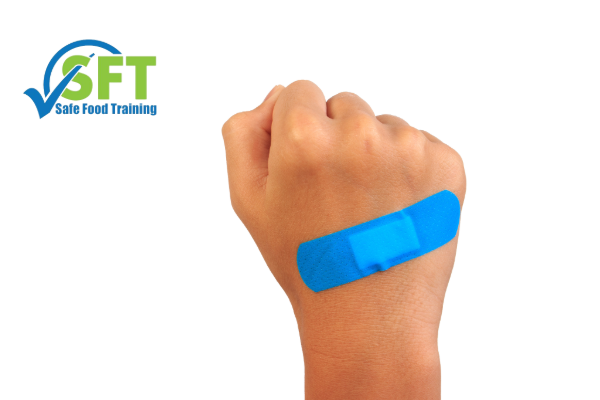
Your staff is your first line of defense, but contamination can also occur if they do not follow strict protocols. A proactive CFPM must enforce rigid standards regarding what employees wear and bring into the prep area.
- Strategy #1: The “No Jewelry” Mandate: It’s not just about aesthetics; it’s about safety. Rings (other than a plain band), earrings, and bracelets can easily fall into food or catch on equipment. Enforce a zero-tolerance policy on jewelry in food-prep areas to eliminate the risk of stones or metal clasps entering a customer’s meal.
- Strategy #2: High-Visibility Bandage Protocols: Cuts happen, but a lost bandage in a salad is a nightmare. Implement a policy requiring brightly colored (typically blue) bandages that are easily spotted if they fall off. Furthermore, protect the bandage with a finger cot or a single-use glove to provide a second layer of protection against contamination in your kitchen.
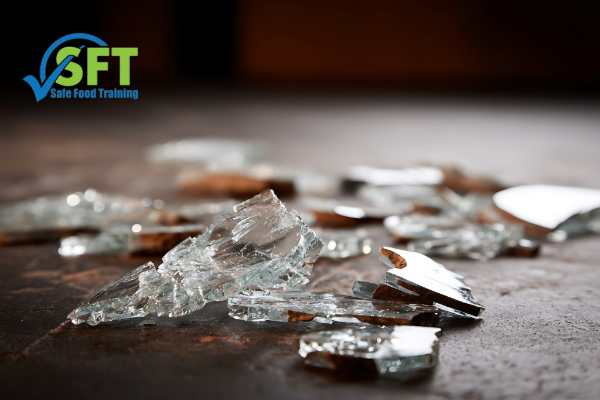
Equipment degradation is a silent threat. As machines age, they can shed materials that are nearly impossible to detect in a finished dish. Routine maintenance is not just for longevity; it is a critical safety control.
- Strategy #3: The Can Opener Crusade: Industrial can openers are a common source of metal shavings in food. Over time, the blade dulls and chips, depositing tiny metal slivers into cans of tomato sauce or fruit. A CFPM should schedule weekly inspections of the blade and replace it immediately at the first sign of wear.
- Strategy #4: Shatter-Proofing the Environment: Glass has no place near open food, yet light bulbs and fixtures are everywhere. Make sure to shield all lighting fixtures or use shatter-resistant bulbs in walk-ins and prep areas. If a glass item breaks, establish a strict “discard everything” perimeter policy to ensure no microscopic shards remain.