Food Safety Advice For Visitors In The Kitchen

Food safety advice for visitors in the kitchen

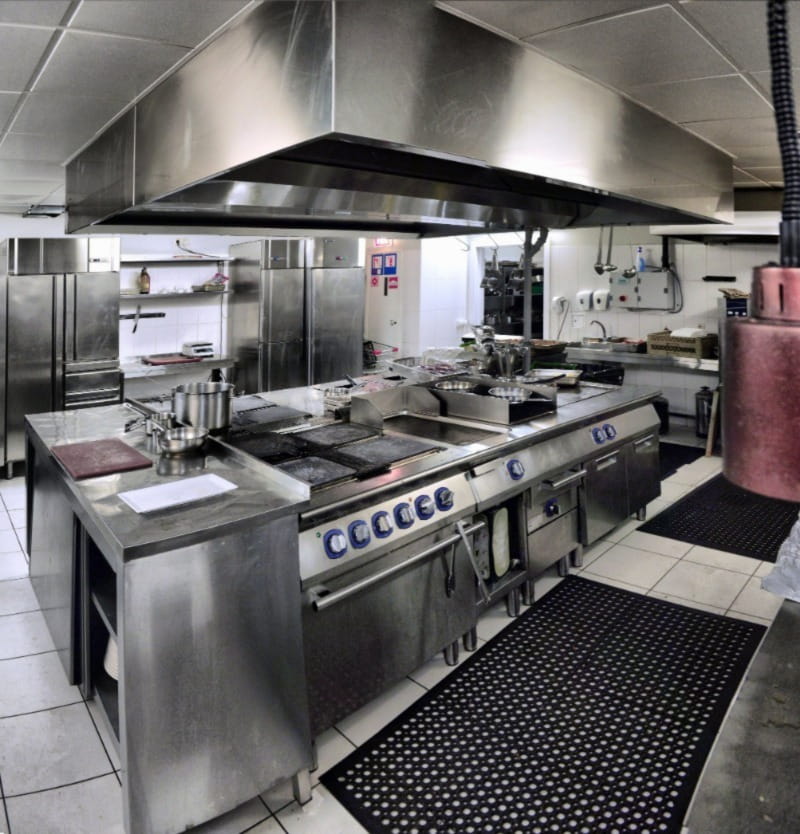
The kitchen of most food businesses can be a busy place, and often you may have vendors, maintenance staff and other non-food service personnel either working or passing through your kitchen. Since these guests are not technically food-service workers, is there any outlined food safety management training necessary for these individuals? Food safety managers are obligated to cover every foodborne illness risk, and this may mean taking the time to assess what steps need to be taken for non-staff kitchen visitors in your establishment.

Food Safety Advice For Visitors In The Kitchen
Image credit: highwaystarz via 123rf

Food Safety Precautions for Visitors in Food Preparation Areas

Before we take the time to discuss precautions, it may be important to outline who should and should not be visiting your kitchen. There are many individuals who have business there, but before we invite grandma and the neighbors to hang out on the line there should be some ground rules.

When considering outside visitors, kitchen managers need to ask staff to respect the boundaries of the kitchen. If visitors don’t have a business-related purpose in food preparation areas, they should be asked to wait in public spaces. It’s not that we’re against friends and family stopping by; it just adds potential safety risks and possible foodborne-illness hazards to have untrained personnel in the kitchen.

Outside individuals who may have business in your establishment may include:

  • Vendor representatives
  • Delivery personnel
  • Maintenance staff
  • Corporate managers

Your vendors and food service suppliers should already have some situational awareness in the kitchen and may know better than to get in the way in a busy environment. However, if they’re handling food that is being inspected, sampled or delivered, it’s best to ensure bare-hand contact rules are followed. The same goes for delivery drivers. Most of these types of kitchen visitors have already been trained in some respects for food safety, but it’s always prudent to keep an eye out for potential contamination risks.

If you have planned maintenance whether it’s hood vent cleaning, equipment repair or any other type of work being done in your kitchen that does not involve food preparation, take steps to ensure that all food product is removed from areas where work is being done. Even if it’s something as simple as having new shelving installed in dry storage, the potential for contamination can be high in these situations.

Finally, larger food businesses, especially those with multiple locations, may have corporate higher-ups stop by. Most of these types may not have had food safety management training but may look to get involved in some food preparation activities during their time in your kitchen. Be prepared to respectfully ask them to not handle food if that is not the nature of their visit.

How do you deal with visitors to your establishment?

Excellent Food Safety Training Tips You Need To Know About Clean Refrigeration

Food Safety Training Tips

You count on your refrigeration units to keep food cold, but neglecting food safety training for maintenance can result in much worse scenarios than malfunctioning equipment. Besides the hazards of food possibly being stored in the danger zone due to a poorly looked after walk-in; dirt, mold, mildew and other contaminants can come in contact with your product even if your cold storage is kept at the proper temperature. Let’s take a close look at some often overlooked aspects of refrigerator maintenance that can lead to foodborne illness risks and we will provide some food safety training tips to make your job easier.

Excellent Food Safety Training Tips You Need To Know About Clean Refrigeration
Image credit: Tracy Hunter via Flickr

Refrigeration Maintenance Tips for Food Safety Training

Most food businesses should already have a cleaning plan in place for the interior racks, walls and floors of their refrigeration units, but there are several aspects of refrigerators that are forgotten, especially in walk-in units. Every so often it’s important to clean and maintain refrigeration:

  • Door seals
  • Condensers
  • Drain lines

Cleaning the seals or gaskets of every refrigerator in your establishment will help keep warm air from outside forcing your equipment to work harder. Rubber seals can also be a breeding ground for mold, especially if your doors are not sealing properly. The condensation from the temperature difference inside and outside of your fridge could accelerate mold and mildew growth which could end up in your food. When you perform your regular interior cleaning, make sure to wipe down and sanitize your door seals and inspect for any damage which could be allowing warm air inside.

Condenser coils tend to collect dust and moisture creating an environment for contaminant growth that could fall into food product. Your food safety training should include a review of cleaning these coils at least once a month to prevent buildup. These coils can sometimes be behind a service panel or on the back of the compressor.

Drain lines are notorious for mold buildup due to the near-constant drip of condensation. Due to the complexity of cleaning these lines, we recommended you seek out a professional technician to service and clean your larger refrigerators once a year.

Have you taken the time recently to check on the cleanliness of your refrigerators? Do you have any additional food safety training tips for others?

Food Safety and the Sizable Dangers of Raw Dairy Products

Food Safety and the Sizable Dangers of Raw Dairy Products

Over the past few years, states such as Iowa, Georgia, Missouri and others have begun crafting legislation to expand the commercial sale of raw milk and raw dairy products. While Minnesota currently only allows the sale of unpasteurized milk to customers who bring their own containers directly to farmers, it’s worth discussing the food safety hazards of using raw dairy products in food preparation should our state consider expanding the availability of raw milk as several other states have done based on consumer demand.

Food Safety and the Sizable Dangers of Raw Dairy Products
Image credit: pxhere photo-1622031

Raw Dairy Products and Food Safety

To be absolutely clear, any milk served in restaurants or used in meal preparation must be pasteurized and obtained from a trusted source. Raw dairy products straight from the farmer do not meet these food safety criteria. The health department does not allow for a variance on raw milk even with a critical control point plan.

Proponents of raw dairy claim that the probiotics and other naturally occurring antimicrobial elements allow for the safe consumption of fresh, raw milk. While raw milk may contain these compounds, it also brings high-risk hazards that cause food safety management issues. Raw milk can contain:

  • Bacteria
  • Salmonella
  • E.coli
  • Listeria

This is just a partial list of pathogens that have been found in unpasteurized milk. Outbreaks from raw milk have caused intestinal illness, miscarriages and even death.

Once processed into cheese, yogurt or other raw dairy product, the danger of foodborne illness is still a threat, so the best course is to avoid unpasteurized milk products altogether.

Have you ever considered the hazards of raw dairy products?

New ServSafe Managers Guide to Seasonal Food Stands

New ServSafe Managers Guide to Seasonal Food Stands

With the warmer weather approaching, many Minnesotans will be getting outside and attending events in the fresh air. Farmer’s markets, carnivals and other events are great opportunities for food businesses to showcase their product with seasonal food stands. Since these stands aren’t located at a restaurant or other indoor facility, there are some special rules that ServSafe managers should be aware of when planning their temporary outdoor eating establishment.

New ServSafe Managers Guide to Seasonal Food Stands
Image credit: duncan c via Flickr

How to Plan a Seasonal Food Stand for ServSafe Managers

In order to have an outdoor eating establishment approved, the operator cannot simply set up shop and begin cooking, regardless of their ServSafe certification status or if their home-base outlet is licensed. A detailed plan must be submitted at least 30 days before operations begin. Your plan must include:

  • Menu
  • Anticipated volume of ingredients and finished product
  • Layout and equipment specifications
  • Details on freshwater supply, waste removal and sanitation procedures

In order to gauge what permits or licenses are needed, your local inspector will need to know what type of food you’ll be serving. Grab-and-go items that are prepackaged or simple heat-and-serve meals have different requirements than freshly prepared food from raw ingredients. Lower volume seasonal stands may also have different licensing issues depending on location, so the anticipated volume can be a big factor during an inspection before opening.

ServSafe food managers also need to be very detailed when it comes to the layout and equipment used in the seasonal food stand. All equipment must still pass the same certifications for restaurant use as in your brick-and-mortar establishments.

The last part of a plan for Servsafe managers to use for a seasonal food stand should outline how water will be supplied and how the equipment will be sanitized. Fresh, clean water is a requirement for handwashing, sanitation, and any cooking procedure that involves water. A simple garden hose run from a nearby building won’t cut it. If you’re not using a portable handwashing and water supply station, make sure to investigate the source to see if it is approved for use in your temporary stand. If you have multi-use utensils, equipment for storage or serving items, a dishwashing plan must be in place. If you do plan on using these types of items, plan on having a triple sink with access to hot water available.

Are you planning on showcasing your food business at seasonal events this summer?