Minnesota Certified Food Protection Manager Training Options

Certified Food Protection Manager

The state of Minnesota requires most businesses that handle food to have a certified food protection manager(CFPM) on staff. There is no one-size-fits all solution, so this week, we’d like to take a look at what types of training options are available to become a MN Certified Food Protection Manager.

Certified Food Protection Manager
Tim Niles Lead Instructor For Safe Food Training

Qualifying Certified Food Protection Manager Training Programs

There are two ways to gain proper certification to become a certified food protection manager. You can take a course led by an instructor where you have the ability to ask questions, and discuss issues with a leading professional in the industry or you can choose an online version of the course.

There are advantages and disadvantages to either choice. Online food safety training offers convenience taking the training when and where you want, but deprives the student of the ability to participate in discussions with fellow food service professionals and ask questions concerning the material. Instructor led courses as well as all certification testing must be taken at the locations and times scheduled, so there is less flexibility in the timing of the training.

There are also a couple programs that you can choose from. You can take a standard certified food protection manager course which meets the requirements of the state of Minnesota and Wisconsin, or if you wish further education on food safety, you may elect to take the nationally and internationally recognized HAACP training. HAACP provides education targeting the identification and management of food safety risks.

Finally, certification must be renewed every three years. Recertification must occur within six months of the expiration date of your current certification. Recertification requires a minimum of four hours of approved continuing education but does not require you to retake the exam. Most CFPMs retake the standard training once again as a refresher. As with the initial certification training, the recertification can be done either on-line or at one of the scheduled instructor led courses.

Do you or any of your staff need food safety certification? At Safe Food Training, we offer instructor led and online food safety certification classes and exams. We can help with HAACP or even design a specialized class to meet the needs of your business.
CFPMs and Self-Service Touchscreens

CFPMs_Touch_screens

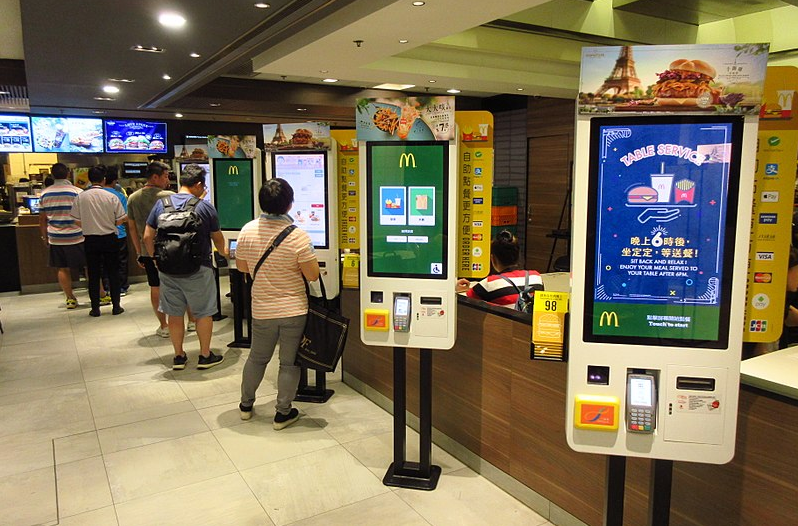
Advances in technology in the restaurant industry offers numerous opportunities for business owners to run their establishment in a more efficient and cost effective manner. Self-service touchscreen kiosks are one of the newest trends for major restaurants, especially fast food chains. A study in the UK, however, shows this new technology is creating major headaches for CFPMs and self-service touchscreens are proving to be a huge contamination risk .

CFPMs and Self-Service Touch Screens
Image credit: Wikimedia- TaiCIWJHai King Tung

CFPMs and Self-Service Touchscreens Contamination Problems

Researchers in Britain tested numerous McDonalds’ self-ordering touchscreens and discovered traces of fecal matter on every single one.

Let’s think about that closely for one second. They didn’t find fecal matter on a few, half or even 90 percent. They found traces of human feces on every single one. The list of specific bacteria found is fairly extensive, but it included the potential for hospital-grade illness from pathogens like Staphylococcus, listeria and Bacillus as well as standard food-borne illness outbreak culprits.

If that isn’t bad enough, the study also looked into the immediate hygiene habits of patrons using the machine. Customers would walk in, get in line and order. There was no sanitizing or washing of hands from the point of entry to the time of order. Many would order, take their seat, wait for their food and begin eating without washing their hands at all. This recipe for disaster should make food safety managers cringe.

With these screens infiltrating the dining rooms and lobbies in many different types of food service establishments, what can we do to keep our customers safe from potential infection?

The key is sanitation. The touch screen must be sanitized at regular intervals. If they’re the table top variety, sanitizing after each guest will remove all traces of bacteria that may have found their way to the surface from previous guests. But, lobby self-ordering systems are much harder to keep an eye on.

In this case, it’s unlikely you can enforce proper hygiene on all of your guests, but you can give them a nudge in the right direction. Attach a sanitizer dispenser to your touchscreen kiosk or have one readily available. We’d recommend having a sanitizer dispenser where the line begins and one at the machine itself. This will promote sanitation before and after ordering. Also, signage directing guests to the nearest washroom will also put the thought into their heads that maybe they should wash their hands before and after ordering.

Do you have touch screens available for your guest to use for ordering convenience?

CFPMs and In-House Grown Herbs

CFPMs and In-House Grown Herbs

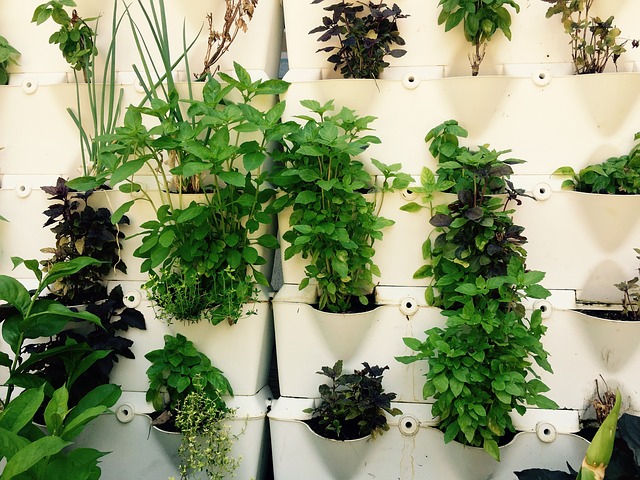
Springtime is here, and with it the fresh aromas and flavors of the new season. Flowers are blooming, and fresh herbs become more readily available. That got us to thinking about CFPMs and In-House Grown Herbs, what’s to prevent them from adding some of that freshness to their menu by growing their own herb gardens in-house?

CFPMs and In-House Grown Herbs
Image credit: Max Pixel

CFPMs and In-House Grown Herbs Use

It should first be noted, that growing herbs at your facility should only really be done on a small scale. Mass production may be outside of the realm of certified food protection managers’ abilities, but growing live plants can help cut down on costs and help you ensure that your ingredients are fresh. Here’s a few things to think about if you’re considering growing your own herbs:

  • Keep herb boxes and gardens away from the production floor
  • Avoid soil additives such as fertilizer, manure and pesticides
  • Always wash picked herbs before using

We’re in no way suggesting you plant a garden in the middle of your kitchen, so an herb garden may not be for every facility. When considering an in-house herb garden, look for locations outside and away from the kitchen. Some restaurants make this a feature for their guests to see, either in front of the restaurant or guest pathways leading to the facility. This implants the idea of fresh ingredients before they’ve even viewed your menu. For some, a garden may not be possible, but smaller box style planters around the facility allow you to grow commonly used ingredients.

Certified food protection managers need to be very aware of contaminates and unnatural pathogens when using freshly grown herbs. For this reason, we’d recommend using pure soil rather than adding any fertilizer or compost. Many gardening supply stores have special mixes that would help grow savory herbs without additives.

Some jurisdictions may have different rules about growing herbs or other produce onsite, so if you need help with local rules, don’t hesitate to contact your local health inspector.

Would you consider growing any type of ingredients at your restaurant or other food production facility, or do you prefer bringing it in from your suppliers?

How CFPMs Manage Questionable Product

CFPMs Manage Questionable Product

In your role as a certified food protection manager, have you ever had a staff member ask, “Does this smell ok to you?” or, “Do you know when this clam chowder was made?” and, “Can we still serve this?” This week, we’ll take a look at how CFPMs manage questionable product and to deal with situations that may increase the risk of sickening your customers.

CFPMs Manage Questionable Product
cooking, profession and people concept – male chef cook with clipboard doing inventory in restaurant kitchen

CFPMs Manage Questionable Product By Assessing Reasons for Spoiling or Low Quality Product

Situations where you or your staff is unsure of the quality, freshness or servability of product should be dealt with in a manner that protects your guests. If product doesn’t smell right, don’t serve it. If you are unsure about the date a product was made, or if it might no longer be good, don’t serve it. Taking a chance on sickening a guest because of questionable product is never worth the risk. So how do we deal with these situations and prevent them from happening?

If these instances are common in your facility, now is the time to take a look at how you deal with your inventory. There are a few questions that need to be asked:

  • Am I dating my product and inventory?
  • Am I making or ordering too much product?
  • Is my refrigerated storage arranged in an orderly manner?

Dating perishable product allows certified food protection managers and their staff know exactly when the ingredients arrived from a supplier or when finished product was made. Taking the time to date your product paints a bigger picture of how long your product sits in storage. If you’re finding that your product is being stored for extended periods of time, consider lowering par levels when you place an order or making smaller batches of your product.

Successful CFPMs manage questionable product with organization. If you’re refrigerator is a mess, then product can get lost, soak up flavors of food that is cooling nearby or risk cross contamination. Disorderly cold storage is a bacterial dream world and a certified food protection manager’s nightmare.

If you do date your product, monitor par levels and have an orderly walk-in refrigerator but are still running into scenarios where freshness comes into question, the certified food protection manager should set up a system to monitor the temperature of your refrigeration units to ensure that food is being kept cold.

Do you have a system to keep your product the freshest it can be?