
Boar’s Head Cheese Recall: Why Traceability is Your Kitchen’s Best Defense

Cheese recall
Deli meat
Have you checked the recall list this week?

The Boar’s Head cheese recall involves specific lots of Pecorino Romano cheese (both grated and in wedges) because of potential contamination with Listeria monocytogenes. Even though there have been no confirmed illnesses, the FDA classified this as a Class I recall because there is a reasonable probability that using the product could cause serious health consequences. If you’re managing a kitchen in Minnesota, you must immediately check your inventory for the affected lot codes and review your traceability procedures.

It’s Not Just the Deli Meat

If you’re like most food managers in Minnesota, you probably remember the massive deli meat recall earlier this year. But this latest alert proves a critical point: contamination can happen anywhere in the supply chain.

This time, it isn’t the liverwurst. It’s the Pecorino Romano.

Cheese recall
Boar’s Head is in the news again!

Specifically, the recall affects:

  • Boar’s Head Grated Pecorino Romano (6 oz jars and foodservice bags)


  • Boar’s Head Pecorino Romano Wedges (7 oz)


  • Note: This recall also affects other brands produced by the same supplier, including Locatelli and Ambriola.

If you’ve got these in your cooler, don’t serve them. Check the UPCs and sell-by dates against the official FDA notice immediately.
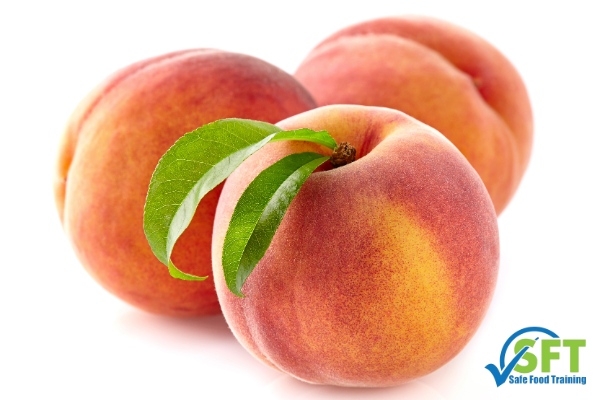
The "Peaches" Connection: Why It Could Be Anything

peaches
Checking recalls is a vital part of keeping your kitchen and patrons safe!

You’re probably thinking, “We don’t use Boar’s Head cheese, so we’re safe.” That’s a dangerous mindset.

Remember the peaches?


In late 2025, Moonlight Companies recalled yellow and white peaches because of Listeria. Back in 2020, a similar situation with Wawona peaches sickened 23 Minnesotans with Salmonella.

The lesson is simple: Whether it’s a processed dairy product like grated cheese or raw agricultural commodities like fresh peaches, the risk is always present. You can’t inspect Listeria out of a cheese wedge with the naked eye—it can survive and grow at temperatures as low as 31.3°F. You can only defend against it with traceability.

Traceability: Your Only Real Defense

When a recall hits, there are two types of kitchens:

  1. The Panic Kitchen: They scramble through the walk-in for 3 to 4 hours, tossing anything that “looks like” the recalled item, wasting hundreds of dollars and potentially missing the actual contaminated batch.

  2. The Proactive Kitchen: They pull up their invoices and receiving logs. Within 5 minutes, they know exactly when the product arrived, which lot it was, and whether it’s still in the building.

Reactive vs. Proactive Safety Procedures

Feature

The Panic Kitchen (Reactive)

The Proactive Kitchen (Safe Food Training)

Response Time

4+ Hours (searching physically)

< 10 Minutes (checking records)

Waste

High (tossing safe product “just in case”)

Low (only tossing affected lots)

Inventory Method

Visual checks only

First-In, First-Out (FIFO) & Lot Logging

Confidence

“I think we got it all.”

“I know we’re safe.”

3 Steps to Take Today

If you haven’t updated your receiving procedures lately, do it now.

  1. Log Your Lots: When high-risk items (deli meats, soft cheeses, leafy greens) arrive, write the Lot ID on your receiving log.

  2. Keep Invoices Accessible: Don’t just bury them in the office. If a recall alert drops during the dinner rush, your chef needs to see those dates immediately.

  3. Train Your Team: Does your prep cook know what a “Julian Date” is? If not, it’s time for a refresher.

Building Trust Beyond Compliance

We know how hard you work to put great food on the table. Recalls are frustrating because they feel out of your control, but how you handle them is 100% in your control. When you can look a health inspector—or a customer—in the eye and say, “We checked our lots, and we’re clear,” that isn’t just following the rules. That’s building trust. And in Minnesota, trust is everything.

Frequently Asked Questions

Recalls can be confusing, and it is natural to have questions about how they impact your certification and daily operations. Here are answers to some of the most common questions we hear from Minnesota food professionals.


Traceability
Traceability is vital in any recall.

Q: Will this course fulfill Minnesota's food license requirements?

A: Absolutely. Our 8-hour food licensing course specifically aligns with and meets Minnesota’s official food safety standards, including handling recalls and traceability.

Q: How often must I complete continuing education to maintain my food safety certification in Minnesota?

A: In Minnesota, you must renew your certified food protection manager license by completing continuing education every 3 years. Staying current helps you stay on top of new risks like these.

Q: How does Safe Food Training support clients beyond the initial course?

A: We’re committed to building and maintaining relationships. We provide ongoing support through renewal reminders and as a reliable resource during confusing recalls like this.

Q: What's the primary service that Safe Food Training offers?

A: We specialize in providing personalized, 8-hour certified food protection manager licensing courses tailored for food professionals across Minnesota. We teach you the systems to handle recalls effectively.

Q: Why is staying current with food safety standards so important?

A: Upholding Minnesota’s food safety standards is critical for protecting public health. As these recalls show, ensuring your business remains compliant is the only way to protect your reputation.

Secure Your Kitchen Today

Don’t leave your kitchen’s safety to chance.


Register for an upcoming course at https://www.safefoodtraining.com, complete your food safety certification, and learn how to build a defense system that works.

Food Safe Training: A Guide for School Cafeteria Workers

Food Safety Training

Food Safe Training: A Guide for School Cafeteria Workers

Effective safe food training is the most important step for protecting student wellness. As a certified food protection manager on the front lines, your role is more critical than ever, with many schools now offering breakfast, lunch, and after-school meals. A focused review of food safety is the best way to prepare for a healthy and successful school year.

Your Back-to-School Safe Food Training Checklist

Before the school year kicks into high gear, it’s the perfect time for a thorough review of your facilities and procedures. A simple checklist helps you avoid overlooking details.

1. Start with a Comprehensive Deep Clean

A clean kitchen is a safe kitchen. After a quieter summer, certified food protection managers must oversee a thorough sanitation of all food service areas before the first food delivery arrives. This provides easier access to storage and hard-to-reach places. Pay special attention to these hidden breeding grounds for bacteria:


      • Floor Drains: Moisture and food particles can accumulate in drains, creating an ideal environment for pathogens like Listeria. Use an approved drain sanitizer regularly.

      • Behind and Under Equipment: Daily cleaning often misses the areas behind ice machines, ovens, and counters. To thoroughly clean and sanitize floors and walls, pull equipment away from the walls.

      • Dry Storage Areas: Shelving for dishes and food products can collect dust and debris. Wipe down all shelving and storage containers to prevent contaminants from falling onto clean dishes or into food.

    2. Review Critical Food Handling Procedures

    Serving hundreds of students safely requires constant vigilance. A pre-service team meeting is the perfect setting to reinforce these core food safety principles that all school cafeteria workers must master.


        • Master Temperature Control: The temperature “danger zone” (between 41°F and 135°F) is where bacteria multiply at the fastest rate. Hot foods must be held at or above 135°F, and cold foods must be kept at or below 41°F. Remind staff to check holding temperatures using a calibrated thermometer frequently. When reheating food, ensure it passes through the danger zone as quickly as possible to prevent bacterial growth.

        • Prevent Cross-Contamination: Use separate cutting boards, utensils, and gloves for raw meats and ready-to-eat foods, such as fresh fruits and vegetables. This simple but critical step prevents the transfer of harmful bacteria from one food item to another.

        • Uphold No-Bare-Hand Contact: This is a non-negotiable rule in the food service industry. All ready-to-eat foods must be handled with single-use gloves, tongs, scoops, or deli tissue. Ensure these utensils are clean, in good condition, and are readily available at all workstations.

      3. Reinforce Staff Hygiene and Wellness Policies

      Healthy people staff the healthiest kitchens. Food safety extends to personal practices, so it’s crucial to review your team’s role in preventing the spread of illness.


          • Champion Proper Handwashing: Gloves are not a substitute for clean hands. Review the proper handwashing technique—using soap and warm water for at least 20 seconds—before starting work, after handling raw meat, after using the restroom, and before putting on new gloves.

          • Enforce an Employee Health Policy: Staff must understand the importance of reporting symptoms, such as vomiting, diarrhea, or fever, to a manager. Establish a clear policy that outlines when an employee must stay home from work to prevent the potential spread of an outbreak.

          • Maintain Professional Appearance: Clean uniforms, properly restrained hair, and minimal jewelry are not just about looks—they are vital for preventing physical contaminants from ending up in food.

        Are You and Your Team Certified and Ready?

        These procedures are central to any professional food safety program. Whether you’re a certified food protection manager or a key part of the cafeteria staff, ensuring that you and every team member hold a valid food safety certification protects your students, your colleagues, and the school’s reputation.

        If you or your employees need certification, contact us to learn about our instructor-led safe food training options in Minnesota. We can get you and your team certified and ready to serve safely.

        Don’t Let Foodborne Illness Be the Main Event: A Guide to 4th of July Food Truck Safety

        A food truck-follow our food truck safety, so you don't let foodborne illness rain on your parade.

        Don’t let foodborne illness be the main event this Fourth of July! For any food truck owner, this is one of the most profitable days. However, with massive crowds and soaring temperatures comes a significant responsibility to keep your customers safe. As a certified food protection manager and trusted mobile food vendor in Minnesota, your success on this hectic holiday hinges on one critical element: impeccable food truck safety. 

        The combination of high volume, summer heat, and the fast-paced environment creates the perfect storm for foodborne pathogens to thrive. This is where your professional training comes into play. Prioritizing the rules of food truck temperature control in hot weather and MN food safety isn’t just about compliance; instead, it’s about protecting your customers, staff, and reputation. Let’s break down the three key areas you must master to ensure your 4th of July is both successful and safe.

        Mastering Temperature in Extreme Heat

         foodborne illness at a food truck.
        Follow these food truck safety tips to prevent foodborne illness and have a fun and safe event this 4th of July!

        The single greatest threat to your food on a hot summer day is the temperature “danger zone.” The Minnesota Food Code clearly states: hold cold foods at or below 41°F, and keep hot foods at or above 135°F. When food sits between these two temperatures, bacteria like Salmonella and E. coli can double in number in as little as 20 minutes. Your truck’s refrigeration units have to work overtime on a hot July day, making constant vigilance essential.

        • Calibrate and monitor: Before you leave, ensure that you or your certified food protection manager calibrates and inspects all refrigerators, freezers, and hot-holding units. Place thermometers in the warmest part of each cold unit and check temperatures at least every two hours.
        • Limit Door Openings: Every time you open a cooler door, cold air escapes and warm air rushes in, forcing the unit to work harder. Organize your coolers so you can grab what you need quickly without leaving the door open for extended periods.
        • Use Ice Strategically: Pack beverage tubs or temporary coolers with enough ice to keep items fully submerged and at a temperature below 41°F. Keep in mind that ice melts quickly in direct sunlight.

        Winning the War on Cross-Contamination

        Eliminate Reduce foodborne illness with handwashing!
        Eliminate foodborne illness with handwashing!

        The tight quarters of a food truck make preventing cross-contamination both more challenging and more important. During a high-volume rush, it’s easy for standards to slip. As the certified food protection manager, you must enforce strict protocols to prevent the transfer of harmful bacteria from raw foods to ready-to-eat items.

        • Impeccable Handwashing: This is your first line of defense. Ensure your handwashing station is always stocked with soap, paper towels, and warm running water. Staff must wash their hands after handling raw meat, using the restroom, touching their face, or handling money.
        • Dedicated Surfaces and Utensils: Use color-coded cutting boards and separate utensils for raw meats, poultry, and produce to ensure food safety. In a small space, this visual cue system is invaluable for preventing dangerous mix-ups.
        • Proper Glove Use: Gloves can provide a false sense of security. Train your staff to change gloves between tasks, especially after handling raw proteins or any time they become torn or contaminated.

        Protecting Your Team from Heat Exhaustion

        Reduce foodborne Illness by keeping your employees healthy!
        Foodborne Illness

        A key component of food truck temperature control in hot weather and MN food safety is ensuring your staff is safe. A food truck in July is essentially a metal box sitting in the sun. Dehydration or heat exhaustion puts your team’s health at risk and compromises their ability to follow critical food safety procedures.

        • Mandate Hydration Breaks: The heat inside a truck can be intense. Require your team to take frequent, short breaks in a shaded area and drink water every 15-20 minutes, even if they don’t feel thirsty.
        • Recognize the Symptoms: Train your staff to recognize the signs of heat exhaustion in themselves and their coworkers. These include dizziness, heavy sweating, nausea, headache, and weakness.
        • Provide Cooling Measures: If possible, have a fan directed at the work area and provide cooling towels for your staff. A healthy, alert team is a team that can handle food safely.

        By focusing on these critical areas, you can ensure that the only fireworks on the 4th of July are the ones in the sky.

        Your commitment to the highest standards of food safety protects everyone. If you or your team needs to renew your credentials or get certified, Safe Food Training offers expert, instructor-led options tailored for the certified food protection manager in Minnesota. Book your continuing education or initial certification training today!

        Urgent Warning: The Hidden Danger of Campylobacter That Could Devastate Your Business!

        Campylobacter is one of the most prevalent bacterial causes of foodborne illness globally, making it a critical concern for food safety management systems. Understanding this pathogen’s characteristics, transmission routes, and control measures is essential for protecting consumers and maintaining regulatory compliance as a food safety manager.

        Microbiological Profile of Campylobacter

        The Hidden Danger of Campylobacter That Could Devastate Your Business!
        Image credit: tiverylucky via 123rf

        Campylobacter is a gram-negative, microaerophilic bacteria with multiple species, though Campylobacter jejuni causes approximately 90% of human campylobacteriosis cases. This pathogen thrives in reduced oxygen environments and has specific growth parameters:

        • Optimal growth temperature: 41-42°C (105-107°F)
        • Growth range: 30-45°C (86-113°F)
        • Cannot multiply below 30°C but remains viable in refrigeration
        • Sensitive to standard cooking temperatures (destroyed at 165°F/74°C)
        • Cannot tolerate drying or freezing well, but survives in water and humid environments

        Transmission and High-Risk Foods

        Campylobacter’s primary reservoir is the intestinal tract of animals, particularly poultry. For food operations, critical transmission vectors include:

        • Raw and undercooked poultry (particularly chicken)
        • Cross-contamination from raw poultry to ready-to-eat foods
        • Unpasteurized milk and dairy products
        • Contaminated water sources
        • Inadequately cleaned food contact surfaces

        Illness Characteristics from Campylobacter

        Campylobacteriosis typically manifests 2-5 days after exposure with symptoms including diarrhea (often bloody), abdominal pain, fever, and vomiting. While most cases resolve within a week without treatment, immunocompromised individuals may experience severe illness or complications including Guillain-Barré syndrome in rare cases.

        Critical Control Measures

        Effective Campylobacter control requires:

        1. Temperature management: Ensure thorough cooking of poultry to at least 165°F (74°C)
        2. Cross-contamination prevention: Implement strict segregation procedures between raw poultry and ready-to-eat foods, including dedicated equipment and work areas
        3. Supplier verification: Establish specifications for incoming poultry products and supplier interventions
        4. Environmental monitoring: Focus on potential harborage sites, particularly in areas where raw poultry is handled
        5. Handwashing protocols: Emphasize hand hygiene after handling raw poultry products
        6. Sanitation validation: Verify sanitizer efficacy against Campylobacter in your cleaning protocols

        Implementation in Food Safety Systems

        Within your HACCP or food safety plan, Campylobacter control should be addressed through:

        • Specific critical control points for cooking temperatures
        • Prerequisite programs addressing cross-contamination
        • Employee training on the unique risks of this pathogen
        • Verification activities including environmental monitoring

        By implementing these targeted controls, food safety managers can significantly reduce Campylobacter risks while maintaining operational efficiency in their establishments.