Foodborne Illness Cases Are Spiking: What MN Managers Need to Know

person throwing up

In the pa

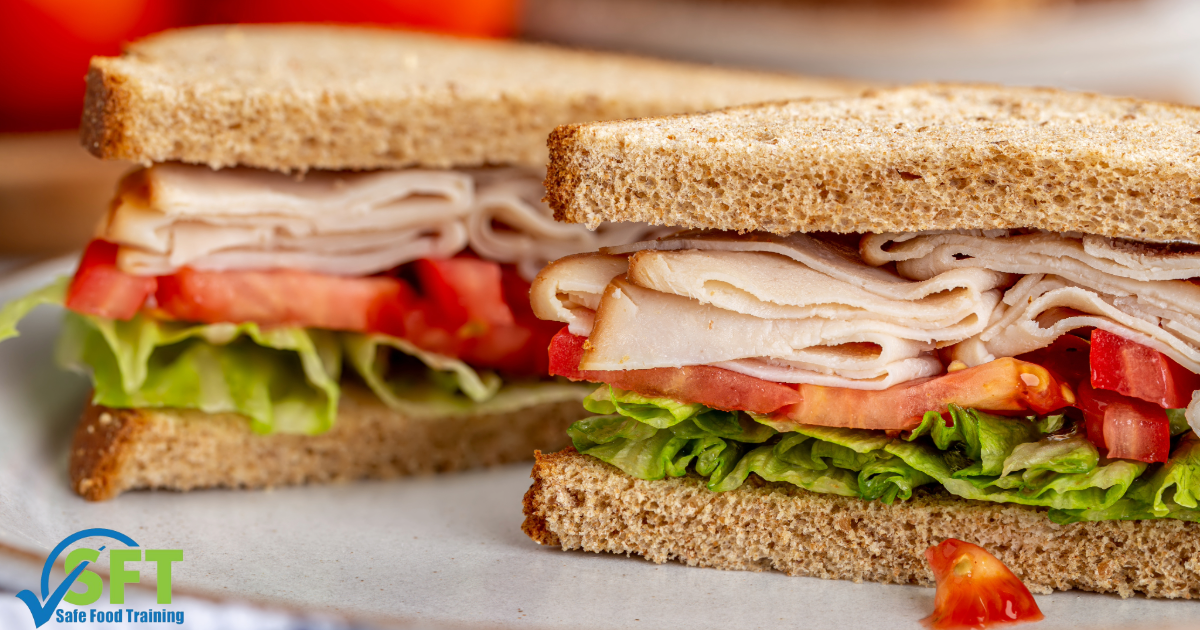
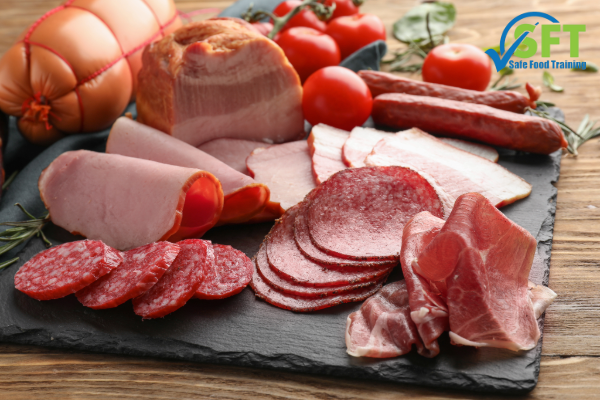
deli meat foodborne illness
Are you updated on all recalls?

The Bottom Line 

Recent data show a 25% increase in foodborne illness cases across the U.S., driven largely by high-profile outbreaks involving Listeria and Salmonella. For Minnesota food managers, this surge underscores a critical reality: trust in the supply chain is not enough. Rigorous internal protocols, specifically temperature control and supplier verification, are your kitchen’s only true defense against contaminated product.

The Surge: Recent Outbreaks You Can't Ignore

In the past year, we have witnessed a troubling rise in large-scale recalls. These aren’t just minor isolated incidents; they are systemic failures affecting millions of pounds of product.

Three Major Cases Every Manager Should Know:

person throwing up
Know the recalls and help prevent illness.


  • Boar’s Head (Listeria): After a liverwurst sample tested positive for Listeria, authorities triggered a massive recall of over 7 million pounds of deli meats and poultry. This outbreak led to hospitalizations across multiple states, underscoring that even “ready-to-eat” foods pose a significant risk.

  • Lyons ReadyCare (Listeria): Frozen supplemental shakes served in healthcare settings were linked to 12 deaths and 38 infections. This tragedy emphasizes the vulnerability of high-risk populations (like nursing home residents) to foodborne pathogens.

  • Raw Farm LLC (Salmonella): An ongoing outbreak linked to raw milk products has sickened at least 165 individuals since 2023. This case serves as a stark reminder of the dangers inherent in unpasteurized dairy.

By the Numbers: Why Risk Is Rising

The statistics are alarming. In 2024 alone, reported foodborne illnesses jumped by 25% compared to the previous year.

man in hospital
Prevent foodborne illnesses by keeping a close eye on recalls!
  • Illnesses: 1,392 reported cases.

  • Hospitalizations: More than doubled (rising from 230 to 487).

  • Deaths: Increased from 8 to 19.

Why is this happening?


Experts point to a mix of infrastructural issues, regulatory gaps, and staffing shortages in inspection agencies. In short, the safety net is strained, meaning the last check often falls on you, the kitchen manager.

Manager Takeaway: The "Jeff Factor"

In my years of teaching, I have seen recalls come and go, but the numbers we are seeing now are different. When the supply chain falters, your kitchen protocols must be airtight.

Here is what you need to do tomorrow:

FDA
The FDA and USDA list recalls on their websites.


  1. Check Your Recalls: Don’t wait for a letter. actively check the FDA/USDA recall lists weekly.

  2. Verify Suppliers: If you are sourcing specialty products (like raw milk or local meats), ensure they have rigorous testing in place.

  3. Refresher Training: Remind staff that “pre-cooked” or “deli” doesn’t mean “risk-free.” Cross-contamination at the slicer can turn a single contaminated loaf into a widespread outbreak.
Frequently Asked Questions (FAQ)

Common questions I get include:

How can I stay updated on food recalls in Minnesota?

The most reliable sources are the FDA Recall List and the Minnesota Department of Health website. We also include major alerts in our Safe Food Training newsletters.

Does washing deli meat kill Listeria?

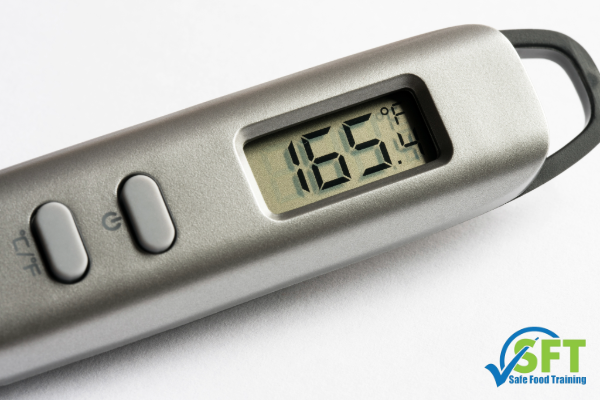
165 thermometer temp
Know the temperature that kills pathogens and bacteria.

No, you can only kill Listeria by cooking it to 165°F. Washing meat creates a cross-contamination risk by splashing bacteria onto sinks and countertops.

Why are illnesses increasing even with more regulations?

Regulations exist, but there are not enough enforcement resources. Additionally, our food supply chain is more complex than ever, meaning a single contamination event at a large facility (like Boar’s Head) can instantly affect distribution nationwide.

Why Trust Safe Food Training?

Building on a 20-Year Legacy of Food Safety Excellence.

Safe Food Training has been a cornerstone of Minnesota’s food safety community for over two decades. While ownership transitioned to Jeff Webster in 2025, our mission remains unchanged: to provide the highest standard of education to the state’s food professionals.

  • Proven Track Record: We have helped thousands of managers earn their certifications.

  • Local Focus: We understand Minnesota-specific codes and challenges.

  • Flexible Learning: From the Twin Cities to Duluth, Alexandria, and Brainerd, we bring the classroom to you.

Need to renew your certification?


View our upcoming course schedule!

Shocking Truth: Is Your Food Really Safe from COVID-19 Contamination?

As food safety managers, you play a critical role in both implementing proper safety protocols and communicating accurate information to staff and consumers. A common question since the emergence of COVID-19 has been whether the virus can be transmitted through food consumption. Let’s address this concern with current scientific evidence about COVID-19 contamination in food.

COVID-19 Contamination and Food: The Current Evidence

COVID-19 Contamination

According to the CDC, FDA, WHO, and other leading health authorities, there is no evidence that COVID-19 can be transmitted through food consumption. SARS-CoV-2, the virus that causes COVID-19, primarily spreads through:

  • Respiratory droplets when infected individuals cough, sneeze, or talk
  • Close person-to-person contact
  • Contact with contaminated surfaces followed by touching the eyes, nose, or mouth

Unlike foodborne pathogens such as Listeria or E. coli, SARS-CoV-2 is a respiratory virus that requires host cells in the respiratory system to replicate. Even if the virus were present on food, it would need to survive:

  • The acidic environment of the stomach
  • Digestive enzymes throughout the gastrointestinal tract

Both conditions significantly reduce viral viability, making food consumption an extremely unlikely transmission route.

Food Packaging Considerations for COVID-19 Contamination

While the virus may potentially survive on packaging surfaces for short periods, the risk of transmission via food packaging is considered very low. Standard food safety cleaning and sanitizing procedures effectively eliminate the virus from surfaces.

Focus Areas for Food Safety Managers

Rather than concerning yourself with the unlikely transmission through food itself, focus on:

  1. Worker Health Screening: Implement consistent protocols to ensure food handlers with COVID-19 symptoms or exposure are excluded from the workplace
  2. Respiratory Hygiene: Ensure proper mask wearing according to current local guidelines
  3. Enhanced Handwashing: Reinforce the importance of thorough and frequent handwashing
  4. Surface Sanitization: Maintain rigorous cleaning schedules for high-touch surfaces in your facility
  5. Social Distancing: Configure workstations to maximize distance between employees where possible

Communication Approach

When addressing staff or customer concerns:

  • Provide clear, science-based information
  • Emphasize that standard food safety protocols remain effective
  • Highlight the additional measures your facility has implemented
  • Direct them to credible sources like the FDA or CDC for further information

By focusing on these established risk mitigation strategies, food safety managers can effectively protect both staff and consumers while maintaining confidence in the safety of the food supply chain.

Boar’s Head Listeria Crisis: Urgent Recall, Lawsuit Surge, and Factory Shutdown

Boar’s Head Listeria
Boar’s Head Listeria-what you need to know.

The role of a Certified Food Protection Manager is to stand as the first and most critical line of defense for public health. The 2024 Boar’s Head listeria crisis brought this responsibility into sharp focus. This event, linked to Boar’s Head products, isn’t just news—it’s a powerful case study for any food professional in Minnesota. The outbreak, which began in mid-2024, ultimately resulted in 61 illnesses and 10 tragic fatalities. Officials traced all of these back to a single production facility.

This incident highlights the serious real-world consequences of sanitation failures and the absolute necessity of stringent food safety protocols. Let’s break down the key lessons from this event for every food manager.

1. The Outbreak: A Failure at the Source

The timeline of the crisis shows how quickly a localized problem can become a national tragedy. Health officials identified a cluster of listeria cases and, through investigation, traced the outbreak to its source: the Boar’s Head facility in Jarratt, Virginia. Officials determined the cause was inadequate sanitation practices that allowed Listeria to contaminate the processing environment.

This single-point failure is a powerful reminder for any manager in Minnesota.

  • Pathogens are persistent: Listeria is a uniquely stubborn bacterium. It can thrive and grow in cold, wet environments—like a production plant or your own walk-in cooler. This is why active cleaning and sanitation, not just passive storage, are critical.

  • Traceability is non-negotiable: The ability of health officials to trace 61 separate illnesses back to a single plant underscores its importance. This same principle applies to your operation: you must be able to track your products from receiving to serving.

You cannot see the threat: Listeria does not change the appearance, smell, or taste of food. This is why we, as food professionals, must rely on our systems and training, not our senses, to protect our customers.

2. The Response: Containment and Legal Fallout

In response to the outbreak, Boar’s Head initiated a massive recall of over 7 million pounds of deli meats, including liverwurst, ham, salami, and bologna. The Jarratt plant was permanently closed, and the company announced it would stop producing liverwurst entirely.

Severe legal and financial consequences followed this immediate corporate response.

  • Legal accountability: The fallout included numerous lawsuits from affected consumers and the families of victims. Someone filed a $20 million wrongful death lawsuit, and class-action lawsuits are still ongoing.

  • The financial cost: The cost of a 7-million-pound recall, the permanent closure of a production plant, and the ongoing legal battles represents a devastating financial blow. It proves that investing in food safety is always cheaper than paying for a food safety failure.

3. The Boar's Head Listeria Lesson: What Every CFPM Must Know

For food protection managers, the most alarming detail from this crisis is that the USDA’s investigation revealed prior health violations at the Jarratt plant. This outbreak was preventable, which is why this incident serves as a critical reminder of our professional responsibility.

This is where the role of a Certified Food Protection Manager becomes a legal and financial shield.

  • Documentation is your defense: Those prior violations highlight the importance of our daily logs. Your temperature, sanitation, and receiving logs are not just “paperwork.” They are your legal, documented proof that you are practicing due diligence and actively preventing foodborne illness.

  • Your team is your responsibility: You must train your team to be your eyes and ears. They must understand why they are following procedures—from handwashing to checking receiving temperatures—and be empowered to speak up if they see a protocol being missed.

  • You are the last line of defense: You’re the final checkpoint in the food supply chain. You place trust in your suppliers, but you must also verify their work. A manager with a strong food safety culture is the best defense against this kind of crisis.

This Boar’s Head listeria crisis is a stark reminder of the immense responsibility we hold. Rigorous food safety practices are not optional. As a Certified Food Protection Manager, you are the leader who upholds these standards, protects public health, and fosters consumer confidence in our food supply.

Stay Prepared with Safe Food Training

Boar’s Head Listeria
Boar’s Head Listeria outbreak-how to stay safe!

Don’t wait for a crisis to test your team’s knowledge. Whether you need your initial 8-hour food licensing certification or your three-year continuing education, our friendly, personalized, and effective training is tailored for Minnesota food professionals. Visit us at safefoodtraining.com to register for an upcoming course.

How Cold Plasma Technology Will Impact Future Food Safety

future food safety

Our food safety training sessions in Minnesota focus on preventing foodborne illnesses caused by harmful bacteria. Wash fruits and vegetables thoroughly, handle animal proteins carefully, and follow cooking temperature guidelines for food safety. Even with these precautions, people are becoming more concerned about future food safety because of news reports about outbreaks from contaminated food.

Future food Safety
Image credit: Prosigma via 123rf

How Future Technology May Change Food Safety

Major food processors are taking extra steps to prevent bacteria like Listeria from contaminating their products to ensure future food safety. They do this by adding chemical compounds that can slow or kill the growth of harmful bacteria. While the FDA has approved these additives, recent research suggests they may carry health risks. If you look at the ingredients in most pre-packaged foods, you’ll often find many chemical compounds with long, hard-to-pronounce names.

We know this topic is a bit outside our food safety certification focus, but we sometimes highlight emerging technologies for food preservation. Cold plasma is a novel food processing technology that inactivates harmful bacteria, viruses, parasites, and fungi. High-voltage electricity used to ionize air or specific gas blends generates ions, free electrons, ozone, and other reactive products. This process, effective at room temperature, has been tested on various foods, including fruits, vegetables, meats, cheeses, and nuts.

Cold plasma effectively kills germs like Salmonella, E. coli, Listeria monocytogenes, norovirus, and Cryptosporidium, as well as other harmful pathogens found in food. Many studies have examined how it works on different foods, surfaces that touch food, packaging materials, and other areas important for food safety.

The relevant regulatory authorities must comprehensively review all new food processing technologies, including cold plasma. This must be done for each commodity across various national and international jurisdictions. Regulators in the US are currently examining research developments related to cold plasma. However, they have not yet approved its use as a food safety process.

Additives have been a hot-button issue for some time and we will continue to look for future food safety innovations that may improve how our food is produced. Feel free to leave your thoughts on this issue in the comment section below.