Food Safety and the Sizable Dangers of Raw Dairy Products

Food Safety and the Sizable Dangers of Raw Dairy Products

Over the past few years, states such as Iowa, Georgia, Missouri and others have begun crafting legislation to expand the commercial sale of raw milk and raw dairy products. While Minnesota currently only allows the sale of unpasteurized milk to customers who bring their own containers directly to farmers, it’s worth discussing the food safety hazards of using raw dairy products in food preparation should our state consider expanding the availability of raw milk as several other states have done based on consumer demand.

Food Safety and the Sizable Dangers of Raw Dairy Products
Image credit: pxhere photo-1622031

Raw Dairy Products and Food Safety

To be absolutely clear, any milk served in restaurants or used in meal preparation must be pasteurized and obtained from a trusted source. Raw dairy products straight from the farmer do not meet these food safety criteria. The health department does not allow for a variance on raw milk even with a critical control point plan.

Proponents of raw dairy claim that the probiotics and other naturally occurring antimicrobial elements allow for the safe consumption of fresh, raw milk. While raw milk may contain these compounds, it also brings high-risk hazards that cause food safety management issues. Raw milk can contain:

  • Bacteria
  • Salmonella
  • E.coli
  • Listeria

This is just a partial list of pathogens that have been found in unpasteurized milk. Outbreaks from raw milk have caused intestinal illness, miscarriages and even death.

Once processed into cheese, yogurt or other raw dairy product, the danger of foodborne illness is still a threat, so the best course is to avoid unpasteurized milk products altogether.

Have you ever considered the hazards of raw dairy products?

How To Guide For CFPMs Dealing With Foodborne Illness Complaints

How To Guide For CFPMs Dealing With Foodborne Illness Complaints

Certified food protection managers (CFPMs) go to great lengths to keep the food they serve safe, but from time to time a customer may experience symptoms of a foodborne illness after eating in your establishment. While you don’t expect to hear a customer complain about being sick from consuming your product, you should still be prepared in the event they contact you to complain of symptoms. CFPMs with a plan to deal with foodborne illnesses can help deescalate a situation with an upset customer and can go a long way towards resolving a food safety issue you may be unaware of.

How To Guide For CFPMs Dealing With Foodborne Illness Complaints
Image credit: bignai via 123rf

Certified Food Protection Manager Tips for Resolving Food Poisoning Complaints

There’s a right way and a wrong way for certified food managers to take phone calls concerning a possible food poisoning case. You should never start by assuming that the guest may have been sickened at home or at another restaurant. Taking the strategy that they may be at fault will instantly put them on the defensive. It’s also important not to be apathetic towards the situation, but rather act in a professional manner. When a guest complains of foodborne illness, the certified food protection manager should:

  • Be sympathetic
  • Gather as many details on their dining experience as possible
  • Assess the time frame between their patronage and symptoms
  • Offer to look into the situation
  • Promise to follow up with them if requested

CFPMs being concerned for your guests will show that you care about the safety of your food. We’re not talking about admitting fault without investigating, we’re simply talking about being sympathetic to the situation.

Details will be important, and they’ll also show that you’re taking the situation seriously. Make sure you find out when they dined in your establishment, what they ordered and how long afterward they experienced symptoms. It might also be a good idea to ask if anyone else in their party ordered the same menu items and if they experienced any symptoms. The timing and symptoms will be an important detail to note as it could pinpoint the type of pathogen that may have affected them.

After taking down this information, take the time to assess the possibility that this illness could have come from your restaurant. As a certified food protection manager, you should review food handling procedures for the product in question. If you find questionable practices or a gap in food safety training, you should address them as soon as possible.

Finally, certified food protection managers should follow up with your guest if they request it. If they’ve seen a doctor for symptoms and the diagnosis is a foodborne illness, address whether it is plausible the source was your facility. If you receive multiple complaints, you need to work with your local health department to resolve the issue.

As a CFPM how do you deal with foodborne illness reports?

How to Food Safety Training for Pathogen Free Marinades

How to Food Safety Training for Pathogen Free Marinades

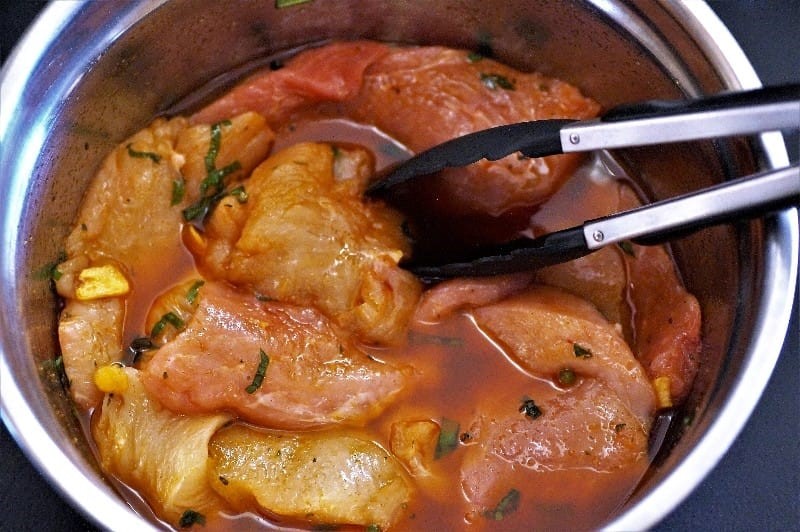
Marinades infuse meats, poultry and even vegetables with great flavors, but if you’re not careful they may also infuse your food with pathogens, bacteria and other contaminants that could sicken guests. As the saying goes, so it’s important to make sure that your extra flavor doesn’t come with a dose of illness. Let’s explore food safety training for pathogen-free marinades.

How to Food Safety Training for Pathogen Free Marinades
Image credit: pxfuel

Food Safety Training to Prevent Tainted Marinades from Causing Foodborne Illness

There are three major concerns when it comes to food safety training for bacteria-free marinades:

  • Cross-contamination
  • Spoiled Fresh Ingredients
  • Temperature Control

If you’re using the same marinade for multiple purposes, you run the risk of mixing two ingredients that may be required to be cooked to different temperatures. You’ll inevitably contaminate some ingredients if you mix multiple items in the same container. Meats and vegetables cook at different temperatures, and poultry requires a much higher final cooking temperature than most other raw foods. To avoid any type of cross-contamination, use a separate container to marinate different ingredients. It’s also a good food safety procedure to throw out marinades used for raw ingredients and start over each time you marinade new ingredients regardless of type.

If you make your own marinades in-house and make more than you need for any given day, make sure you take note of the shelf life of any fresh ingredients involved. Fresh ingredients spoil over time naturally and adding them to liquids can accelerate the process. Use proper labeling techniques to date all marinades and have a defined expiration date on all marinades and marinated product.

Temperature control can also sometimes be an issue with large batches of marinades. When soaking raw proteins, make sure that all ingredients are out of the danger zone, and don’t soak any protein at room temperature.

Finally, if you utilize dry rubs or marinades, you should still follow the same food safety procedures as wet marinades.

What’s the favorite marinade you use in your restaurant?

A Lesson in Norovirus Control for Certified Food Protection Managers

Staying Home when Sick

The norovirus made the news in a big way in the month of September thanks to a massive outbreak at Georgetown University. While the investigation into the outbreak has yet to locate the initial source, norovirus outbreaks often begin in food service, so certified food protection managers take notice that this outbreak has sickened nearly 150 people and take precautions to prevent a similar incident from happening at their food business or facility.

A Lesson in Norovirus Control for Certified Food Protection Managers
Image credit:: belchonock via 123rf

Certified Food Protection Managers And Norovirus Defense in High-Volume Facilities

Many norovirus cases fall under the radar when only a few individuals are sickened, but the case at Georgetown University shows what can happen in when the pathogen infects a large population. Officially, there is no link to food service in this Norovirus case, but certified food protection managers at university cafeterias, local school, hospitals and other facilities that serve a large amount of people every day have a great impact on preventing an outbreak such as this from even getting started. By taking a few simple precautions norovirus outbreaks can be stopped before they even begin by:

These three very easy steps will greatly reduce the risk of spreading the norovirus whether you serve thousands of guests a day or under 10. In fact, these three tools not only prevent the spread of the norovirus, but can help stop many other common illness that begin in food service from spreading.

Have you taken the time to review these basic food safety techniques with your staff to reduce the chances of spreading the norovirus?