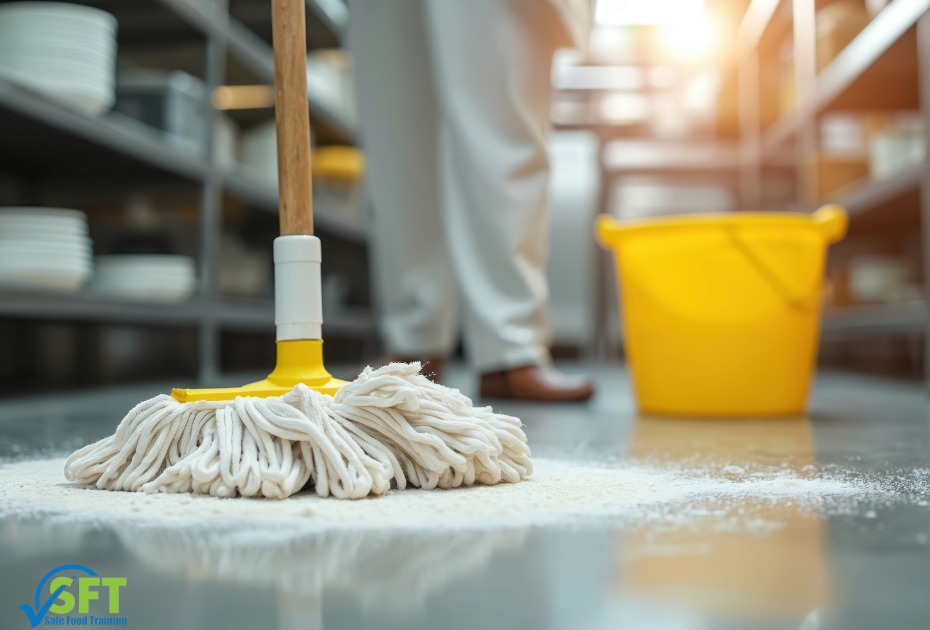
To prevent slips and falls, a Certified Food Protection Manager (CFPM) ensures everyone wears non-slip shoes and uses rubber floor mats with holes to prevent water from pooling. They also make sure the floors are cleaned every day with the right soap and that any spills are wiped up right away.
Keeping your customers’ food safe is a big job, but keeping your workers safe is just as important. Slipping and falling is one of the main reasons kitchen staff miss work. Nationally, falls are a major workplace hazard, resulting in 844 deaths and nearly 480,000 injuries that require time off in 2024. In fact, falls account for 24% of all preventable deaths in the United States. Here is how a food manager can help prevent these injuries and keep the kitchen running smoothly.
The Certified Food Manager’s Role in Preventing Slip Injuries
As a manager, your main job is to show the team that staying safe is the top priority. Preventing accidents is something everyone has to do together. It starts with you giving your staff the right gear and clear instructions so they can work safely.
Most slips happen because of the wrong shoes. Make sure everyone follows these simple rules:
Wear the right shoes: Use only non-slip shoes designed for kitchen work.
Check the grip: Pick shoes that can handle wet and oily floors.
Even with the best shoes, you still need to set up the kitchen correctly. Use heavy-duty rubber floor mats with drainage holes. These allow water and grease to sink below the surface rather than pooling on top, keeping the walking area much safer for everyone.
The Certified Food Manager’s Role in Preventing Slip Injuries
As a manager, your main job is to show the team that staying safe is the top priority. Preventing accidents is something everyone has to do together. It starts with you giving your staff the right gear and clear instructions so they can work safely.
Most slips happen because of the wrong shoes. Make sure everyone follows these simple rules:
Wear the right shoes: Use only non-slip shoes designed for kitchen work.
Check the grip: Pick shoes that can handle wet and oily floors.
Even with the best shoes, you still need to set up the kitchen correctly. Use heavy-duty rubber floor mats with drainage holes. These allow water and grease to sink below the surface rather than pooling on top, keeping the walking area much safer for everyone.
Clean Mats For Safety
Learn how to keep your employees safe on the clock.
To keep everyone safe, managers must also clean mats and the floors underneath them every day. Grease and liquids build up on the mats over time, making them just as slippery as the floor itself.
Use a good floor cleaner to cut through grease and keep the mats from sliding around. It is best to let the floor dry completely before putting the mats back down. If you trap water and soap under the mats, they stay wet longer and can cause someone to slip during the shift.
Always wipe up spills right away. Don’t assume a floor mat will catch everything. Ignoring a small spill could result in a painful injury to one of your coworkers.
While these daily steps are important, the best way to stay safe is to get proper training.
Pick the Best Class for Your Schedule
Whether you work in a kitchen in St. Paul or a restaurant in Minneapolis, safe habits start with good training. To get your Minnesota food manager license, you can choose between in-person and online classes. Both teach you what you need to know, but they work in different ways:
Details
In-Person Class
Online Class
The Setting
A quiet classroom where you can talk with others.
Study at your own pace at home or work.
Passing the Test
More people pass because they can ask the teacher questions right away.
Good pass rates, but you have to be disciplined on your own.
Help with Your Kitchen
We can talk about the specific safety setup in your kitchen.
General safety rules that work for every kitchen.
Who is it for?
People who learn best by talking and doing hands-on work.
A: Anyone in Minnesota who needs a food manager license for their job or business. It is also for managers who need to finish their 4 hours of continuing education before their 3-year license expires.
Q: What does "personalized training" mean?
A: Our instructor, Jeff Webster, makes sure the class is useful for you. We talk about the specific safety issues you face in your workplace, whether you run a school kitchen, a restaurant, or a catering company.
Q: What happens if I do not pass the Certified Food Protection Manager exam on my first attempt?
A: We want you to succeed. If you don’t pass the test the first time, you can come back to a future class and retake the exam for free.
We discuss product sampling in depth at Safe Food Training during food manager certification MN training. To consistently deliver high-quality food to your guests, it is crucial to taste or sample every dish, sauce, or prepared product to ensure that it meets your high standards. We must emphasize the importance of following the correct procedures when sampling your food product.
Food Sampling According to Food Manager Certification Training
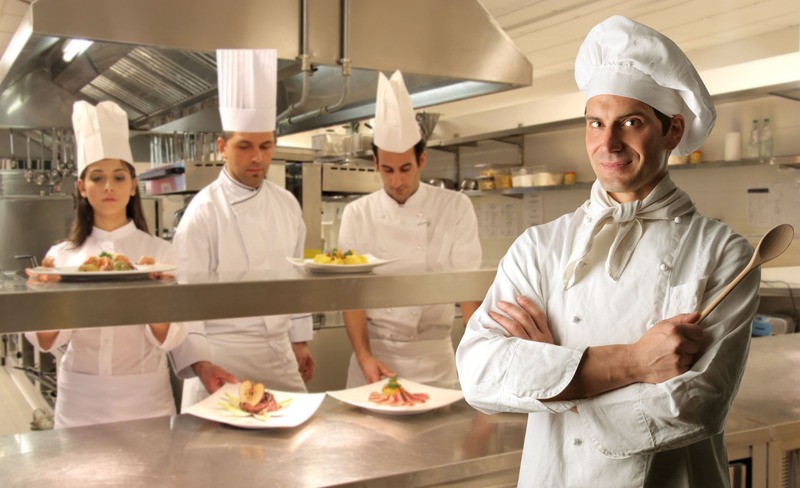
Food on the line must be tasted numerous times per shift to ensure each guest receives a quality meal. It is important to understand that something as simple as tasting can create a food risk. There are a few things that you should never do when tasting your cuisine in the kitchen.
Never use your fingers
Never double-dip a tasting spoon
Never use a stirring spoon to taste
Never lean over a pan or plate while tasting
This ” don’ts” list should be self-explanatory to the experienced food service worker. Touching a guest’s food with a bare hand, reusing a tasting spoon, and creating a scenario where food can drip from your mouth into a prepared product generate the potential for contamination.If you’re a food manager, you need to make sure your staff clearly understands the right and wrong way to taste the food they produce and give them the tools to do it safely.
Sampling Spoon Accessibility
To comply with the MN food code, we recommend that food managers supply your staff with ample food-tasting spoons stored above the food production line. Store them in a clean container to prevent contact with food or potential contaminants before use. Many restaurant workers store tasting spoons in their jacket or apron pockets to be close at hand when needed. We recommend that you train your employees not to store tasting spoons in their pockets. They risk coming into contact with food product or bare hands, and an increased potential of cross-contamination can result.
If you’re preparing a sample of a daily special or new menu food item, your staff should taste it away from the production area. This practice falls under the category of eating in the kitchen in the Minnesota Health Code. The food protection manager should move this process away from the production line.
Congratulations! You’ve put in your time. You’ve worked your hardest. Now you’ve been rewarded by being promoted to supervisor at your establishment. Your first order of business is to get your MN food manager certification online. Then you’ll be officially ready to take over.
Tips for the Newly Promoted Food Manager
Once the excitement dies down from gaining your first food management position dies down, it will be inevitable that you’ll feel some anxiety during the transition. We have a few suggestions that may help you settle into your recently gained role and responsibilities.
Our first suggestion is to consider that, since this is your first management position. It may not be wise to implement changes right away. Hopefully, your company already has a system in place to assist your food production in continuing to run smoothly and effectively during the transition. It would be acceptable to make adjustments to certain procedures where you see room for improvement. However, completely overhauling the way things operate should not be one of your initial objectives.
Image credit: bowie15 via 123rf
Once you begin your new food manager duties, it’s important to find a comfortable management style. Many newly promoted managers often make the mistake of attempting to run their facility with an authoritarian style. When you assume your new role, it’s important to remember that you can lead your staff by working with them rather than attempting to manage every aspect of their jobs. Most employees perform better when they feel that they are trusted. There are also dangers if you choose to be too lax once you take over your supervisory role. Allowing your staff too much freedom can lead to production problems and the neglect of proper procedure. Our advice is to work closely with your staff and assess who is trustworthy and who needs more supervision.
Mold Your Operation To Reflect Your Managerial Style
As we advised earlier, it may not be appropriate to make huge changes as soon as you assume your new food manager role. However, once you have fully learned the current procedures and regulations and have become a leader of your staff, the time may be right. You can begin molding your operation to reflect your managerial style. When making changes, we suggest you always consult with whoever you report to before proceeding. You may have earned their trust enough to gain your position. However, they may not be comfortable if you make major changes to the way their business works without their consent.
We hear many stories from experienced professionals about their first supervisor job. We’re wondering if any of those seasoned veterans want to share some advice for those who are just now beginning their careers as a certified food manager.
As one of the many dedicated certified food managers in Minnesota, you devote countless hours to training your staff on the critical points of food safety. You drill them on handling raw proteins, maintaining the cold chain, and cooking foods to precise temperatures. Yet, a universal ingredient, one that cools drinks and preserves buffet displays, often gets overlooked: ice. Proper ice machine sanitation is not a minor detail—it’s a fundamental component of a safe kitchen that every food manager should regularly review with their team.
The Hidden Risks: Why Ice Is a Food
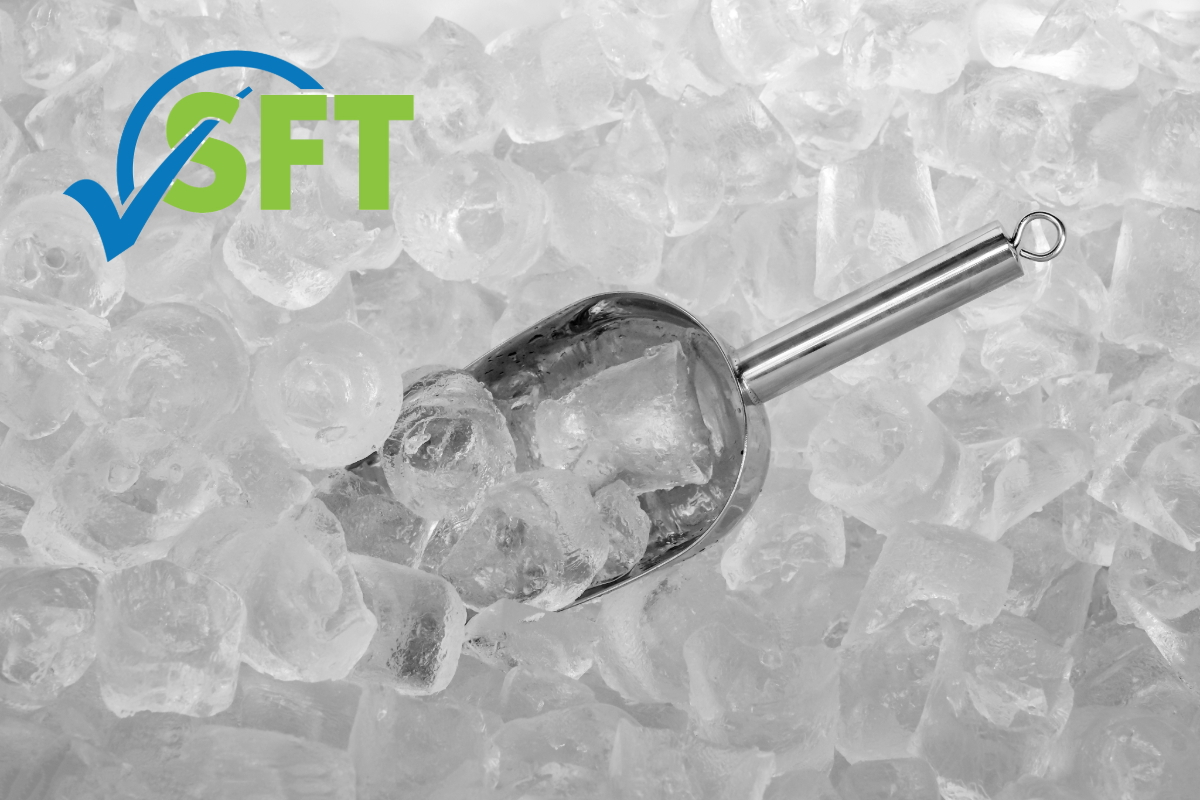
Ice is food. Learn about Ice Machine Maintenance.
It’s easy to forget, but the Food and Drug Administration (FDA) officially classifies ice as food. This means it is subject to the same strict handling and sanitation requirements as any other ready-to-eat product. When standards slip, the dark, damp interior of an ice machine becomes a perfect breeding ground for bacteria, biofilm, and mold. The problem isn’t just theoretical.
Health Hazards: Contaminated ice can introduce harmful pathogens, such as norovirus and E. coli, to your customers, leading to serious foodborne illness outbreaks.
Allergen Concerns: Mold spores that proliferate in a poorly maintained machine can trigger allergic reactions or asthma attacks in sensitive individuals.
Compliance Violations: A dirty ice machine is a clear red flag for health inspectors and can cause costly violations that damage your establishment’s reputation.
Lorem ipsum dolor sit amet, consectetur adipiscing elit. Ut elit tellus, luctus nec ullamcorper mattis, pulvinar dapibus leo.
Mastering Proper Handling and Ice Machine Sanitation
Simply having an ice machine doesn’t guarantee the production of safe ice. The daily procedures your kitchen and bar staff follow are critical for preventing cross-contamination. Reinforcing these two key handling protocols is essential for everyday safety.
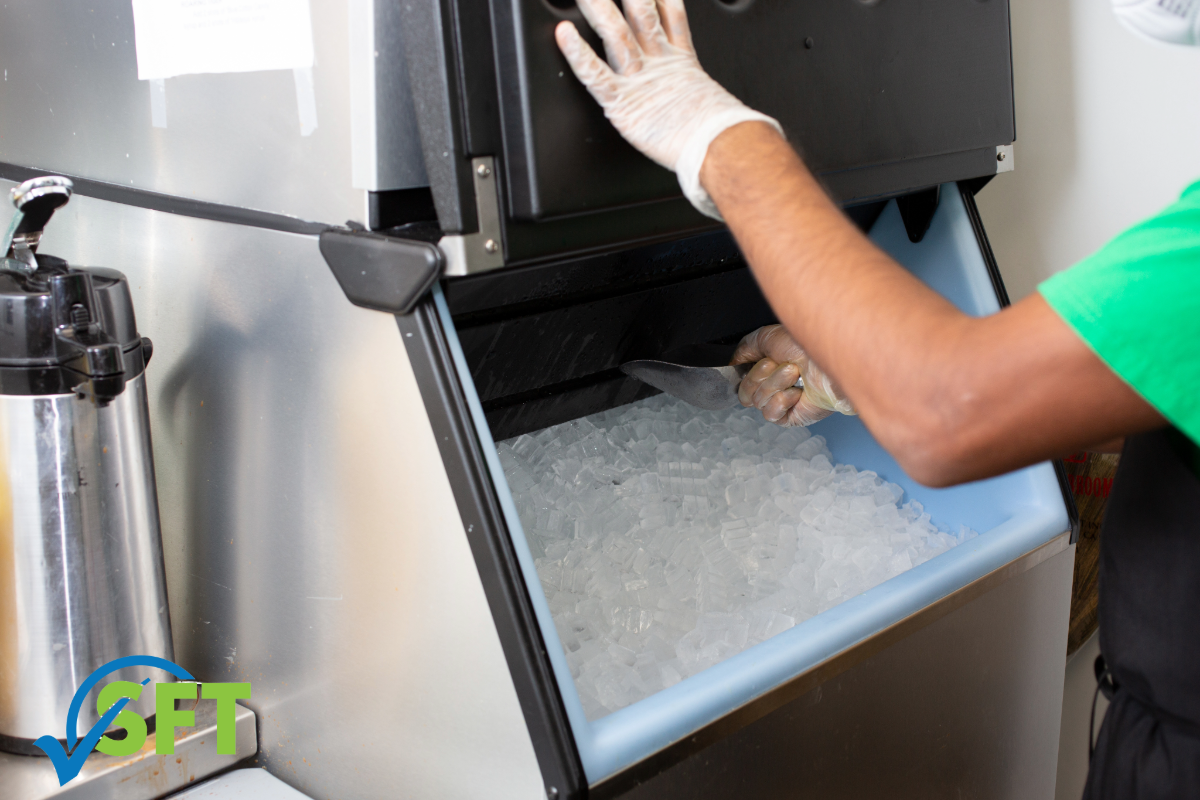
Eliminate Bare-Hand Contact: The Minnesota food code clearly states that ready-to-eat foods must not be handled with bare hands. Staff should always use a dedicated, sanitized scoop to retrieve ice. For best practice, wearing single-use gloves adds another layer of protection, preventing hands from inadvertently touching the ice supply, even when using a scoop.
Sanitary Scoop Storage:Do not leave an ice scoop on top of the machine, where it can collect dust, or store it inside the ice bin, where the handle can become contaminated. The only acceptable method is to store the scoop in a dedicated, clean, and sanitized container, or on a sanitized tray, ensuring it is not exposed to environmental contaminants between uses.
Maintaining a Clean Zone: Inside and Out
Are you serving safe drinks? Learn about Ice machine sanitation!
The safety of your ice depends on the cleanliness of both the machine’s interior and its surrounding environment. You must treat the ice machine as food-contact equipment and maintain the surrounding area to prevent pests and external contaminants from compromising your ice supply.
The machine is for ice only: It may seem convenient, but you should never use the ice bin as a refrigerator to chill canned beverages, bottles of wine, or other food products. The exterior of these containers is not sanitary and will introduce bacteria and dirt directly into your ice.
Keep the surrounding area clean: The warmth and moisture from an ice machine’s condenser can create an attractive environment for pests. Clean and remove all debris from the floor and drains under and around the machine. Keep the top of the machine clear and never use it as a storage shelf for boxes, dirty dishes, or other items.
Protecting your customers requires a comprehensive approach to food safety that accounts for every ingredient, including the ice. At Safe Food Training, we focus on the real-world challenges that certified food managers in Minnesota face on a daily basis. Our training goes beyond the basics to cover these often-overlooked hazards that can impact your operation.
Don’t let poor ice machine sanitation undermine your hard work. If you and your team are ready to deepen your understanding of Minnesota’s food safety standards, our expert-led, instructor-led options provide the convenient and comprehensive training you need.
Visit Safe Food Training today to schedule your next session and ensure your establishment is a model of safety, from the first ingredient to the last ice cube.