Spotlight On Holiday Donation Resources For Food Safety Managers

Spotlight On Holiday Charitable Donation Resources For Food Safety Managers

Nearly one in 11 Minnesotans struggle with hunger or are food insecure, and coming out of the COVID pandemic, many are still fighting poverty to feed their families. Over the hard times of the past two years, Minnesota food safety managers stepped up to help fill that void by donating surplus supplies, ingredients and meals to local food banks and charitable meal providers, but now that we’re entering the post-COVID holiday season we should be aware that the hunger problem hasn’t dissipated with the pandemic, and Minnesota food businesses can still play a vital role in helping struggling families enjoy the holiday season. We’ve assembled a list of donation resources for food safety managers who want to help local families in need.
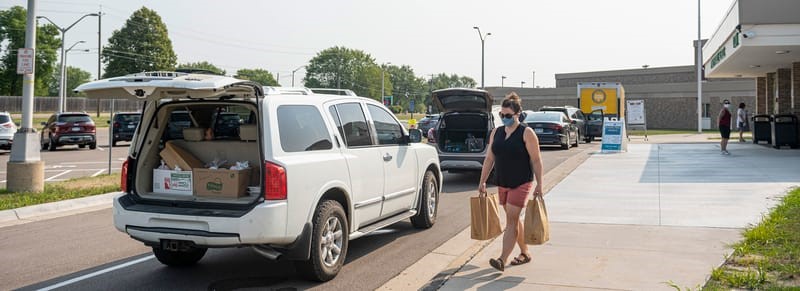
Spotlight On Holiday Charitable Donation Resources For Food Safety Managers
Image credit: Second Harvest Heartland

Donation Resources For Food Safety Managers That Can Help Struggling Families Put Food On The Table During The Holidays

There are many reasons for food safety managers to consider donating surplus or ordering and preparing extra holiday dinners to donate during the holidays. Some include:

  • Tax deductions
  • Waste reduction
  • Business promotion
  • Becoming a vital part of the community

While charity doesn’t always include a business bonus, sometimes helping your community can help reduce your taxes. Food businesses that donate food are eligible for a tax deduction. A tax deduction up to twice the cost of purchasing the product donated can be written off come tax time. This includes surplus as well as food brought in with the intention of donation.

Donating surplus over the holidays will not only feed struggling members of your community, it will also reduce waste and help keep your food cost in check. Nearly one-third of product brought into food businesses is wasted, so donating excess can go to help your neighbors rather than the dumpster.

Finally, businesses can donate anonymously, but often times charities will give credit to donors. When your food business donates meals, ingredients or other items during the holidays, your community will inevitably hear about it. When your business is known for charity, you may attract customers who may have never frequented your business if they didn’t know you were a vital part of the community during the holiday season.

Here’s a brief list of donation resources on how food safety managers can donate during the holidays. Many local municipalities have organizations and charities focused on your local communities, so feel free to reach out to local charities not listed here:

Do you have plans to donate product to charity this holiday season? Do you know of other donation resources food safety managers can use to distribute food to the community?


Food Safety Advice For Hosting Down Home Wild Game Dinners

Food Safety Advice For Hosting Down Home Wild Game Dinners

Hunting season is upon us for water fowl and will soon open for deer. Fall hunting is a great Minnesota tradition, and many food safety managers love to celebrate the season with hosting wild game dinners. When hosting an event where wild game is served, there are a few special procedures food safety managers need to pay attention to, so it’s important to review the special regulations for wild game dinners.

Food Safety Advice For Hosting Down Home Wild Game Dinners
Image credit: foodandmore via 123rf

Wild Game Dinners and Food Safety Protocols

If you’re planning on hosting a wild game dinner, it’s important to note that these types of dinners can only be held for charity and not at for profit events. This means that if you’re a certified food manager wanting to serve locally hunted or trapped game in your restaurant, you’ll have to find a source that’s been approved for sale for food service purposes. Fundraising events, however, can host wild game events as long as the donated game meets the proper criteria. Game served a wild game dinners must meet the following food safety standards:

  • Has been legally hunted or trapped
  • Is pure, unground animal meat
  • Was properly cleaned at a Minnesota Department of Agriculture licensed facility
  • Was eviscerated less than two hours after harvest

To be legally hunted, the animal must have been taken in season and in an area where hunting is allowed by licensed hunters. Any wild game animal, be it bird, deer or other game, taken illegally cannot be offered at these events. They also must be cleaned in a facility licensed by the MDA to ensure procedures have been followed to prevent cross contamination and that other food safety protocols have been followed. Game that was processed at a private residence or unlicensed facility cannot be served. It’s also important to make sure the animal is processed as soon as possible after it was caught. Hunters have a two-hour window to make sure remove the bowels of any animal intended for a wild game dinner.

On a final note, it’s also required that a full receipt be obtained by the organization accepting the wild game donation. This receipt must contain the name, address and license number of the donating party as well as the date the meat was obtained.

Do you host charitable fundraisers that include serving wild game? Were you aware of the special food safety regulations wild game dinners?

Food Safety Management Steps for Starting a New Food Business

Food Safety Management Steps for Starting a New Food Business

Congratulations! You have your business plan formalized, gained funding and even have a location picked out for your new food business, but just having the finances and space isn’t enough to get started. There are several food safety management procedures you need to take in order to open your doors so the public can enjoy your goods and services. Navigating the new food business landscape can be daunting, so let’s breakdown the steps you’ll need to take to open your doors.

Food Safety Management Steps for Starting a New Food Business
Image credit: rawpixel via 123rf

Navigating Food Safety Management and Opening a New Food Business

There are numerous steps that must be followed in order to open a food business, and your banker should be able to help with the financial side, so let’s look at a quick rundown of what must be done on the food safety management side:

  • Plan on purchasing certified equipment for your establishment
  • Obtain the appropriate license for the Minnesota Department of Health or Department of Agriculture
  • Create a food risk assessment strategy
  • Hire a certified food protection manager
  • Consult frequently with your local health department

Food businesses must have properly certified equipment. Make sure your equipment has been classified for sanitation by an ANSI approved standard. Common standards include NSF, UL and Intertek. Approved equipment will have a valid standard stamp or sticker somewhere on the surface. When in doubt, your equipment supplier should have the appropriate paperwork for your new equipment.

Obtaining a license can be confusing since you may require a license from a specific agency depending on the location and type of food business you plan on opening. The State of Minnesota has a licensing wizard that will point you to the appropriate agency based on your answer to several questions about your food business’ target customer base and distribution methods.

Next it’s important to formulate a written food risk assessment plan. This plan should cover food safety during production, a Hazard Analysis Critical Control Point (HACCP) plan, allergen statements and recall plans. We don’t recommend formulating this on your own, but consulting with the health department that covers your establishment will help you create a detailed and acceptable plan for your new food business.

Before you open your doors or even begin any food preparation, you must employ a certified food protection manager. This can be your executive chef, kitchen manager, floor supervisor or even a hands-on owner. Certified food protection managers must pass an online or in-person certification class and exam, and they’re responsible for ensuring the safety of the food you produce.

Are you contemplating opening a new food business?

Scary Simple Front Of House Food Safety Precautions

Front Of House Food Safety Precautions

Kitchen personnel have easy access to gloves, serving utensils and other tools to help them avoid bare hand contact with any ready-to-eat foods, but servers, bar tenders and busboys tend to have a much more hectic pace to their routine and may be further away from supplies when it comes to bare hand contact and ready-to-eat foods. With a few simple precautions, we can ensure that the front of the house keeps the same food safety standards as the kitchen.

Front Of House Food Safety Precautions
Image credit: PXfuel

Avoiding Front Of House Bare Hand Contact with Ready-to-Eat Foods Has A Huge Impact on Food Safety

The Minnesota Food Code states that there can be no bare hand contact with food that is ready to serve. This includes cooked foods, raw fruits and vegetables and any other items ready for consumption. For the kitchen, this is pretty straight forward, but bar tenders and servers come into contact with these types of foods as well. Some examples include:

  • Fresh bread
  • Garnishes for drinks
  • Leftovers to be boxed up
  • Unique items held at server stations

Bread, garnishes, drinks and leftovers cannot be handled with bare hands. There are also some unique situations that can be a food safety hazard when handled with bare hands such as table snacks, fruit and vegetable slices for kid’s meals and a number of other possibilities. Just remember, if the food goes directly from its holding place to a customer’s plate, it should be considered a ready-to-eat food.

One-use disposable gloves are recommended when handling ready-to-eat products, but it can be a time consuming reparative task for the hustle of the wait staff’s routine during high-volume service. Tongs, spatulas and other utensils that can easily transport food on to plate or into drinks are acceptable and much easier to use than constantly changing gloves. However, when bagging up leftovers or continually handling garnishes for extended periods of time before returning to the dining room floor, single-use food service gloves may be the best option.

Always remember to wash your hands thoroughly and promote food safety training in the front of the house when it comes to handling ready-to-eat product.

Have you reviewed food safety training procedures for handling prepared food on the dining room floor?