When Should Certified Food Protection Managers Cease Operations for Sanitation

Certified Food Protection Managers Cease Operations

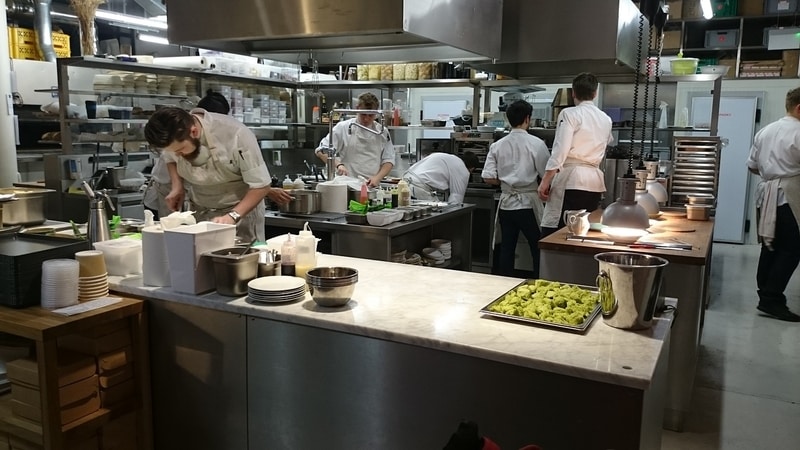
Sometimes health department inspections happen without issues and sometimes minor procedures need to be addressed, but what should be done after a failing a health inspection or the health inspector arrives at your facility after multiple reports of foodborne illness? What should trigger a certified food protection manager to consider a temporary shutdown?

Certified Food Protection Managers Cease Operations
Image credit: PXhere

Knowing When a Certified Food Protection Manager Should Consider Temporary Closure

It’s very important to know the difference between a failed health inspection report that can be addressed without shutting your doors and one that requires a complete shutdown.

Take a recent incident in Colorado involving a Red Robin restaurant for example. After multiple reports of E.coli poisoning and several critical health violations, the management of the restaurant determined that a voluntary closure was necessary to address sanitation issues and complete food safety training for all employees at this location. We don’t know if the local health inspectors would have mandated a shutdown eventually, but it should be noted to the company’s credit that they put the health of their customers over the potential loss of business when word of the shutdown spread.

We should also point out that their Colorado equivalent of our MN certified food protection manager decided to work with the local health department rather than address these issues on their own. In a situation like this, there is no greater expert in the field than your trained health inspector. They know the food codes and potential causes of foodborne illness better than anyone.

Certified food protection manager training in Minnesota does not specifically outline the point when you need to close your doors to address food safety issues, but it should give us a guide to recognize when we have a major problem. If you have an isolated sanitation issue or one or two employees that commit violations due to poor training, you can probably fix these situations without closing your facility. However, if you have several guests reporting sicknesses after eating at your establishment, have a health inspection review with several different of red flags or have known equipment issues that prevent you from protecting your guests, closing your doors temporarily to properly address these issues may be the right thing to do.

Working with your health inspector to address issues is the best way to reopen in a timely manner. If you need a knowledgeable professional to come to your facility to provide training, Safe Food Training can design a course to address specific issues pertinent to your establishment.

Online ServSafe Guide to Raw Egg Handling

Online ServSafe Guide to Raw Egg Handling

In the month of April, a supplier of eggs to the East Coastrecalled whole shell eggs due to a number of cases of Salmonella illnesses that may have been linked to their product. Even though it appears Minnesota escaped this risk unscathed, now would still be a good time for an online ServSafe review of raw egg handling habits.

Online ServSafe Guide to Raw Egg Handling
Copyright: vladacanon9 / 123RF Stock Photo

Raw Shell Egg Handling Procedures

Many Salmonella cases result from improper cooking or handling procedures. Most outbreaks can be avoided by following a few simple steps:

  • Fully cook products with raw egg ingredients
  • Use liquid pasteurized eggs when possible
  • Do not pool raw shell eggs
  • Always wash your hands after handling raw eggs

The Minnesota Food Code states that all raw shell eggs must be cooked to a temperature of 145 degrees. This does not mean that restaurants and outlets that offer breakfast service are prohibited from serving their eggs sunny side up or over easy. If you offer eggs on your menu, customers who verbally request them undercooked can receive them if the eggs are cooked and served immediately. In order to be in full compliance with the rules to serve undercooked eggs or other animal products a clearly visible warning that consuming undercooked animal product comes with health risks needs to be included on your menu.

For dishes such as omelets, scrambled eggs or any other product that does not require a whole shell egg, pasteurized liquid eggs should be used. These liquid eggs should replace any kind of egg pooling procedure. Egg pooling occurs when multiple whole raw shell eggs are cracked and stored in the same container. Putting large numbers of cracked raw eggs in one container greatly increases the risk of the spread of Salmonella.

Whether this topic is covered in online ServSafe training or one of our instructor led courses, we inevitably hear from chefs who claim that some recipes do not work with liquid eggs. In these cases, you may wish to use whole pasteurized shell eggs or consult your local health department to discuss solutions and alternatives for your ingredients.

The Benefit of Taking MN Food Manager Recertification Class

The-Benefit-of-Taking-MN-Food-Manager-Recertification-Classes

When the time comes for food service supervisors to renew their certifications, many opt simply to study and take the online course without enrolling in a full MN food manager recertification class. We think only positive things come out of taking the full course rather than skipping it during certification renewal.

The-Benefit-of-Taking-MN-Food-Manager-Recertification-Class
Image Credit: mayushka

Nothing beats interacting and engaging with an experienced food safety instructor and getting together with fellow food service professionals during training. MN food manager recertification classes sometimes bring up food safety issues you may have forgotten or may not be aware of. Interacting with fellow professionals and a trained teacher help brings solutions and answers questions about unclear topics.

There is a common misconception that a MN food manager recertification class will cost just as much as the initial food safety certification class and taking the course online can save money. Actually, the fees for instructor-led classes are the same as online recertification. With costs being similar, it makes sense to take advantage of an environment where you have the opportunity to ask questions and receive insights from a food safety expert.

Finally, taking the courses at home runs the risk of distraction. Taking the class in person keeps students focused and engaged in the material. Many students struggle to focus when given the opportunity to pause the training and become sidetracked by other tasks. Completing your recertification in one sitting during a scheduled class and testing session will reduce the chances you’ll lose focus while at home.

How do you prefer to handle recertification when you must renew? We offer both classroom and online instruction to meet all of our clients needs. We hope to see you when the time comes to renew your certification.

ServSafe Online Certification During Busy Times of the Year

ServSafe Online Certification During Busy Times of the Year

During the holiday season, many restaurants are busy and need their staff fully trained and ready to work. There could be times during this hectic time of the year when your establishment needs to bring in a new food safety manager or have other staff members who still require their food safety training. Online certification may be the best option in this scenario.

ServSafe Online Certification During Busy Times of the Year
Image credit: Wonderval via Pixabay

ServSafe Online Training

While an instructor led course gives students the experience of learning in a classroom environment from an engaging teacher who is ready to answer any questions that arise, occasions do occur where your business cannot be without a fully trained manager while you await the next scheduled training session. If you have a situation where you’ve just hired a new employee and need certification right away, the benefits of a ServSafe online certification course include:

  • Online courses do not adhere to a specific schedule, they can be taken day or night.
  • There is no need or travel to take the training. Online courses can be taken from your place of business or a student’s home.
  • Online training is perfect for experienced food safety managers who may only need a refresher course before testing.

Taking a test online not only speeds up the process during your busier times, but can also be a handy tool when it comes time to renew your certifications. We always suggest to keep a copy of your training materials after you have finished your training courses so that you’ll have a guide when it comes time to review for recertification testing.

At Safe Food Training, we’ll gladly meet your online food safety training needs if you have employees who need certification right away and cannot make one of our scheduled instructor led classes.

Do you enjoy the convenience of online testing, or would you prefer to send your staff to an instructor led course?