A New Look At Food Product Recalls for Certified Food Protection Managers

Food Product Recall Widget For Certified Food Protection Managers

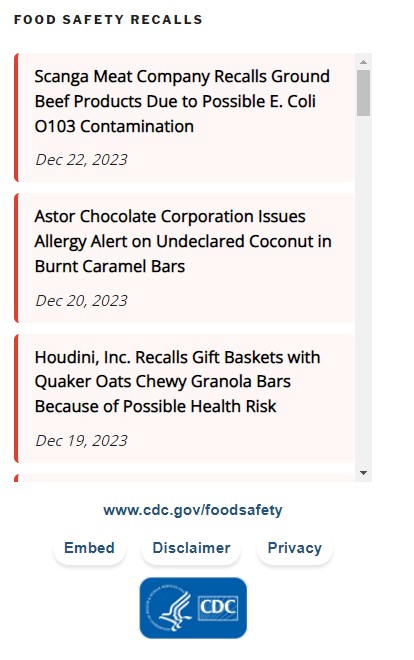
In the very first “Safe Food for Thought”, a blog for certified food protection managers, published on October 30, 2015, we discussed the importance of keeping up to date on food product recalls. As part of that new platform, we included a US foodsafety.gov fed streaming Food recall alert. This feature provides real-time notices of recalls and public health alerts from the U.S. Department of Agriculture (USDA) and the U.S. Food and Drug Administration (FDA), which are listed in the widget 24/7.

You no longer have to lose sleep worrying about serving contaminated food supplied by a manufacturer. Instead, quickly check the widget on our blog once daily to ensure your supplies are safe.

Food Product Recall Widget For Certified Food Protection Managers

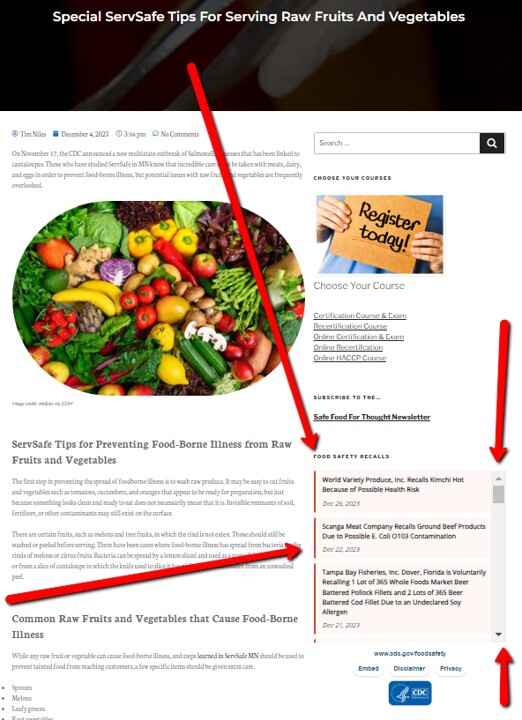
On full screen, you will see the Food Safety Recall widget on the right side of our blog page. A slide bar on the right allows you to scroll down to see recalls past recalls. If you find a recall that concerns you, click on it, and you’ll get detailed information. (You must scroll past the most recent blogs on your mobile to find the widget.)
Indeed, paying attention to product recalls is crucial, but it’s equally important to know what constitutes a recalled item. Food product recalls are incredibly specific. Questionable products in your inventory must have all of these details:

  • Same brand
  • Product name
  • Use-by or freeze-by date
  • Establishment number
  • And more.

If you’re unsure, your certified food protection manager can always contact the manufacturer with your information and ask if they recalled the food product.

If the product details match, please follow these steps:

  • Do not open or consume the product!
  • Contact your supplier to return the product or dispose of it according to the instructions in the recall notice. This is vital as it ensures no one else could pick it up and consume it.

By all means, keep yourself and those around you safe by staying informed on recalls and taking proper actions when necessary.

How often do you actively check your inventory products for recalls?

What Minnesota Food Managers Need to Know About Listeria

What Minnesota Food Managers Need to Know About Listeria

With recent national listeria outbreaks linked to soft cheeses and packaged deli meats, we’ve been asked what Minnesota food managers can do to prevent listeria from becoming an issue in their facility. To understand how to prevent a listeria outbreak, it’s important to take a look at how they get started.

What Minnesota Food Managers Need to Know About Listeria
Image credit: milkos via 123rf

How Minnesota Food Managers can Reduce Listeria Risks

The most common causes of listeria poisonings come from soft cheese, processed meats, ice cream and raw vegetables at the mass production level. Due to some of these items being prepared in large batches, the danger exists for ingredients to be held at temperatures conducive to listeria bacterial growth. This is why we tend to see widespread recalls rather than smaller outbreaks on local levels since many of these items are produced in large facilities.

Minnesota food managers at production facilities that generate mass quantities of any product need to take extra precautions to prevent listeria risks. Keep large batches of ingredients out of danger zone temperatures and ensure that your heating and cooling procedures are fast enough to reduce the risk of bacteria and other pathogens from growing as your product moves through the danger zone.

Most Minnesota food mangers work with food at smaller volumes in restaurants, cafeterias and other service industries rather than at the mass production level, so what can they do to reduce listeria risk? If you work with processed meats and soft cheese, make sure that they are always stored under 41 degrees Fahrenheit. This will prevent bacteria from forming during storage.

Secondly, pay close attention to CDC/FDA recalls and safety alerts. This is the best way to stay up to date on the latest recalls concerning potentially contaminated product.

Do you have a handle on storage for deli meats and soft cheeses to keep them safe?

How Strict New Romaine Growing Standards Help CFPMs

Over the course of the past several years, we’ve seen numerous recalls on romaine lettuce and other leafy greens due to foodborne illness outbreaks. These recalls have caused headaches for Certified Food Protection Managers (CFPMs) as they’ve had to pull popular items like Caesar salads off of menus and scramble for replacement greens with every recall. The good news for CFPMs, the romaine lettuce growing industry is adapting and large growing regions in California and Arizona are adopting stricter regulations to prevent contaminated greens from being shipped to restaurants and grocery stores around the country.

Strict New Romaine Growing Standards Help CFPMs
Image credits: PxHere

CFPMs Benefit FromTougher Romaine Growing Standards

CFPMs should be able to rely on the quality of produce they receive in order to keep their customers safe. When they receive romaine or other greens that are tainted with E.coli, salmonella, listeria or other bacteria, there is often little they can do to prevent this contamination from spreading to their guests. In many cases, even rinsed and cleaned lettuce still contains traces of contaminates that are only killed at high temperatures.

The instability of the safety of the greens for major growing regions has forced CFPMs to reconsider where they source their produce. Some source it from outside California and Arizona, and others rely on indoor hydroponic farms to ensure the safety of their fresh greens. This has put pressure on major growers to adopt new standards to keep their greens safe. Some new rules going into effect in Arizona and California growing regions include:

  • Stringent treatment of water sources to remove pathogens
  • Enhanced water testing methods
  • Rewritten protocols to prevent groundwater from contacting edible parts of plants
  • Updated regulations for equipment storage and sanitation
  • Outlined practices to prevent the edible portion of greens from contacting soil during harvest

As you can see, the studies that have linked contaminated water and pathogens in Romaine lettuce have led to changes in the testing and treatment of water. Growers are also recognizing the connection between soil contact and contamination and taking steps to prevent contamination through contact with the ground, tools that have touched the soil and other possible contacts that could contaminate lettuce during harvesting.

While there’s very little CFPMs can do with some contaminates, it’s important to be aware of changes in the lettuce growing industry that could make volatile ingredients such as leafy greens safer to consumers.

Do you feel large growers are doing enough to keep the greens they ship safe for consumption?

Certified Food Protection Managers and Recall of Peaches

Certified Food Protection Managers and Recalled Peaches

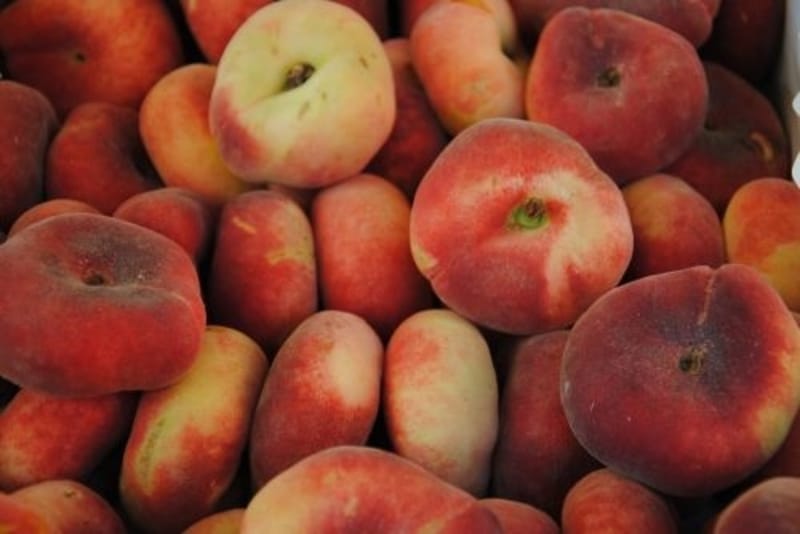
In a recent recall announcement, the FDA has notified consumers that a large number of peaches may be contaminated with salmonella. These peaches have been shipped by a major fruit producer and could have found their way into the supply chain for restaurants and other food producers. According to the CDC, there have been at least 23 cases of the strain in Minnesota, the most of any state thus far. How should certified food managers react to this outbreak?

Certified Food Protection Managers and Recall of Peaches
Image credit: needpix.com

Recall of Tainted Fresh Peaches and Certified Food Protection Managers

First, if certified food protection managers have any peaches that can be traced back to the recalled Wawona brand peaches or Wegman Food Markets, dispose of them immediately. The highest-risk establishments for this outbreak are grocery stores, but many restaurants supplement their fresh fruit supply in small batched from local markets. This means there may be a chance food-producing businesses may have them in their inventory.

If you have already processed these peaches into baked goods or other prepared items, you must dispose of any potentially contaminated product. According to the FDA, these peaches could have been on the market as early as June 1, so make sure you check your dates on any frozen items you have produced that contain peaches.

As always with such a widespread recall, if you have any doubts as to the safety of your produce or items made from potentially contaminated fruit, you should err on the side of caution.

Have you checked the FDA’s recent recall alerts or the embedded CDC Recall widget on the sidebar of this Safe Food For Thought Blog site to make sure you’re not using contaminated ingredients?