
The 5-Second Rule Myth: What ServSafe MN Professionals Need to Know

Spaghetti on the ground.
ice cream bar on the floor.
Don’t fall for this common food safety myth!

If you’ve spent any time in a professional kitchen, you’ve probably heard a coworker shout “5-second rule!” after a piece of food takes a tumble. It’s a common kitchen myth, but for those of us dedicated to food safety, it’s crucial to understand that this is no joke. When it comes to ServSafe MN standards, the only place for dropped food is the trash can, and understanding why is key to protecting your customers and your business.

The Centers for Disease Control and Prevention (CDC) estimates that approximately 48 million people contract a foodborne illness each year. As a food professional in Minnesota, and especially as a certified food protection manager, you are the first line of defense against these preventable illnesses. Adhering to the highest standards isn’t just about passing inspections; it’s about a fundamental commitment to public health.

The Science That Debunks The Myth

The core idea of the 5-second rule—that bacteria need time to transfer to food—is fundamentally flawed. Research has consistently shown that transferring contaminants is not a matter of time, but instead of contact. A significant 2016 study from Rutgers University found that bacterial transfer can happen in less than a second.

Here’s what really determines the level of contamination:

  • Immediate Transfer: Bacteria don’t have legs, but they move with moisture, and this transfer can be instantaneous. The moment food makes contact with a contaminated surface, a transfer of microorganisms begins. There is no “safe” window.
  • Surface Matters: The type of surface the food lands on plays a major role. Smooth, non-porous surfaces, such as ceramic tile and stainless steel, common in professional kitchens, allow for a much higher and faster rate of bacterial transfer than a surface like carpet.
  • Food Characteristics: The nature of the food itself is a critical factor. Moist or wet foods, such as a slice of tomato or melon, act like sponges for bacteria and will pick up contamination far more readily than dry crackers or bread rolls.

Beyond the Myth: Real-World Risks for ServSafe MN Professionals

For professionals who hold a ServSafe MN certification, ignoring the facts about the 5-second rule introduces serious risks that go far beyond a single piece of food. It creates a crack in your food safety culture that can lead to significant consequences. Upholding these standards is a core part of maintaining your food safety certification in MN.

True or false and a question mark on a black background
True or false?

Consider the potential fallout from this seemingly minor issue:

  • The Threat of Cross-Contamination: A dropped item doesn’t just contaminate itself. An employee who picks up the item and continues working can transfer pathogens from the floor to their hands, gloves, preparation surfaces, and other foods, creating a chain of contamination that can lead to widespread illness.
  • Damage to Your Reputation: Customer trust is everything. If a patron sees an employee serve food that has come into contact with the floor, that trust is instantly broken. In the age of online reviews, a single incident can cause lasting damage to your establishment’s reputation and bottom line.
  • Regulatory Violations: Minnesota’s food safety regulations are in place to protect the public. Failing to follow basic principles, such as proper handling of dropped food, can lead to poor inspection scores, fines, and even forced closures. It shows a lack of control and a disregard for required safety protocols.

The Right Procedure: When in Doubt, Throw It Out

The 5-second rule, rumor or real? (Thumbs down on a red background.)
The 5-second rule, rumor or real?

As a certified food protection manager, creating a culture of absolute food safety means having clear, simple, and non-negotiable procedures for situations like this. There is no room for ambiguity. Training your team on the correct response is an essential component of your ongoing food safety education plan.

Here is the only acceptable procedure for food that has hit the floor:

  • Immediate Disposal: Throw the food away immediately. There are no exceptions. The cost of a single ingredient is insignificant compared to the potential cost of a foodborne illness outbreak.
  • Clean and Sanitize: The employee involved must wash their hands thoroughly before returning to food preparation tasks. Any surfaces or tools that the dropped food may have come into contact with afterward must also be properly cleaned and sanitized.
  • Reinforce Through Training: Use these moments as opportunities for training. Remind your team why this rule is in place. Consistent reinforcement ensures that food safety remains a top priority for everyone, from new hires to seasoned veterans.

Ultimately, the 5-second rule is a myth that has no place in a professional kitchen. For a certified food protection manager, upholding the highest standards of ServSafe MN is about protecting your customers, your reputation, and your business.

Protect your patrons and your establishment with professional training. Whether you and your team are preparing for an initial Minnesota food license or it’s time to renew your three-year continuing education, our personalized, instructor-led options can help ensure you meet the highest standards. Go to Safe Food Training to book your course today!
Strong ServSafe MN Course Advice About Raw Milk Peril

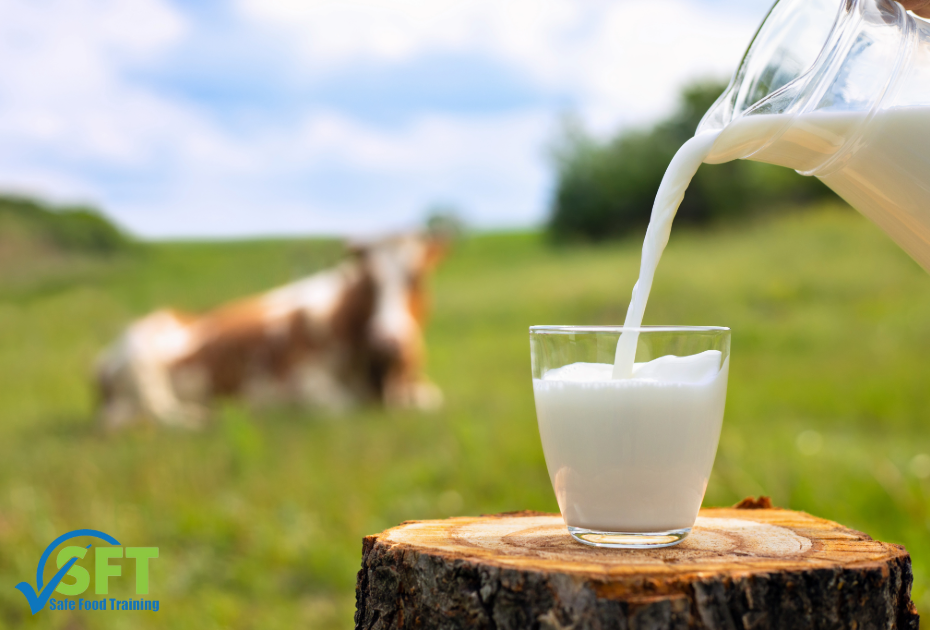
What ServSafe MN Classes Have to Say about Raw Milk

When we prepare a custom ServSafe MN course for local food service managers, we often encounter a question or topic that standard food safety training fails to address. We recently received a question asking what the Minnesota Food Code says about serving customers raw milk. A few different opinions state that pasteurization eradicates certain properties of raw milk. Some groups further speculate that raw milk provides health benefits that the milk on grocery store shelves does not.

ServSafe MN course
Image credit: gunnar3000 via yay images

What ServSafe MN Course Says About Raw Milk

First and foremost, we are concerned with the safety of food produced by restaurants, hospitality outlets, and food processing facilities. We first look to the Minnesota Food Code and state law for a ruling on any subject. According to the Minnesota Department of Agriculture, the law restricts the sale and distribution of unpasteurized milk for human consumption. Consumers wishing to purchase raw milk must purchase it directly from the farmer.

One of the significant reasons that food safety professionals advise against consuming unpasteurized milk and raw dairy products is that there is a high level of risk that it contains a bacterium known as Listeria. We often discuss the symptoms of Listeria poisoning in ServSafe MN courses, including vomiting, diarrhea, high fever, and other flu-like symptoms. These symptoms become serious in a short period and even become life-threatening for those with compromised immune systems.

Some advocates of raw milk consumption claim that pasteurization reduces milk’s nutritional value and may cause lactose intolerance and dairy allergies. According to the FDA, scientific evidence offers no support for these claims, and Listeria poisoning poses too great of a risk to your health to consume raw dairy products.

Your Consumption Vs. Your Restaurant Offering

When it comes to your health and the food you consume, you must judge what you put into your body. Still, as far as your restaurant or food production facility is concerned, both Minnesota law and the FDA agree that raw milk poses too big of a threat to be served to consumers.

Many other food safety risks fly under the radar, and ServSafe MN courses can’t cover all topics. If you have any questions or concerns about any issue, feel free to leave us a comment, and we will attempt to address it in an upcoming article.

Latest ServSafe Guidelines For Disastrous Listeria

Serve Safe Certification Guide to Listeria

When we prepare for ServSafe certification classes, we monitor food product recalls and FDA warnings concerning food-borne illness outbreaks. In the last three months, nine people have died, and nearly 60 patients have been hospitalized with Listeria. The source of this outbreak was tracked to meats sliced at delis, including Boar’s Head brand liverwurst, which was contaminated with Listeria and sickened people. With Listeria impacting food safety and being prevalent in the news, ServSafe managers must understand this bacterium, how it spreads, and how to prevent it from sickening customers who consume your food products.

ServSafe Certification Guide to Listeria
Image Credit: by jpalinsad360 thru www.flickr.com

ServSafe Certification Guide to Listeria

Listeria is a unique case for food-borne illness suspects because, unlike many other bacteria, it grows and multiplies at much colder temperatures than other contaminants. This means that any product contaminated with Listeria can be dangerous, even if stored in the refrigerator. Listeria bacteria can remain active at temperatures that approach and dip below freezing.

The low breeding temperature of Listeria makes it vital that ServSafe managers handle food properly. Ensure you rinse raw produce thoroughly, cook all prepared foods to the proper temperatures, and always clean and sanitize prep surfaces after preparing raw foods. Some of the most common foods that are responsible for Listeria outbreaks include:

  • Raw dairy and soft cheeses
  • Raw sprouts
  • Hot dogs and deli meats
  • Smoked or cold-cured seafood

Even though these are the most common sources of Listeria, we have noticed an increase in recalls and outbreaks traced back to frozen vegetables and fruits. We urge you to monitor FDA recalls. You can easily do this by viewing the FDA widget on the right-hand side of our blog page.

While ServSafe managers cringe at discussing the effect of Listeria poisoning, it is vital to understand the symptoms to identify the cause of a foodborne illness. Listeria poisoning incubates between a few days to a few months, so symptoms can arise long after tainted food has been consumed. Symptoms can include:

  • Fever
  • Soreness in the neck
  • Disorientation
  • Reduced strength
  • Vomiting

A quick read of Listeria poisoning symptoms closely resembles a list of flu symptoms with a few exceptions. Listeria attacks the nervous system as well as the digestive system. When you hear about these symptoms, there is a chance that Listeria is the culprit.

What to Do If You Have A Listeria Outbreak


If you do have an unfortunate incident involving Listeria at your establishment, it is essential to cooperate with your local health department. The bacteria could have originated from one of your suppliers, so giving the health department all your information can help prevent further cases.

If you want to learn more about Listeria and other bacteria, we offer ServSafe certification classes online or led by a qualified instructor.

ServSafe MN Spotlight On The Scary Residual Pesticides Dispute

Pesticides and ServSafe MN

In an FDA report published this month for data gathered in FY 2022, “findings show that the levels of pesticide chemical residues in the U.S. food supply are generally in compliance with EPA pesticide tolerances.” Conversely, the Environmental Working Group (EWG) has reported, “FDA tests find U.S. food supply awash in pesticide residues.” While pesticides on fruits and vegetables may not be covered by ServSafe MN rules, ServSafe managers should still address this issue.

Pesticides and ServSafe MN

ServSafe MN and Pesticides

This topic can raise many questions and often sparks a heated debate. While we may not have the space to cover every aspect of this issue, we’d like to touch on some of the highlights and give tips on preventing your customers from ingesting potentially dangerous pesticides.

Just because the average levels of pesticide in our produce may not pose a health threat, that does not mean that every grower uses a safe level of chemical pesticides. It’s crucial to ensure that you get your fruits and vegetables from reliable sources that prioritize food safety. A popular strategy for many restaurants and food production facilities is using only locally sourced, organic produce. If you have ever been in charge of your company’s budget, you may be aware that this can be an incredibly costly choice. It would help if you also considered that organic growers can use certain natural pesticides and still label their products as organic.

No matter where you decide to purchase your produce, you should ensure that your customers’ food remains untainted by pesticides or other contaminants. Upon delivery, it is crucial to promptly inspect your produce. You may not be able to see pesticides, but if any of your produce has any unusual residue, it may have been treated at some point.

Always Rinse!

After checking your produce, it’s important to know which items need refrigeration. Storing produce that requires refrigeration at room temperature can cause surface chemicals to seep into the produce. Finally, always rinse and allow your produce to dry fully before serving. The water’s force removes hidden dirt or pesticides, making it safer to eat than unwashed produce.

How do you keep your guests safe from man-made chemicals in your produce? Do you rely only on washing, or do you prefer to order from organic farms?