Hyper-Local Sourcing: A ServSafe MN Guide to In-House Restaurant Gardens

local sourcing

Minnesota diners’ demand for fresh, locally sourced food has inspired a new level of farm-to-table innovation: the in-house restaurant garden. To meet this trend, many ServSafe MN professionals are now growing herbs, vegetables, and garnishes on-site. While this practice can elevate a menu, it also introduces unique food safety variables that every manager must control.

Growing your own produce is permissible under food safety regulations, but it doesn’t grant a pass on the fundamental rules of safe food handling. You must treat an ingredient with the same diligence as any item arriving from a supplier the moment you harvest it. Let’s break down the three critical areas of focus for maintaining a safe and successful restaurant garden.

The Foundation: Starting with Clean Inputs

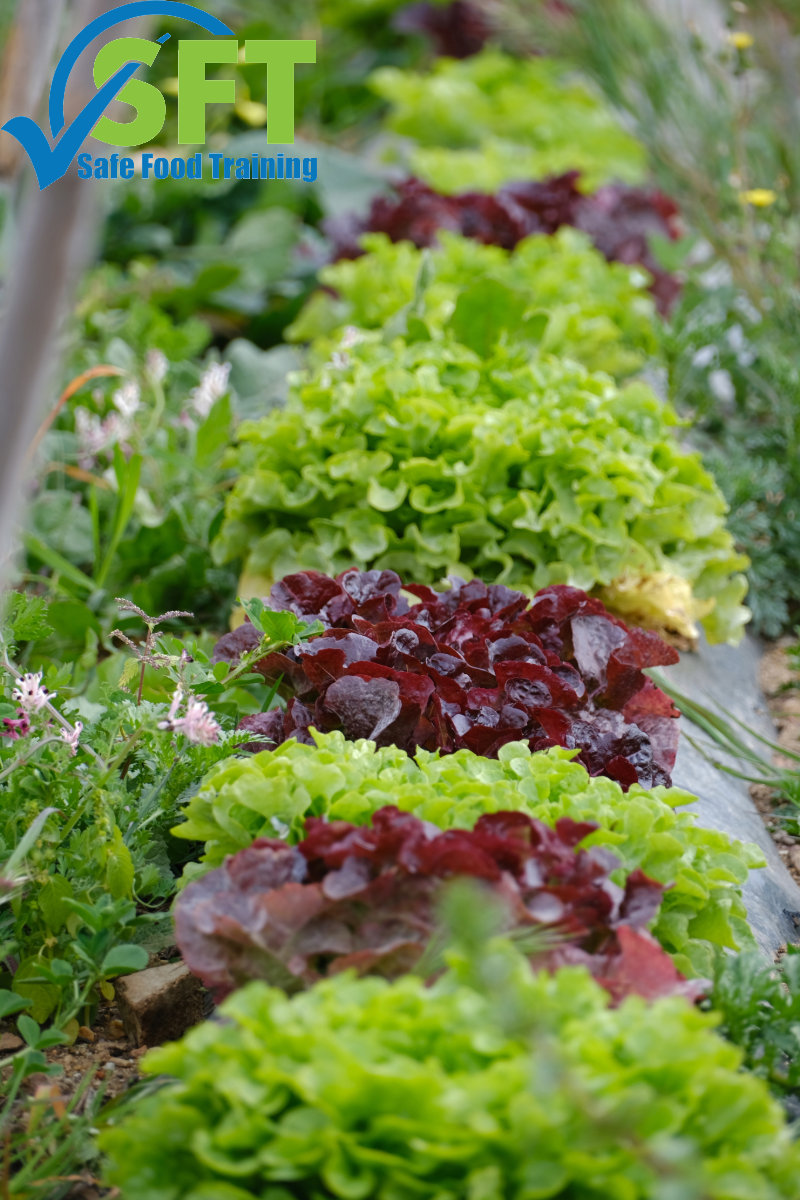
in-house restaurant gardens
Do you have an in-house garden at your restaurant?

The safety of your final product begins long before the harvest. The soil, fertilizer, and water you use are the building blocks of your garden, and they can also be primary sources of contamination if not chosen carefully. Assuming that “natural” automatically means “safe” is a critical error.

  • Use Sterile Growing Media: Pathogens like E. coli are often found in raw animal manure. To mitigate this risk, always use commercially prepared, sterilized fertilizers and potting soils. This step is crucial for preventing the introduction of harmful bacteria at the very start of the growing process.

  • Ensure a Potable Water Source: The water used for your plants will inevitably come into contact with the edible portions. Use only clean, potable water—the same water you use in your kitchen sinks. Avoid using rain barrels or other sources of stagnant water, which can harbor bacteria like Listeria or algae.
Protecting Your Garden: Controlling the Environment

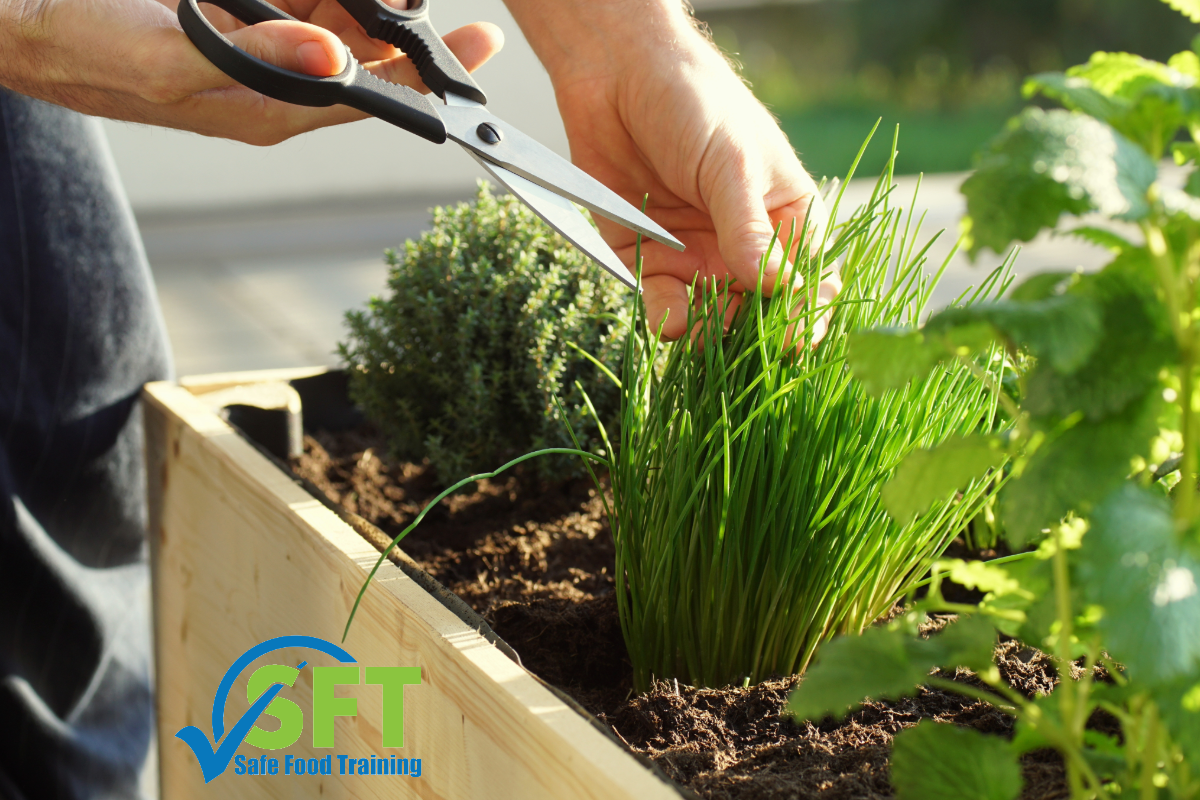
An outdoor garden exposes its produce to numerous environmental risks that can compromise its safety. A core part of your responsibility is to create a controlled space that minimizes these external threats. This means thinking beyond just planting seeds in an open patch of ground.

  • Secure the Location from Pests: Protect your garden from animals and other pests. Birds, rodents, and even neighborhood pets can carry pathogens in their waste, which can easily contaminate low-growing produce. Consider using raised garden beds, fencing, or netting to create a physical barrier.

Prevent Environmental Runoff: Be mindful of where you place your garden. Avoid areas where runoff from parking lots, lawns, or garbage enclosures could introduce chemical or biological contaminants to the soil and plants.

From Harvest to Plate: Applying ServSafe MN Protocols

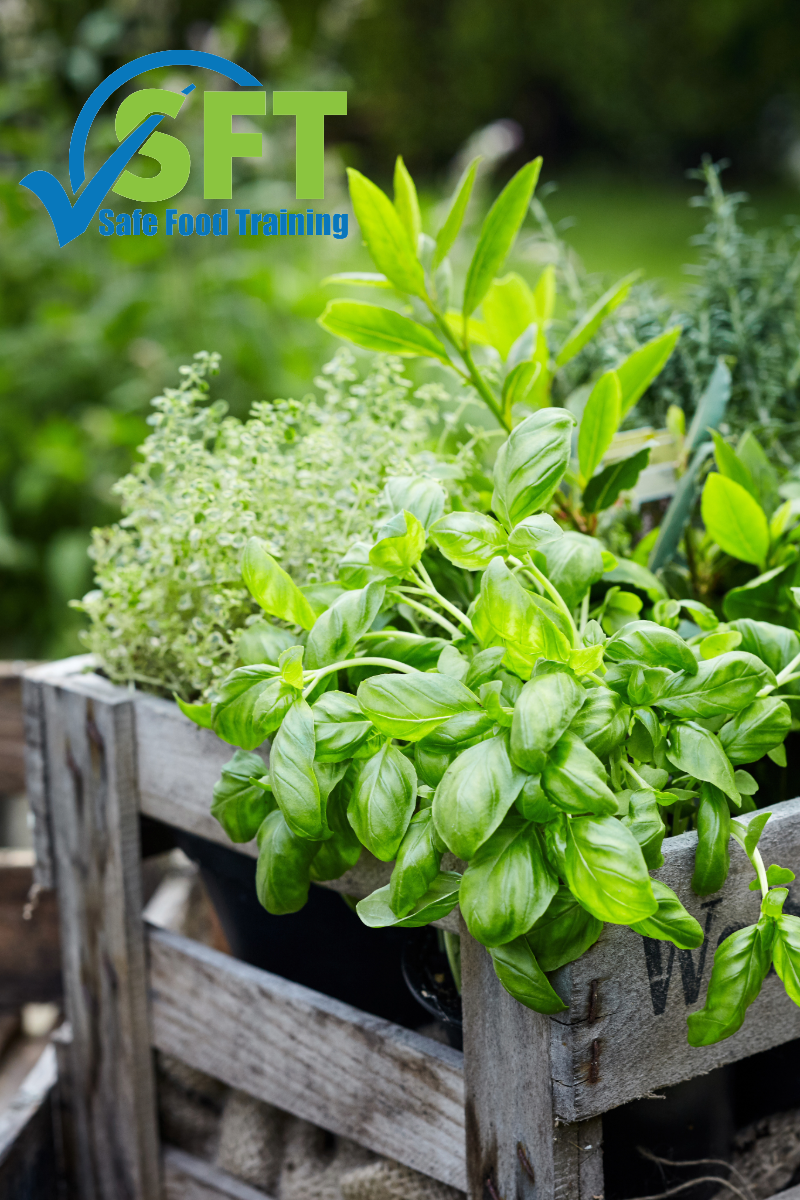
Herb garden-in-house restaurant gardens
Treat all produce the same, from the in-house restaurant garden to the regular outside supplier.

Once you clip that first sprig of mint or pull the first ripe tomato, your formal ServSafe MN training must kick into high gear. You must handle these raw ingredients accordingly to prevent foodborne illness as they enter your kitchen’s workflow.

  • Wash Produce Thoroughly: Wash all harvested items under clean, running water immediately after bringing them indoors. This crucial step removes soil, which can contain spores like Clostridium botulinum, as well as unseen pests and surface contaminants.

  • Prevent Cross-Contamination: Use a designated and sanitized food preparation sink for washing produce. Never use a handwashing or utility sink. After washing, store the items in clean, sanitized, and covered containers, away from and preferably above raw animal products.

  • A Note on Selling Retail: The guidelines discussed here apply to produce used for items on your menu. If you intend to sell raw, harvested produce directly to customers for retail, you may face different regulations. Contact your local health inspector to ensure you have the permits or licenses for this type of sale.

Embracing an in-house garden is an excellent way to innovate, but it requires a diligent application of food safety principles. Upholding these standards is a core part of your responsibility as a ServSafe MN certified professional.

For comprehensive training that covers these critical details for you and your team, explore our instructor-led options in Minnesota. 

The Truth About Marinade Safety: A Guide to ServSafe MN Standards for Your Minnesota Food License

marinade safety

Mastering Marinade Safety: A Guide to ServSafe MN Standards for Your Minnesota Food License

marinade safety
Master marinade safety with Safe Food Handling!

A well-crafted marinade can elevate a dish from good to unforgettable, adding layers of flavor and essential moisture. As a certified food protection manager in Minnesota, you know that great taste must always go hand in hand with impeccable safety standards. Proper food handling is a cornerstone of your Minnesota food license, and that includes how you prepare, store, and use marinades and brines in accordance with ServSafe MN Standards.

While marinades work their magic on meats, they can also become a breeding ground for harmful bacteria if not managed carefully. Understanding these risks and implementing strict protocols is not just good practice—it’s essential for protecting your guests and your business. Let’s explore three critical areas of marinade safety.

1. Preventing Cross-Contamination

The single most significant risk associated with marinades is cross-contamination. When raw meat, poultry, or seafood soaks in a marinade, the liquid becomes contaminated with any pathogens present on the meat. According to the CDC, approximately 1 in 6 Americans falls ill from foodborne diseases each year. Many of these illnesses are preventable when a certified food protection manager enforces proper kitchen hygiene.

To ensure your marinated dishes are safe, you must treat the marinade with the same caution as the raw meat, poultry, and fish themselves.

  • Isolate Your Materials: Always use dedicated, non-porous containers for marinating. Never place other foods, especially fresh produce, next to marinating items. Use separate utensils and cutting boards.
  • Strategic Storage: Store marinating food on the bottom shelf of your refrigerator to prevent it from spoiling. This simple step prevents contaminated liquid from accidentally dripping onto and contaminating other foods stored below.
  • Wash Your Hands Thoroughly: It’s a basic rule of any food safety certification MN program, but it bears repeating. Always wash your hands with soap and water after handling raw or marinated products.

2. The Dangers of Reusing Marinades

It can be tempting to reuse a flavorful brine or marinade to reduce food costs, but this practice is dangerous and significantly increases the risk of foodborne illness. Because raw meat contaminates a marinade, you must discard it.

  • Understand Bacterial Transfer: Raw meats naturally contain bacteria, such as Salmonella and Campylobacter. These pathogens leach into the marinade as the food soaks, and they can multiply to dangerous levels.
  • Avoid Contaminating New Product: If you add a fresh piece of meat to a used marinade, you are directly transferring bacteria from the previous batch. This act defeats other safety protocols and puts your customers at direct risk.
  • Never Use Old Marinade as a Glaze: Brushing a used marinade onto cooking or cooked meat is a major food safety violation. You are coating your nearly finished product with a layer of raw-meat bacteria. If you want to use a marinade as a sauce or glaze, you must use a fresh portion that has never come into contact with raw meat or poultry.

3. Proper Labeling and Temperature for Continuing Education Food Safety

Maintaining control over time and temperature is a fundamental skill that is continually reinforced through ongoing education and food safety training. These principles are crucial for every certified food protection manager to master, especially when it comes to marinades, which often contain perishable ingredients themselves, and are essential to uphold ServSafe MN Standards.

  • Date Everything: Record the date of marinade creation and the date of adding meat, poultry, or fish to your marinade labels. This helps you accurately track the shelf life of raw poultry, meat, and fish, ensuring you cook them
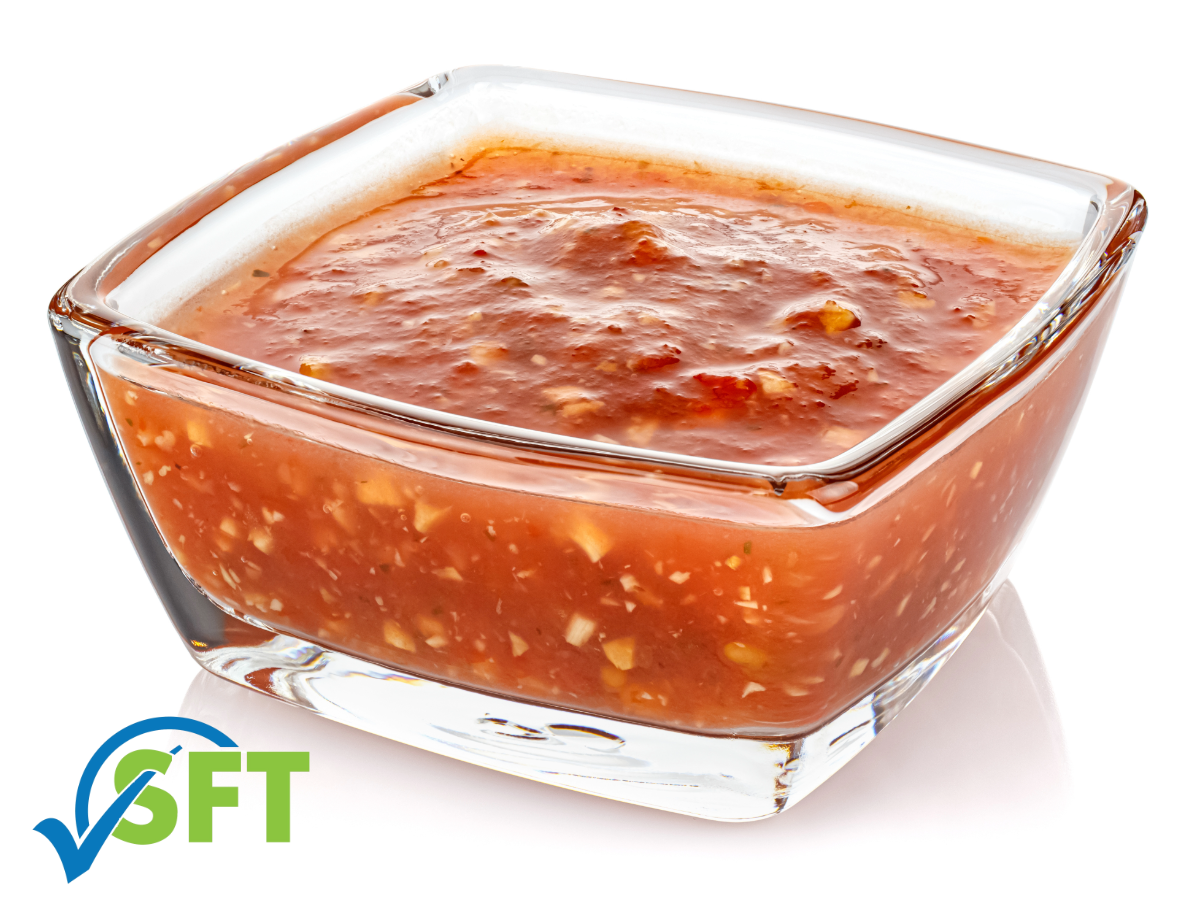
    marinade safety
    Are you storing your marinade properly?
    before they expire.
  • Refrigerate Immediately: Always refrigerate marinades at 40°F or below. Leaving a marinade on a counter to “marinate faster” places it squarely in the temperature danger zone (40°F – 140°F), where bacteria can multiply rapidly.
  • Know Your Ingredients: The shelf life of a marinade is also determined by its ingredients. Marinades containing dairy, fresh garlic, or other perishable items have a shorter safe-use window and require strict temperature control.

Uphold Your Safety Standards

Mastering marinade safety is a non-negotiable part of running a professional kitchen and a key responsibility for any certified food protection manager. By focusing on preventing cross-contamination, refusing to reuse marinades, and diligently managing time and temperature, you protect your diners and your reputation, all in accordance with ServSafe MN Standards.

Ensuring every member of your team understands these details is vital for your success. For personalized, instructor-led 8-hour food licensing courses and convenient reminders for your three-year continuing education, Safe Food Training is here to help you in Minnesota.

Book your team’s training now to maintain the highest level of food safety in your establishment!

Best ServSafe Advice For Eliminating Pesticides

Pesticides and ServSafe MN

In a study released last October, the FDA found that the amount of pesticides in the produce industry does not pose a significant health threat to the general population. However, scientific organizations like the US Environmental Work Group (EWG) and the European Pesticide Action Network continue to report alarming results. While pesticides on fruits and vegetables may fall outside the rules for ServSafe MN, it is still an issue that food service management professionals should consider.

Pesticides and ServSafe MN

ServSafe MN and Pesticides

This topic can raise many questions and often sparks a heated debate. While we may not have the space to cover every aspect of this issue, we’d like to touch on some highlights. We also want to give ServSafe managers tips on preventing their customers from ingesting potentially dangerous pesticides.

Just because the average levels of pesticide in our produce may not pose a health threat does not mean that every grower uses a safe level of chemical pesticides. It is essential to source your fruits and vegetables from trustworthy and responsible sources committed to ensuring the safety of their produce. A popular strategy for many restaurants and food production facilities involves using only locally sourced, organic produce. If you have ever been in charge of your company’s budget, you may be aware that this can be an incredibly costly choice. You should also consider that organic growers can use certain natural pesticides and still label their product as organic.

ServSafe managers should ensure that customers’ food remains free from pesticides or contaminants regardless of the produce source. Immediately inspect your produce upon delivery. You may not be able to see pesticides, but if any of your produce has any unusual residue, it may have been treated at some point.

Post Inspection Steps

Once you have inspected your produce, knowing which items are shelf-stable is usually good practice. If you have produce that is best kept under refrigeration and stored at room temperature, there is a chance that any chemicals on the surface could seep into the flesh of your produce items.

Finally, always rinse and allow your produce to dry thoroughly before serving. The water’s propulsion will wash off unseen soil or pesticides, making it safer to eat than unwashed fruits or vegetables.

How do you keep your guests safe from man-made chemicals in your produce? Do you rely only on washing, or do you prefer to order from organic farms?

ServSafe Managers Use Revealing Study To Discover The Real Cost Of A Food-borne Outbreak

ServSafe managers use resource to Discover cost of a food-borne illness

Certified ServSafe managers are hired and trained to ensure the kitchen they manage meets the highest food safety standards and prevents food-borne outbreaks. Sometimes, it’s tough to convince others why sticking to these strict rules is crucial. But, at times, it’s hard to get others to see the importance of being picky about following these stringent rules. We recently found a tool that can help ServSafe managers emphasize the importance of creating and sustaining a safe food production environment.

Food-Borne Illness Continues To Plague The US Hospitality Industry

According to the CDC, “Each year in the United States, Salmonella, STEC, and Listeria cause an estimated 1.49 million illnesses, 28,000 hospitalizations, and 700 deaths, at an estimated cost of more than $6 billion.” These are scary numbers; no restaurant wants to be associated with a food-borne outbreak. However, there is a continuous struggle within every restaurant about how much prevention is enough. What is the cost/benefit of our spending on food safety is.

A Resource For ServSafe Managers To Help Measure The Cost/Benefit Of Food-borne OutBreaks

ServSafe managers use resource to Discover cost of a food-borne illness
Image credit: nuclearlily via 123rf

Don’t worry; we just found an academic peer-reviewed study that provides ServSafe managers answers to that exact question. “Estimated Cost to a Restaurant of a Foodborne Illness Outbreak” was published online in April 2018 in Sage Journal. The article’s purpose was “Although outbreaks of restaurant-associated foodborne illness occur periodically and make the news, a restaurant may not know the cost of an outbreak. We estimated this cost under varying circumstances.”

Attention, this document is an academic paper and hard to read. You can just scan the article to understand the complexity of the research and then go to the conclusions. The range of the cost numbers is due to a variance from a [5-person outbreak, with no lost revenue, lawsuits, legal fees, or fines}; spanning to a [250-person outbreak, with high lost revenue (100 meals lost per illness), and a high amount of lawsuits and legal fees ($1,656,569) and fines ($100,000)]. But here is the bottom line:

Type of RestaurantCost of a single foodborne illness outbreak 
Fast-food restaurant$3,968 to $1.9 million
Fast-casual restaurant$6,330 to $2.1 million
Casual-dining restaurant$8,030 to $2.2 million 
Fine-dining restaurant$8,273 to $2.6 million

Advocate For Proper Funding

This data highlights the substantial cost of a single foodborne illness outbreak to a restaurant. The illness cost can outweigh the typical expenses of prevention and control measures. ServSafe managers must advocate for proper funding to keep the operation safe and minimize the probability of a devastating food-borne outbreak. You can use this data:

  • when talking with decision-makers (owners) to justify additional funding
  • in conversations with managers to recommend changes in other parts of the operation, such as in front-of-house
  • to motivate your own staff

Certified ServSafe managers are critical in upholding the highest food safety standards and preventing foodborne outbreaks in their kitchens. Certainly, there are challenges in convincing others of the importance of strict adherence to these rules. This study sheds light on the staggering costs associated with foodborne illnesses. It underscores the urgent need for adequate funding to ensure operational safety and mitigate the risk of devastating outbreaks. ServSafe managers can leverage this data to advocate for increased funding, recommend operational improvements, and motivate staff, ultimately safeguarding both public health and your restaurant’s reputation.