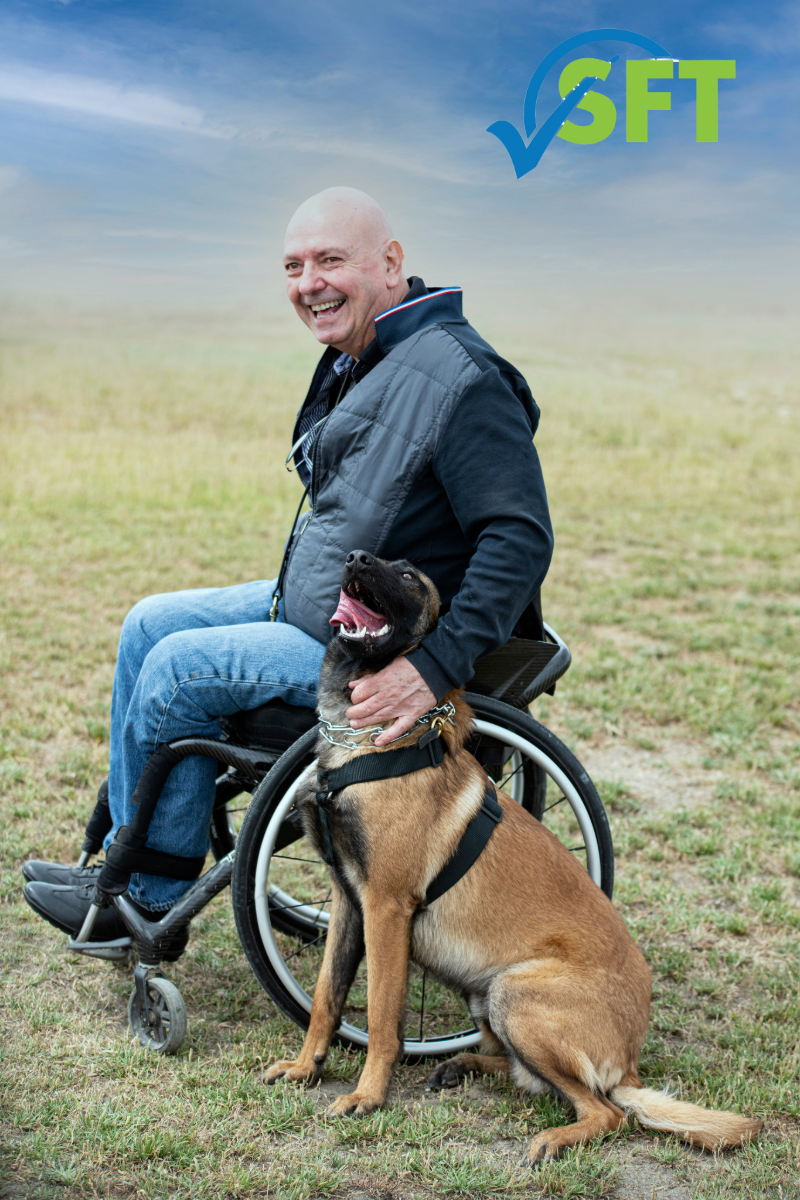
Service Animals in Restaurants: Vital Rules You Must Know Now

service animals in restaurants

As a Certified Food Protection Manager in Minnesota, you know that balancing public health regulations with excellent customer service is a daily priority. A key part of this is understanding how to accommodate service animals properly in restaurants. This isn’t just about following the law; it’s about creating an inclusive and welcoming environment for all guests, including the half a million American adults with disabilities who rely on service animals to navigate their daily lives.

Understanding the Legal Definition of a Service Animal

service animals in restaurants
Learn the rules for service animals in restaurants!

The foundation of proper handling is knowing exactly what constitutes a service animal under the law. The Americans with Disabilities Act (ADA) has a specific definition that distinguishes these animals from pets or emotional support animals. Getting this distinction right is the first step in confident and compliant service.

  • What a Service Animal Is: Under the ADA, a service animal is a dog that has been individually trained to do work or perform specific tasks for a person with a disability. The service animal’s tasks must directly relate to the person’s disability.

  • Emotional Support Animals Are Different: It’s crucial to understand that emotional support, therapy, comfort, or companion animals are not considered service animals under the ADA. These animals have not been trained to perform a specific job or task and, therefore, are not granted the same legal access to public places like restaurants.

  • The Two Questions You Can Ask: Your staff is legally permitted to ask only two questions when the need for a service animal is not obvious: (1) “Is the dog a service animal required because of a disability?” and (2) “What work or task has the dog been trained to perform?” You cannot ask about the person’s disability or demand any documentation.

Your Legal Obligations for Service Animals in Restaurants

Once a service animal is identified, your obligations are clear. The ADA mandates that service animals in restaurants be allowed to go wherever customers are generally allowed. This federal law supersedes any local health codes that might otherwise prohibit animals in a dining establishment.

  • No Extra Charges or Segregation: You cannot charge a customer a fee for bringing a service animal, nor can you require them to sit in a specific section of your restaurant. They must be treated like any other guest.

  • When You Can Ask an Animal to Leave: Your right to remove a service animal is very limited. You may only request that an animal be removed if it is out of control and poses a threat to others. This includes excessive barking or jumping on other people. Additionally, if the handler does not take effective action to control it, or if the animal is not housebroken.

  • Allergies and Fear Are Not Grounds for Removal: A common concern is the reaction of other patrons. However, allergies or a fear of dogs are not valid reasons for denying access or refusing service to a person with a service animal. Staff should manage these situations by relocating the concerned patron to a different area, if possible.

Best Practices for Staff Training and Patron Communication

Are service animals in restaurants okay?

Proactive training is the most effective tool for ensuring smooth interactions and avoiding legal missteps with service animals in restaurants. When your team is confident in the rules, they can handle any situation with professionalism and grace, protecting both the customer’s rights and your business’s reputation.

  • Train for Real-World Scenarios: Your training should go beyond the basics. Role-play scenarios with your staff on how to ask the two permissible questions, how to politely explain the policy to other guests who may complain, and how to address a situation where a service animal is being disruptive.

  • Keep Food Safety in Mind: While service animals are allowed in dining areas, they can be legally excluded from food preparation areas, such as the kitchen. Ensure your staff understands this distinction to maintain compliance with health codes.

  • Educate All Customers: Consider placing a small, professionally worded sign near your entrance that states your compliance with ADA regulations regarding service animals. This can help educate all patrons and prevent misunderstandings before they arise.

Navigating the rules for service animals in restaurants is a critical skill for every Certified Food Protection Manager. Proper training ensures you can serve all members of your community safely and legally.

Ensure you and your team are fully prepared to meet all of Minnesota’s food safety and public health standards

Enroll in our personalized, instructor-led Certified Food Protection Manager course with Safe Food Handling in Minnesota today.


Timely ServSafe Food Manager Guide To Preventing A Halloween Nightmare

Jill Anderson

Vampires, goblins, zombies, the ghost under the bed, and peanuts: Halloween is coming, and these terrifying evils will be everywhere. We all love a good scare this time of year, but no costumed ghoul frightens parents more than hidden allergens in Halloween treats. Let’s do a ServSafe food manager review for lurking Halloween allergens.

 ServSafe Food Manager Guide to Preventing a Halloween Nightmare
Image credit: Jill Anderson via Flickr

ServSafe Food Manager Tips For Allergy-Safe Halloween Activities

Parents are picky when it comes to where their kids trick or treat—especially those parents with children with severe food allergies. Halloween is one of the biggest holidays for ServSafe food managers to attract children and families to their facilities. Halloween parties are frequently held in school cafeterias or banquet halls. Our challenge is ensuring we don’t inadvertently serve items that could cause a reaction. Here are a few ideas:

  • Identify potential allergens used in your facility
  • Provide an ingredient list for all treats
  • Serve only pre-packaged food from reliable sources

It helps to ease parent’s minds when they know what their kids are putting in their bodies. If you have food allergies, have kids with food allergies, or know someone who does, then you probably have felt that sense of panic when someone you know could have a severe allergic reaction. The feeling is incredibly intense when ingesting something with unknown ingredients is possible. Knowledge and full disclosure help ensure little goblins choose allergen-free Halloween snacks.

The first step for a ServSafe food manager considering a Halloween event should be to post if your facility processes or uses common allergens such as peanuts, shellfish, wheat, and dairy. Following this up with posted ingredients for each item served will allow parents to make good choices in finding allergen-free Halloween treats. You don’t necessarily have to give away all your recipes and baking secrets. Simply informing party attendees of the ingredients used prevents accidental ingestion of allergens during a ServSafe food manager Halloween event.

The Safest Option

Finally, serving prepackaged Halloween treats from reliable sources with clearly labeled ingredients can be the safest way to host a Halloween event and minimize the risk of guests coming into contact with allergens. We know that many restaurants and other outlets use Halloween to expose as many people as possible to their product or menu items, but sometimes playing it safe and providing prewrapped candy and allergen-safe Halloween treats will show parents that you’re looking out for their children’s health. They may return to sample your cuisine another time.

Do you host Halloween events, and if so, what steps do you, as a ServSafe food manager, take to serve items free from allergens?

Latest ServSafe Guidelines For Disastrous Listeria

Serve Safe Certification Guide to Listeria

When we prepare for ServSafe certification classes, we monitor food product recalls and FDA warnings concerning food-borne illness outbreaks. In the last three months, nine people have died, and nearly 60 patients have been hospitalized with Listeria. The source of this outbreak was tracked to meats sliced at delis, including Boar’s Head brand liverwurst, which was contaminated with Listeria and sickened people. With Listeria impacting food safety and being prevalent in the news, ServSafe managers must understand this bacterium, how it spreads, and how to prevent it from sickening customers who consume your food products.

ServSafe Certification Guide to Listeria
Image Credit: by jpalinsad360 thru www.flickr.com

ServSafe Certification Guide to Listeria

Listeria is a unique case for food-borne illness suspects because, unlike many other bacteria, it grows and multiplies at much colder temperatures than other contaminants. This means that any product contaminated with Listeria can be dangerous, even if stored in the refrigerator. Listeria bacteria can remain active at temperatures that approach and dip below freezing.

The low breeding temperature of Listeria makes it vital that ServSafe managers handle food properly. Ensure you rinse raw produce thoroughly, cook all prepared foods to the proper temperatures, and always clean and sanitize prep surfaces after preparing raw foods. Some of the most common foods that are responsible for Listeria outbreaks include:

  • Raw dairy and soft cheeses
  • Raw sprouts
  • Hot dogs and deli meats
  • Smoked or cold-cured seafood

Even though these are the most common sources of Listeria, we have noticed an increase in recalls and outbreaks traced back to frozen vegetables and fruits. We urge you to monitor FDA recalls. You can easily do this by viewing the FDA widget on the right-hand side of our blog page.

While ServSafe managers cringe at discussing the effect of Listeria poisoning, it is vital to understand the symptoms to identify the cause of a foodborne illness. Listeria poisoning incubates between a few days to a few months, so symptoms can arise long after tainted food has been consumed. Symptoms can include:

  • Fever
  • Soreness in the neck
  • Disorientation
  • Reduced strength
  • Vomiting

A quick read of Listeria poisoning symptoms closely resembles a list of flu symptoms with a few exceptions. Listeria attacks the nervous system as well as the digestive system. When you hear about these symptoms, there is a chance that Listeria is the culprit.

What to Do If You Have A Listeria Outbreak


If you do have an unfortunate incident involving Listeria at your establishment, it is essential to cooperate with your local health department. The bacteria could have originated from one of your suppliers, so giving the health department all your information can help prevent further cases.

If you want to learn more about Listeria and other bacteria, we offer ServSafe certification classes online or led by a qualified instructor.

ServSafe Training: The Fascinating Mayonnaise Myth Exposed

ServSafe MN Training and the Mayonnaise Myth

During ServSafe MN training, we often discuss stories of food poisoning incidents blamed on tainted mayonnaise in potato salad, sandwiches, or dips. Mayonnaise is widely believed to be highly perishable and demands additional precautions when utilized in food production. If you investigate further, you’ll find that it’s often not mayonnaise that has caused a foodborne illness. More often it’s other ingredients that have not been prepared to ServSafe training standards.

ServSafe MN Training and the Mayonnaise Myth

ServSafe MN Training and the Mayonnaise Myth

Commercially produced mayonnaise is loaded with acids and preservatives, so it generally does not spoil quickly. Refrigerating mayonnaise is typically recommended. However, the recommendation is more about diners’ taste preferences than creating a food safety hazard. There are even some unverified claims that adding mayo to dressings, and cold sauces can extend the life of those products. These claims are attributed to the acids and preservatives in commercially produced mayonnaise.

To be clear, ServSafe training does not refer to commercially processed mayo in this discussion. If you make your own mayonnaise in your restaurant, you will likely use raw eggs. You will also likely not add as much acid and preservatives as your standard store-bought mayo. We strongly recommend treating in-house mayonnaise as a volatile food product and always keeping it under refrigeration.

If it’s not the mayonnaise that causes food poisoning, why do common dishes that contain it make people ill? Ingredients such as cooked potatoes, pasta, and vegetables are not shelf-stable. Cooked potato dishes are, in fact, highly susceptible to bacteria growth. Leaving a potato or pasta salad at room temperature for an extended time will create a health hazard for anyone who consumes it. Many potato salads also contain cooked eggs, which are incredibly susceptible to bacteria if not refrigerated properly.

Cross-contamination Is Frequently The Culprit

We have also heard mayonnaise blamed for food poisoning incidents that have occurred as a result of eating at a buffet-style event. Cross-contamination during food preparation or service directly causes the onset of these illnesses. Cross-contamination occurs when a utensil is dipped into another dish on the buffet or when the mayo spreader comes into contact with meat proteins and then is returned to the mayonnaise dish. In these cases, it is highly likely that bacteria have contaminated the mayonnaise. While that mayonnaise may not need refrigeration, any bacteria introduced into it will grow at room temperature.

The bottom line of the ServSafe training is that it is crucial to avoid cross-contamination and handle every ingredient correctly when using mayonnaise in your establishment.