
MDH Digital Doorway: Your Guide to Certified Food Protection Manager License Application

Certified food protection manager license application help from Safe Food Training!

Certified food protection manager license application help from Safe Food Training!

As a professional certified food protection manager in Minnesota, staying current with your certification is a top priority. Whether you are a newly trained certified food safety manager or a seasoned professional in the industry, a significant change has arrived that affects how everyone interacts with the Minnesota Department of Health (MDH). As of April 1, 2025, the MDH exclusively accepts applications through its online portal, and understanding this new process is essential.

To make it easier, I’ve created a step-by-step video guide to walk you through the entire process.

To make it easier, I’ve created a step-by-step video guide to walk you through the entire process.

Watch Our Step-by-Step Video Guide

Before diving into the written steps, you can watch my video that walks you through the new MDH portal. It’s a great way to see the process in action!

▶️ Watch the Video Guide to the MDH Portal Here

For a detailed breakdown, here are the three key phases: creating your account, uploading your course documents, and renewing your certification with a claim code.

Getting Started: Creating Your Secure Portal Account

Certified food protection manager license application help from Safe Food Training!
Need help completing your certified food protection manager license application help from Safe Food Training!

Your first step in the digital application process is to create a secure account with the Minnesota Department of Health. This account will serve as your central hub for managing your certified food protection manager license Application, both now and in the future. It’s a one-time setup that is crucial for all subsequent steps.

  • Step 1: Locate the Portal. You can navigate directly to the portal at https://mn-mdh.portal.opengov.com or find it by searching for “MN Department of Health Licensing System.”


  • Step 2: Sign Up. In the top right corner of the page, click “Login” and then select “Signup.” It is recommended that you choose the option to “Sign up using Secure Portal.”


  • Step 3: Verify Your Email. You will need to enter your email address, create a username, and set a password. The MDH system will then send a verification email to the address you provided. You must click the link in this email to activate your account before you can log in and proceed.

     

How to Renew: Using Your Unique Claim Code

Certified food protection manager license application help from Safe Food Training!
Contact us with additional course registration questions!

For professionals renewing their certification, the process requires an additional piece of information: a claim code. This code links your new continuing education documents to your existing professional record in the MDH system.

  • Locating Your Claim Code. The state should have mailed or emailed this unique code to you. If you cannot find it, you must contact the department directly. Email health.fmc@state.mn.us, provide your identifying information (full name, license number, etc.), and request your claim code.
  • Step 1: Claim Your Record. Once you have your code, log in to your MDH portal account. On the main dashboard, locate and select the “Claim a record” option, typically found in the lower right area.
  • Step 2: Submit and Finalize. An input window will appear. Enter your claim code exactly as it was provided to you and press “Submit.” This will successfully link your account to your renewal application, allowing you to upload your new continuing education certificate and pay the renewal fee online.

Navigating a new system can feel daunting, but following these steps will ensure your application is handled correctly and efficiently. Keeping your certified food protection manager credential current is a hallmark of your professionalism and commitment to public health.

If you haven’t completed your required training yet, Jeff Webster and the team at Safe Food Training are here to help you succeed. Register for an upcoming certification or renewal course today!
Online Certified Food Protection Manager Exam Study Guide

CFPM Exam Study Guide 2

Whether you’re taking the certified food protection manager- CFPM exam for the first time, or you’re taking the test after your certification has lapsed, it’s always a good idea to review material and subjects that are sure to be on the test. We’ve compiled this CFPM exam study guide to identify the most important material to review before taking the certified food protection manager exam.

Just to be clear none of the MN Department of Health approved test providers allow instructors to provide actual questions for obvious reasons. It’s also impossible to identify the actual questions because the tests have multiple variations of all the questions. It’s likely the person taking the test right next to you will have a different version than yours.

CFPM Exam Study Guide Topics

CFPM Exam Study Guide 2
Image credit: maridav via 123rf

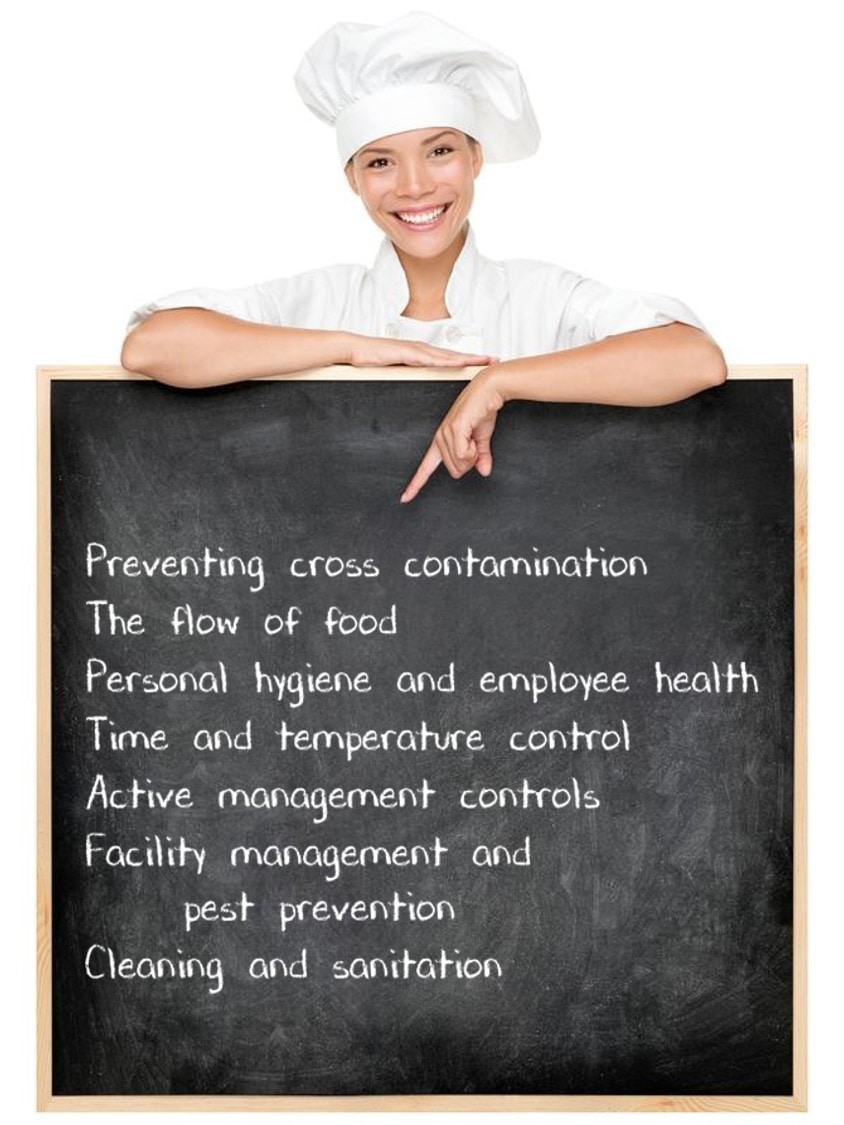
The certified food protection manager tests are designed to make sure that food service supervisors have the knowledge to keep the food they serve safe and train their staff on how to prevent foodborne illnesses. We can break down study topics to a few categories that should be reviewed before test time:

  • Preventing cross contamination
  • The flow of food
  • Personal hygiene and employee health
  • Time and temperature control
  • Active management controls
  • Facility management and pest prevention
  • Cleaning and sanitation

This list might look a little daunting, but we’ll simply break it down for you so that you can have a clear plan of action while preparing for your exam.

Cross-contamination occurs when bacteria spreads from one food item to another. This generally occurs when raw food touches ready to eat food, fresh product is prepared on surfaces previously used for raw product and raw food is improperly stored over ready-to-eat foods and food cooked at lower temperatures.

The flow of food deals with what happens with products from the second inventory arrives at your facility up until the moment it is served to guests. In order to get a firm grasp on the flow of food, review how to receive, store, prepare, cook, serve and display food products properly.

Personal hygiene consists of hand washing and the rules for working when sick. Always wash your hands after eating, smoking, using the bathroom and handling raw foods. Also, it’s important to note that sick employees should not handle food.

Time and temperature control will be tested extensively. Review proper cooking and holding times and temperatures.

Active management controls refer to your outlined procedures for ensuring food safety. These can be training, education, action plans or any other food safety management tactics employed to keep your establishment in compliance with the Minnesota food code and prevent food borne illness.

Facility management refers to the cleanliness and maintenance of the physical aspects of the building your business operates out of. Food-borne illness comes from other sources than improperly prepared food. Pests, plumbing problems, deteriorating equipment and other issues with your building’s mechanical elements can pose a food safety risk.

Knowing proper cleaning and sanitation methods is also key to passing the food safety certification exams. Make sure you understand which sanitizing solutions and cleaning methods are approved for food service.

Safe Food Training instructors spend the last portion of every class reviewing each one of these points in detail. Students often comment that, “the review at the end was the best part of the class!” Well over 90% of our students pass the exam the first time they take it.

Click proper here to find a class scheduled at a place and time near you.

Food Safety Training and the First Thanksgiving

Food Safety Training and the First Thanksgiving

November has arrived once again, and that means that we take a few days off from coordinating online food safety training and administering certified food manager exams to celebrate Thanksgiving with our families and loved ones. But before we sit down to our turkey and stuffing, our sweet potatoes with marshmallows, our cranberry sauce and our pumpkin pie, we thought it would be fun to take a look at the feast the Pilgrims celebrated back in 1621.

Food Safety Training and the History of Thanksgiving

Food Safety Training and the First Thanksgiving
Image credit: Jennie Augusta Brownscombe via Wikipedia

The menu for our traditional Thanksgiving has been passed down from generation to generation without fail, but many of us would be surprised as to just how different the menu was on that very first Thanksgiving Day. In fact, our current Thanksgiving menu differs greatly with the food consumed by the Pilgrims and the local Wampanoag tribe during their harvest celebration.

While wild turkeys were plentiful in 1600’s New England, the only proteins mentioned in the writings of the Pilgrim’s chronicler are five deer that were gifted to the settlers by their Wampanoag guests. According to historians, some of the other proteins the Pilgrims may have consumed included:

• Wild birds such as geese and swans
• Mussels and clams
• Eel and other native fish
• Lobsters

In fact, some experts claim that the settlers subsisted on a diet high in the easily harvested mussels and other shellfish that could be obtained without expending the excess energy and resources that game hunting would require.

If turkey wasn’t the main course of the first Thanksgiving, can we still count on them serving stuffing, cranberry sauce and pumpkin pie on the side? At this point of the Pilgrims adventure, they had yet had the time to plant and harvest grain, and they had been too long out of England for any flour to remain to make stuffing or even pie crusts for traditional pumpkin pies. Cranberries were plentiful in the region, but without a source of sugar they were hardly consumed due to the incredibly tart taste. Squash such as pumpkins were available, but they were more than likely roasted over the coals of a fire and eaten with nuts and local berries.

Whether you serve the traditional turkey and pumpkin pie, or roasted eel and baked mussels, we’d like to wish you and yours the best this Thanksgiving season. Do you serve any dishes that defy Thanksgiving traditions? We’d like to hear about your experiences in the comments section below.