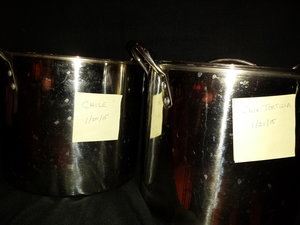
A CFPM Should NEVER Play The “Does This Smell Old?” Game”- Labeling Secrets

CFPMs keeping food safe through proper labeling

Unfortunately, employees ask their certified food protection manager this question all too often: “Does this smell OK to you?” Before you have to deal with the problem of trying to figure out how old a side of fish, a pre-made soup, or another refrigerated item is by playing the “Does this smell good?” game, CFPMs should take a moment to review proper labeling procedures.

CFPMs Keeping Food Safe Through Proper Labeling
Image credit: bowie15 via 123rf

CFPMs Keeping Food Safe Through Proper Labeling

Three important things should be included on every item in your storage areas.

  • What the product is
  • The date product was received or made
  • Potential expiration dates

The first two items on our list are easy to determine and label, but there is no absolute expiration date. Many prepared foods containing dairy and proteins have a shorter shelf life than others. Knowing that some proteins do not necessarily begin to smell as they age is essential. We suggest determining how long you can store these items before discarding them.

Labeling is just the first step to ensure food safety. We have two other suggestions to help CFPMs prevent spoiled food from being served to your guests. First, never mix two batches of sauces, soups, or other liquids made on different dates. An older batch can contaminate a newer batch and create a hazard even though the label shows a recent creation date.

Secondly, rotation is essential. It has become an industry cliché, but FIFO, first in, first out, should be enforced in every kitchen and preparation facility. Using the oldest-dated product first will ensure that it doesn’t begin to spoil and grow dangerous bacteria.

By following these easy labeling steps, CFPMs can help keep your guests safe from food-borne illness and save your nose from having to smell another potentially rancid side of salmon or pungent sauce.


How CFPMs Manage Questionable Product

CFPMs Manage Questionable Product

In your role as a certified food protection manager, have you ever had a staff member ask, “Does this smell ok to you?” or, “Do you know when this clam chowder was made?” and, “Can we still serve this?” This week, we’ll take a look at how CFPMs manage questionable product and to deal with situations that may increase the risk of sickening your customers.

CFPMs Manage Questionable Product
cooking, profession and people concept – male chef cook with clipboard doing inventory in restaurant kitchen

CFPMs Manage Questionable Product By Assessing Reasons for Spoiling or Low Quality Product

Situations where you or your staff is unsure of the quality, freshness or servability of product should be dealt with in a manner that protects your guests. If product doesn’t smell right, don’t serve it. If you are unsure about the date a product was made, or if it might no longer be good, don’t serve it. Taking a chance on sickening a guest because of questionable product is never worth the risk. So how do we deal with these situations and prevent them from happening?

If these instances are common in your facility, now is the time to take a look at how you deal with your inventory. There are a few questions that need to be asked:

  • Am I dating my product and inventory?
  • Am I making or ordering too much product?
  • Is my refrigerated storage arranged in an orderly manner?

Dating perishable product allows certified food protection managers and their staff know exactly when the ingredients arrived from a supplier or when finished product was made. Taking the time to date your product paints a bigger picture of how long your product sits in storage. If you’re finding that your product is being stored for extended periods of time, consider lowering par levels when you place an order or making smaller batches of your product.

Successful CFPMs manage questionable product with organization. If you’re refrigerator is a mess, then product can get lost, soak up flavors of food that is cooling nearby or risk cross contamination. Disorderly cold storage is a bacterial dream world and a certified food protection manager’s nightmare.

If you do date your product, monitor par levels and have an orderly walk-in refrigerator but are still running into scenarios where freshness comes into question, the certified food protection manager should set up a system to monitor the temperature of your refrigeration units to ensure that food is being kept cold.

Do you have a system to keep your product the freshest it can be?