


Listeriosis, a disease caused by the bacteria Listeria monocytogenes, is the third leading cause of death by food poisoning in the U.S. On average, there are 1,600 cases of listeriosis nationally each year, 260 of them deadly. The main groups affected are pregnant women, older adults, newborns and adults with weakened immune systems. Even though Listeriosis is not as common as other food-bourn disease, it is deadly and certified food protection managers need to keep staff vigilant.
The largest outbreak of listeriosis to-date occurred in 2011 and was traced to contaminated cantaloupes. In total, 147 people became ill and 33 died. Additionally, one of the five Listeria outbreaks identified in 2022 by the CDC effected Minnesota.

People acquire the illness by consuming food contaminated with the bacteria. Symptoms include diarrhea, fever, body and muscle aches, and loss of balance. In the most severe cases, listeriosis can cause blood poisoning (septicemia) and meningitis. For pregnant women, listeriosis can result in miscarriage or premature birth. Doctors diagnose listeriosis by conducting blood or spinal fluid tests and usually treat it with antibiotics.
Listeria bacteria live in soil and water and can contaminate fresh produce, uncooked meat and dairy products. The bacteria can also live in food processing and packaging machinery and can contaminate food during processing, including luncheon meats and hot dogs, smoked seafood, and cheese. NRFSP/ServSafe classes in MN include instruction on the origins of Listeria contamination and how to reduce risk.
Pasteurization and cooking kill the bacteria. However, for fresh produce and food that might become contaminated after cooking or pasteurization, food service professionals can take crucial steps to prevent infection:
All certified food protection managers should train your staff about this potentially deadly type of food poisoning and detailed prevention guidelines. When was the last time you did a staff training on Listeria?
Recently, the FDA opened a public inquiry requesting comments on how to define the term “healthy” as it relates to the labels on packaged foods. While this appears only to immediately impact the retail sector, any time the FDA changes any regulation the potential exists that the food service industry will see the effects. We do not foresee any upcoming changes to ServSafe or food safety certification requirements, but this looks like an important topic to explore.

Image credit: commons.wikimedia.org
The time period to give the FDA your opinion began on September 26th, so we would like to ask a few questions pertaining to this inquiry in case you plan on submitting your opinions.
• Should a government agency define healthy?
• Should the public define healthy?
• Is there one definition of healthy that works for all consumers?
It is not our intent to influence your opinion on what the FDA’s role is when it comes to the diet of consumers in our country, but we do think we should consider whether or not the FDA is responsible for deciding what healthy means. We all know that the FDA enforces and maintains regulations that keep our food supply safe from natural and man-made hazards, but does a food’s nutritional value fall under their department’s jurisdiction?
On the other hand, does the general populace have all of the information necessary to determine if a food is “healthy”? Even many experts disagree on which types of foods have health benefits and how much of each nutrient we need to consume. We all like to think that we know what is best for us, but how does product labeling influence our food choice decisions?
Finally, can we simply put the entire population in a box and tell them what is healthy for some is healthy for all. The FDA’s inquiry resulted from a complaint that foods rich in certain fats that have health benefits for some consumers are refused the “healthy” label. There may be questions as to whether refusing the “healthy” label to all foods that contain fats will prevent consumers from purchasing items that contain certain elements that may actually have nutritional value.
These are only a few of the questions that we have come up with that should be considered. If you’d like to submit your opinion, the FDA is currently accepting your comments on the topic of how to define “healthy” as a food label until January 26, 2017. We would also like to know how you feel about this topic so please leave your input in the comments section below.
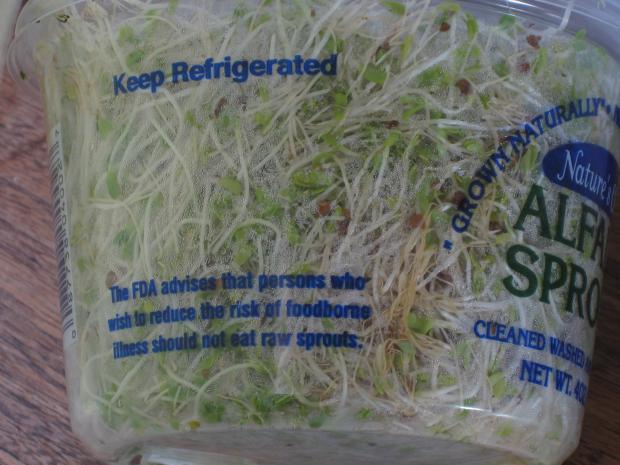
Photo credit: commons.wikimedia.org
In the month of February, an E. coli outbreak linked to fresh sprouts struck the states of Minnesota and Wisconsin. Fresh alfalfa sprouts have been linked to several food-borne illness cases over the past several years, so we’d like to take the time to review how MN certified food managers can keep their customers from consuming tainted sprouts and other sensitive raw produce items.
The recent E. coli outbreak in our state wasn’t merely an isolated incident. In a completely unrelated outbreak this year, sprouts grown in Kansas have been found to be the cause of illnesses as far away as Pennsylvania. When something like this happens, we like to take the time to have a discussion on how food service professionals can prevent these types of incidents from affecting their guests.
It is never safe to assume that raw sprouts, or any other raw produce items, are safe to consume right out of its packaging. All produce should be thoroughly rinsed and dried before it is made available to your customers.
Secondly, you should always throw away or return recalled produce items to your supplier. In this most recent case, the health department has warned that there may still be recalled alfalfa sprouts on retail store shelves or in food preparation facilities. On our blog page, we’ve incorporated a widget that will help you stay current on any recall information, and we suggest you check it regularly to make sure that you do not have recalled items in your inventory.
Finally, you should never serve raw sprouts of any kind if your regular customer base includes individuals that are susceptible to food-borne illness. The FDA recommends that alfalfa sprouts never be served to the elderly, children or those who have depleted immune systems. If you are in charge of food service for a school, assisted living home or medical facility, we strongly urge you to keep raw sprouts off of the menu.
At Safe Food Training, we like to hear how our readers deal with these types of situations. Do you serve raw alfalfa sprouts in your facility, or would you rather not take the risk and keep them off of your menu entirely?