
MN Food Safety and National Regulatory Agency Consolidation

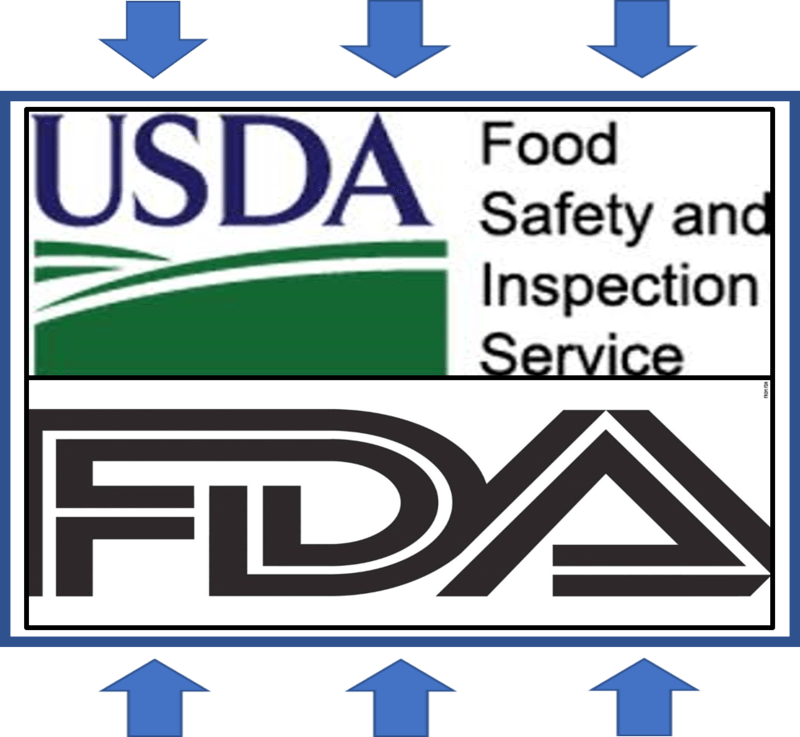
At Safe Food Training, we usually avoid commenting on the political landscape unless it directly relates to MN food safety and certified food managers. However, as part of the current administration’s effort to consolidate select federal agencies, a proposal has been put forth to form a single federal food safety agency under the umbrella of the USDA.

MN Food Safety and National Regulatory Agency Consolidation

How Proposed Federal Agency Reorganization Might Affect MN Food Safety

As things currently stand, two agencies, the Food and Drug Administration and a branch of the USDA known as the Food Safety and Inspection Service, have different levels of regulatory power when it comes to food safety in our country. Since there are two agencies, we have to ask what is the difference between the two?

After some research, we’ve discovered that one of the major differences between the two agencies involves what types of products they inspect. For example, the USDA and the FSIS may be responsible for the inspection of poultry, meats and eggs while fruits and vegetables fall under FDA jurisdiction. Meats and canned products containing meat receive quite a bit of scrutiny during inspections by the USDA, but many times large quantities of non-meat canned products, such as applesauce or tomato soup, go uninspected before shipped to consumers. Some seafood and fish products belong under the jurisdiction of one agency or the other. Catfish, for example, is regulated by the USDA while other fresh-water fish are inspected by the FDA.

The line becomes more and more blurred as we delve into pre-made products. The FDA is in charge of closed-faced meat sandwiches, while FSIS regulates open-faced meat sandwiches. This means that one agency regulates frozen pizzas and the other mass-produced pre-packaged breakfast sandwiches. These varied regulations make us wonder if any products slip through this confusing inspection process and pose potential health risks to consumers.

The consolidation of federal food safety agencies is not a partisan issue, or even a new one. The Obama administration put forth a similar proposal during their tenure in the White House.

There may be pros and cons of creating one agency that encompasses all of national food safety regulations and inspection. As a certified food manager with a professional interest in MN food safety, do you feel that a single regulatory agency will help keep the raw ingredients you use safer, or do you think multiple, clearly defined agencies are necessary for extended oversight of national food safety.

Will FDA Definition of Health change Food Safety Certification?

Recently, the FDA opened a public inquiry requesting comments on how to define the term “healthy” as it relates to the labels on packaged foods. While this appears only to immediately impact the retail sector, any time the FDA changes any regulation the potential exists that the food service industry will see the effects. We do not foresee any upcoming changes to ServSafe or food safety certification requirements, but this looks like an important topic to explore.

FDA Impact of Food safety certification
Image credit: commons.wikimedia.org

FDA Definition of Healthy and Food Safety Certification

The time period to give the FDA your opinion began on September 26th, so we would like to ask a few questions pertaining to this inquiry in case you plan on submitting your opinions.

• Should a government agency define healthy?
• Should the public define healthy?
• Is there one definition of healthy that works for all consumers?

It is not our intent to influence your opinion on what the FDA’s role is when it comes to the diet of consumers in our country, but we do think we should consider whether or not the FDA is responsible for deciding what healthy means. We all know that the FDA enforces and maintains regulations that keep our food supply safe from natural and man-made hazards, but does a food’s nutritional value fall under their department’s jurisdiction?

On the other hand, does the general populace have all of the information necessary to determine if a food is “healthy”? Even many experts disagree on which types of foods have health benefits and how much of each nutrient we need to consume. We all like to think that we know what is best for us, but how does product labeling influence our food choice decisions?

Finally, can we simply put the entire population in a box and tell them what is healthy for some is healthy for all. The FDA’s inquiry resulted from a complaint that foods rich in certain fats that have health benefits for some consumers are refused the “healthy” label. There may be questions as to whether refusing the “healthy” label to all foods that contain fats will prevent consumers from purchasing items that contain certain elements that may actually have nutritional value.

These are only a few of the questions that we have come up with that should be considered. If you’d like to submit your opinion, the FDA is currently accepting your comments on the topic of how to define “healthy” as a food label until January 26, 2017. We would also like to know how you feel about this topic so please leave your input in the comments section below.