
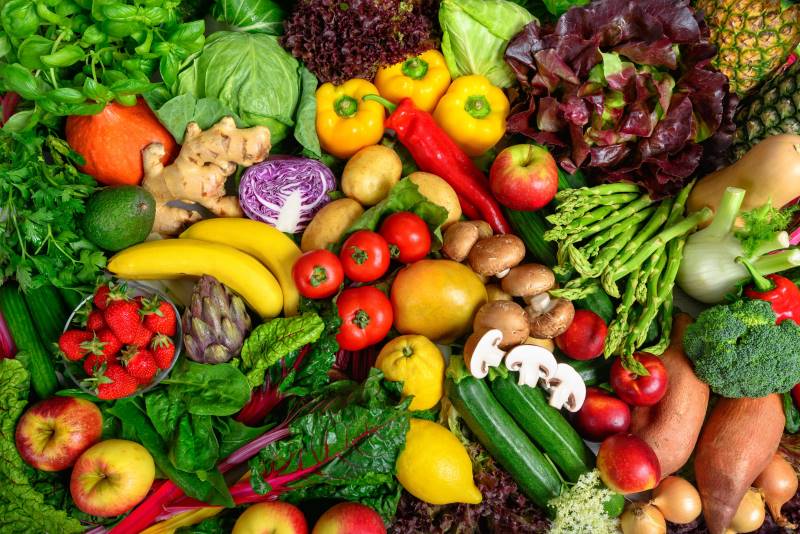
Special ServSafe Tips For Serving Raw Fruits And Vegetables

ServSafe Tips for Serving Raw Fruits and Vegetables

On November 17, the CDC announced a new multistate outbreak of Salmonella illnesses that has been linked to cantaloupes. Those who have studied ServSafe in MN know that incredible care must be taken with meats, dairy, and eggs in order to prevent food-borne illness, but potential issues with raw fruits and vegetables are frequently overlooked.

Special ServSafe Tips For Serving Raw Fruits And Vegetables
Image credit: smileus via 123rf

ServSafe Tips for Preventing Food-Borne Illness from Raw Fruits and Vegetables

The first step in preventing the spread of foodborne illness is to wash raw produce. It may be easy to cut fruits and vegetables such as tomatoes, cucumbers, and oranges that appear to be ready for preparation, but just because something looks clean and ready to eat does not necessarily mean that it is. Invisible remnants of soil, fertilizer, or other contaminants may still exist on the surface.

There are certain fruits, such as melons and tree fruits, in which the rind is not eaten. Those should still be washed or peeled before serving. There have been cases where food-borne illness has spread from bacteria on the rinds of melons or citrus fruits. Bacteria can be spread by a lemon sliced and used as a garnish in a glass of water or from a slice of cantaloupe in which the knife used to slice it has picked up contaminates from an unwashed peel.

Common Raw Fruits and Vegetables that Cause Food-Borne Illness

While any raw fruit or vegetable can cause food-borne illness, and steps learned in ServSafe MN should be used to prevent tainted food from reaching customers, a few specific items should be given extra care.

  • Sprouts
  • Melons
  • Leafy greens
  • Root vegetables

Sprouts have become such a hazard for food-borne illnesses that many restaurants and stores have stopped selling them. Before serving uncooked sprouts, particular attention should be taken to ensure they have been thoroughly cleaned.

Melons, especially cantaloupe, have been a notorious hazard in recent years. The rugged rind of the cantaloupe can shelter bacteria from a quick wash.

Leafy greens and root vegetables grow in or near the soil. This means having more contact with dirt, natural and chemical fertilizers, and other contaminants. These items should be thoroughly washed, and root vegetables to be served raw, such as carrots, should be washed before peeling to prevent bacteria from contaminating preparation utensils.

Food Safety Class Tips for Ice Bin Sanitation

Every restaurant has its sanitation challenges, but one of the most consistently overlooked areas is the front-of-house service station ice bin. For certified food safety managers in Minnesota, ensuring proper ice bin sanitation is a critical, yet often neglected, responsibility. While back-of-house procedures receive intense scrutiny, these smaller, customer-facing ice bins can become hotspots for contamination if not given the daily attention they require. This guide provides the essential tips you need to train your staff and maintain impeccable standards.

The Core Misconception: Why Ice Bins Are Ignored

Ice bin sanitation
Ice bin sanitation: Keep it safe.

A fundamental misunderstanding leads to service station ice bins being overlooked: many staff members don’t view ice as a food item. The thought process is that since ice is just frozen water, it can’t harbor pathogens. This is a dangerous assumption. 

The FDA classifies ice as a food, meaning it is subject to the same strict handling and sanitation requirements as any other ready-to-eat product. When staff members fail to treat an ice bin as a food container, they are more likely to engage in unsafe practices that lead to contamination.

  • False Sense of Security: Because ice is frozen, employees may wrongly believe that bacteria cannot grow, leading to lax cleaning schedules and improper handling.


  • Out of Sight, Out of Mind: Unlike a steam table or a walk-in cooler, a service station ice bin is often a secondary piece of equipment, making it easy to forget during routine cleaning and closing duties.


  • High-Traffic Area Risks: These bins are typically located in busy service alleys or bar tops, exposing them to a much higher risk of accidental contamination from various sources throughout a shift.

Mastering Ice Bin Safety in a Busy Environment

True ice bin safety involves being vigilant about what goes on around the bin as much as what goes in it. During a busy service, it’s easy for foreign objects and liquids to enter the ice supply, compromising the entire container. A single contaminated piece of ice can contaminate the entire bin as it melts and circulates.

  • Preventing Foreign Objects Contamination: Garnishments like lemons or cherries, napkins, straws, and even serving utensils can accidentally fall into the ice. These items introduce bacteria from hands, counters, and other surfaces. Keeping the lid closed whenever possible is a simple but effective preventative measure.

  • Managing Spills and Drips: In a bar or beverage station, splashes from juice, soda, or alcohol are inevitable. If these liquids enter the ice bin, they introduce sugars and other substances that can accelerate bacterial growth.

  • The “When in Doubt, Throw it Out” Rule: If you notice a foreign object or a significant spill has occurred, simply removing the object is not enough. The only safe procedure is to burn the ice—meaning, empty the entire bin, properly clean and sanitize the container according to health codes, and refill it with fresh, clean ice.

Implementing a Strict Sanitation Protocol

Ice bin sanitation
Tips for ice bin sanitation.

To ensure consistent ice bin sanitation, you must establish a clear, non-negotiable cleaning protocol that your service staff understands and follows. Simply allowing the ice to melt and drain overnight is not a substitute for proper cleaning; this practice leaves behind a damp environment that allows bacteria and biofilm to flourish.

  • Use a Properly Mixed Sanitizer: Your sanitizer solution must be mixed to the correct concentration. A solution that is too weak will not be effective, while one that is too strong can leave behind chemical residues that could sicken a customer. Use test strips to verify the concentration at every time.


  • Sanitize Every Time You Empty: It is essential to make cleaning and sanitizing the ice bin a mandatory procedure each time. It’s emptied ‌before refilling. This should be a key part of your closing checklist for every service station.


  • Train, Reinforce, and Document: Ongoing training is key. Regularly review these procedures with your waitstaff and bartenders to ensure they are familiar with them. Document your cleaning schedule in a log to ensure accountability and create a record of compliance for health inspections.

Safe Food Training acknowledges the dedication of certified food safety managers in Minnesota to protecting public health. Our goal is to provide practical training that addresses the real-world, often-overlooked challenges you face daily.

Don’t let a contaminated service station ice bin tarnish your reputation. If you and your team are looking to enhance your understanding of Minnesota’s food safety standards, our expert-led, instructor-led options provide the convenient and comprehensive training you need. 

Click on the link and head to Safe Food Training today to schedule your next session!