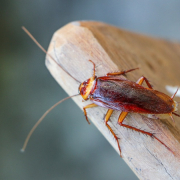

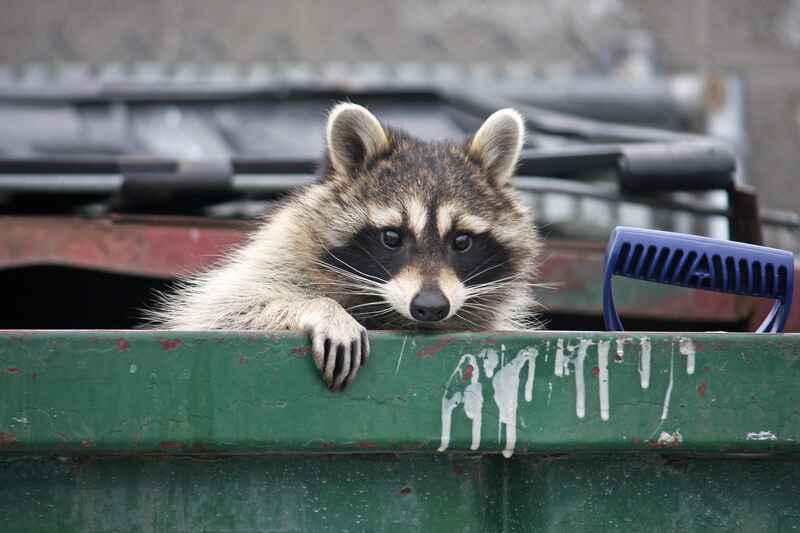
Most pest problems at food service facilities don’t begin inside the building but from the outside. Recycling bins, dumpsters, garbage cans, and food composting containers can attract insects, rodents, raccoons, and other invasive creatures that pose food safety risks and potentially eat into your business’ profits. We will provide ServSafe hints to help eliminate pest problems at your facility.
Reducing waste can help reduce your pest risks. However, there is no way to eliminate garbage, recyclable containers, and food scraps completely. Steps can be taken to prevent pests from inhabiting the areas where your garbage is stored until trash day.
“To reduce the risk of rodents, it is essential to maintain cleanliness in your trash storage area. However, simply picking up spilled trash may not be sufficient to keep away odors. Servsafe managers know that certain pests, such as rodents, have a heightened sense of smell, so if you have a significant garbage spill, you may want to hose down the area to prevent odors from lingering. Bagging all garbage is also an effective way of reducing odors from attracting unwanted creatures. Rinsing bottles and cans will help keep pests, especially insects, away from your facility. If no food residue is left in your recyclables, there will be very little to attract pesky bugs. Once your trash and recyclables are in the appropriate receptacle, making sure the lids are closed is essential to keeping smaller animals from exploring what’s inside.
One current waste reduction trend is to compost the waste from vegetable products for gardening use around company property. If your facility composts, it’s essential to keep your composting bins sealed, and it may even be a good idea to keep them locked and away from the building. Purchasing plastic bins that are designed for this purpose will do the most to prevent attracting animals.
As with most food safety hazards, prevention, cleanliness, and diligence are the keys to keeping pests out of your outdoor trash storage areas. At Safe Food Training, we like to hear ideas from local food-certified managers. What ServSafe tricks do you use to keep pests out of your trash storage areas?
Estimated reading time: 3 minutes
Pests should be a concern of ServSafe food managers all year round, but we’re in unique times that may draw more pests to your food establishment than normal. Pests like raccoons, rats, mice and even black bears are seeking out new sources of food during cold weather. If you factor in reduced operations at many businesses due to COVID-19 restrictions, retail outlets, food businesses and other industries are producing less waste and less garbage forcing pests to range further and even move indoors to search for food. With the possibility of these pests becoming more aggressive in their quest for a free meal, what should ServSafe food managers do to prevent winter pests out of their establishments?
When taking preventative measures against pests entering your food preparation facility, evaluate your entrances, dumpsters and outdoor dining areas. If animals are attracted to the exterior of your building, there’s a good chance they’ll be able to find a way inside.
ServSafe food managers should get into the habit of regularly scheduling staff to inspect and clean outside areas to prevent pests. With more outdoor dining due to limited indoor seating capacity, there’s more potential for food to be dropped or spilled. A messy outdoor dining patio will attract pests.
It’s also important to make sure dumpsters and garbage areas are also free from debris. You can also lock your dumpsters after hours to prevent larger urban mammals from rummaging through your trash. If they are unable to find sustenance in your trash, they’ll likely move on.
If you’ve taken care to keep your outside areas clean, it’ll be a helpful deterrent but may not give you total protection against pests entering your facility. ServSafe food managers should design pest prevention procedures to ensure the following happens every day:
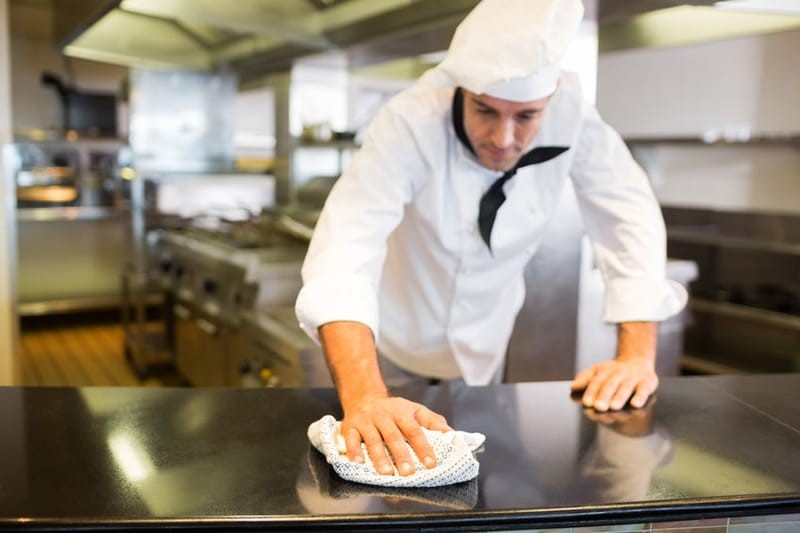
Even if it’s just inside the kitchen, a full garbage can attract pests such as rodents and insects. Dirty floors and countertops release odors that attract unwanted visitors and become a breeding ground for fruit flies, gnats and other bugs.
Finally, make sure inventory such as produce is stored as far off the ground as possible. Ground level fruits and vegetables can be an open invitation.
Have you taken extra precautions to keep pests out of your food preparation areas?