A New Look At Food Safety Certification Hand-Washing Stations

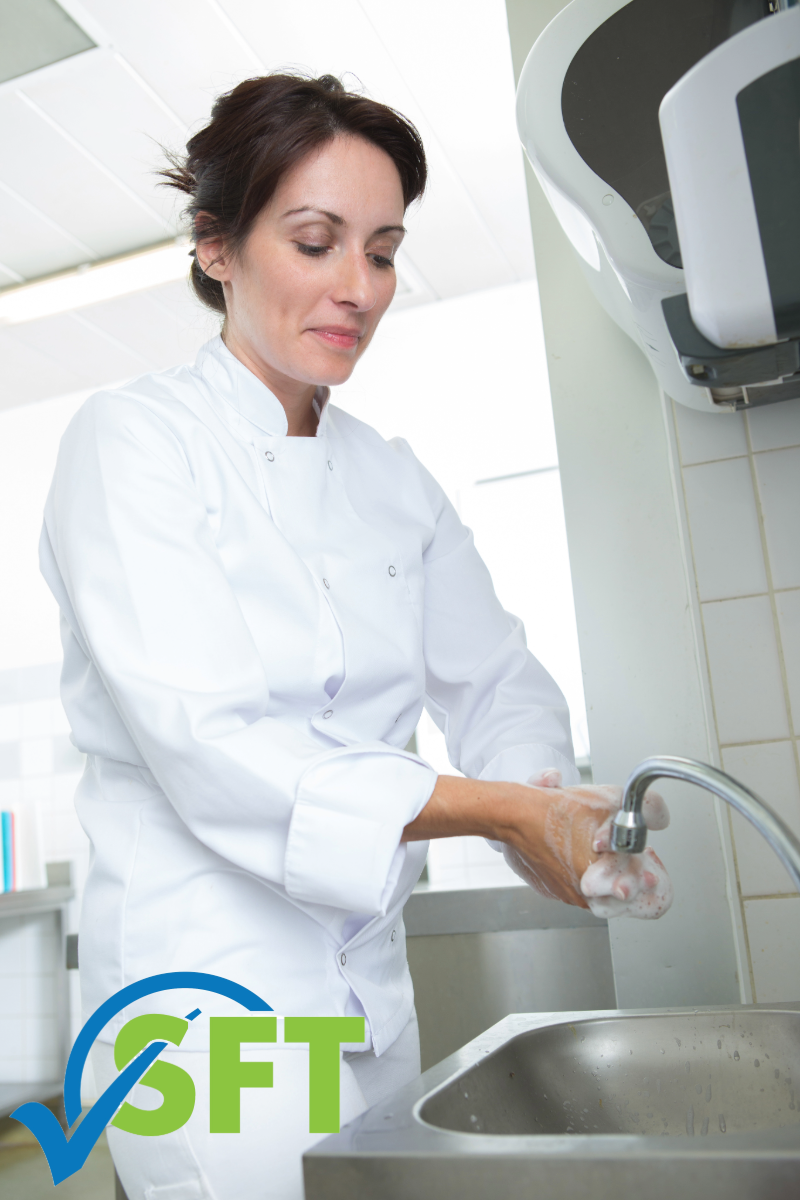
handwashing-food worker washing hands

As a certified food safety manager, you know that proper handwashing is the cornerstone of preventing foodborne illness. While the 20-second scrub is a critical skill taught in every certification course, your responsibility extends far beyond just the technique. The physical environment where handwashing occurs—the handwashing station itself—is a critical control point that demands constant oversight. A poorly maintained station can undermine even the best-trained staff, creating a weak link in your food safety defenses.

This guide will move beyond the basics to focus on three essential areas of management: perfecting the setup of every handwashing station. It will also reinforce the critical moments for hand hygiene and extend your high standards to guest-facing areas.

Perfecting the Setup: Anatomy of an Effective Handwashing Station

An effective handwashing policy is only as good as the tools you provide. Consider every designated hand sink, from the kitchen line to the employee restroom, as a vital piece of safety equipment. Your role is to ensure each one is always ready for service.

The Non-Negotiables: Soap, Towels, and Hot Water

Handwashing
Handwashing is vital for all kitchen staff.

A handwashing station is incomplete without its essential components. Staff should never have to search for soap or paper towels, as this creates a barrier to compliance. Always fill and make dispensers easily accessible. Furthermore, hot water is a requirement. Make it a part of your opening procedures to run the taps at each sink to ensure hot water is readily available, especially during colder months when pipes take longer to warm up.

Reinforcing Behavior with Visual Cues

Even the most experienced staff benefit from reminders. Placing a clear, simple handwashing instructional poster within view of every sink serves as a constant reinforcement of proper procedure. This simple tool helps maintain a consistent standard across your entire team, demonstrating a visible commitment to food safety.

Reinforcing the When: Critical Moments for Hand Hygiene

A certified food safety manager must instill in their team not just how to wash their hands, but also when. This requires diligent training and consistent oversight to build reflexive habits in your staff.

From Routine to High-Risk

Handwashing is required at routine intervals, such as before beginning a shift and after eating, smoking, or using the restroom. However, we must be cautious of high-risk tasks. The most critical of these is after handling raw animal proteins. This action must be automatic and immediate to prevent cross-contamination.

The Glove and Handwashing Connection

It’s a common misconception that wearing gloves replaces the need for handwashing. Gloves can be contaminated just like hands. Train staff to wash their hands before putting on new gloves and after taking them off. A change of task, especially from a raw to a ready-to-eat product, requires a glove change and handwashing.

Extending Standards: The Overlooked Guest Restroom

Your commitment to hygiene should not end where the kitchen does. Customer restrooms are a direct reflection of your establishment’s overall standards of cleanliness and safety.

A Reflection of Your Brand

A clean, well-stocked guest restroom conveys to your customers that you value their well-being. This area must have the same essential components as your staff stations: an ample supply of soap, paper towels, and readily available hot water. Failing to address this area can damage your reputation.

Promoting Public Health

While you cannot enforce health guidelines on customers, you can encourage them to follow them. Placing a handwashing poster in the guest restroom can gently promote proper hygiene and help reduce the spread of illness within your community, reinforcing your role as a responsible public establishment.

Ultimately, the diligence you apply to these seemingly small details separates an adequate food safety program from an exceptional one. As a certified food safety manager, your leadership in maintaining every handwashing station and reinforcing proper protocols is crucial to keeping your food, staff, and customers safe.

You can explore our comprehensive certification and renewal courses to ensure your entire team learns these critical food safety basics. 

Register for an upcoming course with Safe Food Training today!

A ServSafe MN Managers Expert Guide To Flu Season

A ServSafe MN Managers Expert Guide To Flu Season

The leaves are turning brilliant reds, yellows and oranges and kids are flocking back to school, all signs that fall is upon us, and with fall comes the start of flu season. Unfortunately, this flu season is complicated with the remnants of the coronavirus, so it’s especially important to take care of our health during these times to prevent the flu from being a factor in keeping our businesses open and functioning with a full staff. As we roll into the fall flu season, we should look at how ServSafe MN managers can help promote healthy habits among their staff.

A ServSafe MN Managers Expert Guide To Flu Season
Image credit: kimberrywood via 123rf

ServSafe MN Manager Tips for Flu Prevention

One of the biggest struggles with the upcoming flu season may be that flu-like illnesses and COVID-19 share similar symptoms, but our yearlong adventure of sanitation, wearing masks and washing hands frequently have prepared us to thwart the flu as well as the corona virus.

Proper handwashing is one of the most effective tools we have to fight the flu. In fact, proper handwashing will help prevent much more than the flu, it’s one of the most effective procedures ServSafe MN manager have in reducing the risk of spreading numerous types of illnesses foodborne or otherwise. It’s critical to make sure you have a fully stocked handwashing area with plenty of paper towels, soap, hot water and an up-to-date handwashing poster. Antiseptic solutions and hand sanitizers can add an extra layer of protection, just remember they are no substitute for handwashing and should only be applied after washing hands for 20 seconds.

It’s also important to take care of our personal health during the flu season. ServSafe MN managers should be aware that kitchens are hot environments, even when it’s cold outside, and extended periods of time in the heat can dehydrate staff members. Keep an eye on your staff and ensure they are getting adequate breaks to drink plenty of water and keep their energy levels high.

Finally, it’s important to reiterate that sick workers should stay home. Even if symptoms are mild, the flu and other illnesses can spread to the rest of the staff. If you’re sick, no matter what the cause, stay home, rest and come back when you’ve fully recovered without symptoms.

As a ServSafe MN manager, are you taking extra precautions to keep your staff healthy during the upcoming flu season?

Food Safety Training for Hygiene During Cold and Flu Season

Food Safety Training for Hygiene

Food service managers and professionals all know that proper personal hygiene helps keep the food you prepare safe from contamination, and, as we roll into cold and flu season, it can boost your staff’s resistance to bugs and stop them from unknowingly spreading illness to your guests. This week, we’d like to provide a quick online food safety training refresher course on personal hygiene standards for food service professionals.

Food Safety Training for Hygiene
Image credit: Burst via pexels.com

Hygiene and Food Safety Training Review

While food safety hygiene training is important all year long, this could be the best season to review these important issues with your employees:

  • Handwashing
  • Care of Cuts and Sores
  • Hair Covering and Restraints
  • Proper Clothing
  • Jewelry
  • When to be Excluded from Food Handling

Your facility must be equipped with a functional and fully stocked handwashing station. During periodic food safety training, review handwashing procedures and instruct employees to wash often, especially during cold season. Posting a Minnesota food code handwashing fact sheet near all handwashing stations conveniently provides a reference to procedures and a reminder to wash properly.

Taking care of cuts, sores and burns serves two purposes. First, it prevents blood, loose skin and other fluids that result from an injury from coming into contact with the food your staff prepares. It can also help maintain the injured worker’s health by preventing possible infections that could cause them to miss work or become ill. Make sure you have a first-aid kit handy and check often to ensure that it’s fully stocked with bandages, antiseptic and burn creams.

Your clothing and jewelry do more than provide a good look. Dirty clothes can spread illnesses, foodborne and otherwise. Make sure that your staff understands the importance of clean uniforms. Jewelry should not be worn in the kitchen, with the exception of a properly covered wedding band. Jewelry can potentially be covered in contaminates and infect food.

Finally, know when to send staff home or tell them to stay home when ill. Any staff experiencing flu-like symptoms should not work. This will help them get the rest they need to recover and reduce the chances they spread their illness to fellow coworkers and guests. Beyond cold and flu symptoms, food service professionals should stay home if they feel any effects of foodborne illness.

Do you commonly review hygiene procedures?