New And Improved Health Department Inspection Tips For CFPMs

Health Department Inspection Tips For CFPMs

Even though it’s inevitable, a visit from the local health inspector tends to surprise local restaurants and food production facilities. Rather than panic upon their arrival, we have a few ideas for CFPMs that can help your health department inspection go smoothly.

Health Department Inspection Tips For CFPMs
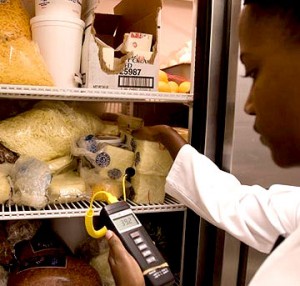
Image credit: wavebreakmediamicro via 123rf

Certified Food Protection Manager Tips for a Smooth Visit from the Health Department Inspector

The following tips will help you feel more at ease during your next visit from the health inspector:

  • Have all personnel’s food training certifications readily accessible
  • Ensure that your designated Person in Charge is available
  • Prepare to ask questions about your inspection report.

Often, the first item on an inspector’s checklist is to ensure that your Minnesota food manager certification and permits are up to date. Digging through files to locate the necessary permits can elevate your stress level and delay the inspection process. This delay can be easily avoided by readily displaying all necessary permits and certifications in a safe location, such as the managerial office.

Each health inspector’s routine varies. We have discovered through our conversations with them that most would like the on-duty manager to be close by to address their inquiries and guide them to the different areas of the facility that require inspection.

If you accompany the health inspector during their inspection, you can instantly access the information on the inspection report before they fill it out. The inspector will explain any possible violations in full and provide you with directions on how to resolve the issue. Take advantage of this time to have any concerns you have about your facility’s procedures and any rules you are unclear about explained to you. Once your inspector leaves, it’s often too late for clarification.

Dealing With Your Local Health Department

We have one final piece of advice when it comes to dealing with your local health department inspector. It’s important to understand they’re not there to punish your business. We see many CFPMs who feel that they’re being attacked or discriminated against. This simply isn’t the case. The Health Department has the same goals that you do. They want to see local businesses flourish, but they want to ensure that the food products being consumed are safe. While your business may be one of the cleanest in town, and you follow all regulations to the letter, it’s still important to partner with your inspector rather than immediately go on the defensive. This will lead to a long-term, friendly relationship that will benefit your business and the health of the local community.

Let us hear from you; any other suggestions or comments?… We’re listening.

When Can ServSafe Managers Expect the Surprise Health Inspector

When Can ServSafe Managers Expect the Surprise Health Inspector

Every so often, we get asked by prospective ServSafe food managers if they’ll receive a warning before the health inspector shows up at their food business. Well, if you’re doing everything right, reinforce a proper food safety culture in your establishment; does it really matter when the health inspector walks into your door? While there are no flashing lights, alarms or signs from above for Servsafe managers, there is an expected frequency for when your establishment requires a visit from a health department inspector.

When Can ServSafe Managers Expect the Surprise Health Inspector

How Often Can ServSafe Food Managers Expect a Health Department Inspection?

Your local health department commissioner schedules inspections during specific intervals depending on the risk category of your food establishment. The food code breaks down the food establishment inspection frequency into three categories:

  • High-Risk: Once at Least Every 12 Months
  • Medium-Risk: Once at Least Every 18 Months
  • Low-Risk: Once at Least Every 24 Months

While you won’t know exactly when they’ll show up, you can expect a visit within a regular time frame, but how do you know which type of food business you operate? Most restaurants, resorts, hotels with pools, catering companies and other establishments that prepare products in advance and cool and reheat products will be considered high-risk. A majority of food establishments fall into this category.

Medium-risk food establishments serve some potentially hazardous foods but with little time between preparation and service. These businesses usually only serve items such as pizza, fryer foods and sandwiches that are prepared and served immediately with minimal holding and limited time between preparation and service.

A low-risk food establishment offers food with very limited preparation. These can be coffee stands with prepackaged pastries, hotels with minimal food offerings or certain grab-and-go food services. These businesses will only see the inspector every two years and most may not require a ServSafe food manager for operation.

Regardless of what type of business you operate, your ServSafe food manager or designated person in charge in their absence should make themselves available when the inspector shows up. You don’t necessarily need to guide them throughout the facility, but it’s a good idea to be around them. Never make an attempt to stall the process, misdirect inspectors from certain areas of your facility or hinder the inspection in any way. This will help speed the process and allow them to ensure your food is being served in a safe manner. Remember, these inspectors aren’t there to find fault with your establishment or punish food business owners, they are there to ensure the safety of your product. Don’t be offended if issues arise, rather ask questions and find solutions to any violation before the inspector leaves your business.

Food Safety Manager and Health Inspector Interactions

Food Safety Manager and Health Inspector Interactions

There are times when running food safety manager courses when we hear a student ask how to deal with their local health inspector. We find that there are many misconceptions about the health department’s roll and what their goals are when they come to inspect food production facilities.  Let’s about the food safety manager and health inspector shared interest.

Food Safety Manager and Minnesota Health Inspector Interactions
Image Credit: Carroll County Health Department, Maryland.gov

The Food Safety Manager and Health Inspector Goals

We’ve heard some kitchen managers speculate that the health inspector is out to get them, and that their main purpose is to find as many violations as possible in order to shut restaurants down. We’d like to counter that this is absolutely not the case. The food safety manager’s goals should correspond with your local health department’s objectives.

As a Minnesota certified food manager, you are under an obligation to make sure that the food you serve is safe. The health inspector’s job is not to punish you for not following the health code to the letter, but to help you keep your food safe.

When the time rolls around for your inspection, provide any information your inspector needs to complete their task. Keeping all of your certification records in an easily accessible location goes a long way towards letting them get on with the inspection process. The inspector will greatly appreciate if you allow them to go about their tasks with minimal interference. They may have a question or request from time to time, so make sure that you make time to assist them when necessary. We suggest even walking along with them as they do the inspection if possible.

If they arrive during a busy shift, you’ll find that they’ll normally be more than patient and courteous enough not to interfere with your regular routine.

Once the inspection is complete, make sure that you go over the report before they leave. This is the ideal time to ask questions, seek advice for tricky food safety scenarios and get an overall report as to how well your facility protects its guests from food-borne illness.

Remember, both you, as a food safety manager and health inspector are working to achieve the same objective… keeping the food you serve to guests safe. Coordinating with an experienced professional such as your local health inspector can help you see your operation from a different perspective and refine your procedures.

How do you deal with your inspector when they visit your facility? Do you take time out of your day to interact with them, or do you let them go about their inspection as quickly as possible?

Food Manager Certification MN Guide to Setting the Table

Food Manager Certification MN Guide to bread basket reuse


Food Manager Certification MN Guide to bread basket reuse
Photo Credit: pixabay.com

When food safety in restaurants is discussed, front of the house topics are quite often ignored. In fact, when your local health inspector arrives for your yearly inspection they may never even set foot in your dining room. Over the course of our experience providing food manager certification in MN, we have noticed that there are several misconceptions as to what can be done when resetting a table after guests have left.


Food Manager Certification MN Guide to Setting the Table


We once had a food service professional who was concerned with his restaurant