A ServSafe MN Managers Expert Guide To Flu Season

A ServSafe MN Managers Expert Guide To Flu Season

The leaves are turning brilliant reds, yellows and oranges and kids are flocking back to school, all signs that fall is upon us, and with fall comes the start of flu season. Unfortunately, this flu season is complicated with the remnants of the coronavirus, so it’s especially important to take care of our health during these times to prevent the flu from being a factor in keeping our businesses open and functioning with a full staff. As we roll into the fall flu season, we should look at how ServSafe MN managers can help promote healthy habits among their staff.

A ServSafe MN Managers Expert Guide To Flu Season
Image credit: kimberrywood via 123rf

ServSafe MN Manager Tips for Flu Prevention

One of the biggest struggles with the upcoming flu season may be that flu-like illnesses and COVID-19 share similar symptoms, but our yearlong adventure of sanitation, wearing masks and washing hands frequently have prepared us to thwart the flu as well as the corona virus.

Proper handwashing is one of the most effective tools we have to fight the flu. In fact, proper handwashing will help prevent much more than the flu, it’s one of the most effective procedures ServSafe MN manager have in reducing the risk of spreading numerous types of illnesses foodborne or otherwise. It’s critical to make sure you have a fully stocked handwashing area with plenty of paper towels, soap, hot water and an up-to-date handwashing poster. Antiseptic solutions and hand sanitizers can add an extra layer of protection, just remember they are no substitute for handwashing and should only be applied after washing hands for 20 seconds.

It’s also important to take care of our personal health during the flu season. ServSafe MN managers should be aware that kitchens are hot environments, even when it’s cold outside, and extended periods of time in the heat can dehydrate staff members. Keep an eye on your staff and ensure they are getting adequate breaks to drink plenty of water and keep their energy levels high.

Finally, it’s important to reiterate that sick workers should stay home. Even if symptoms are mild, the flu and other illnesses can spread to the rest of the staff. If you’re sick, no matter what the cause, stay home, rest and come back when you’ve fully recovered without symptoms.

As a ServSafe MN manager, are you taking extra precautions to keep your staff healthy during the upcoming flu season?

Uncharted Flu Season Warning For MN Food Safety Managers

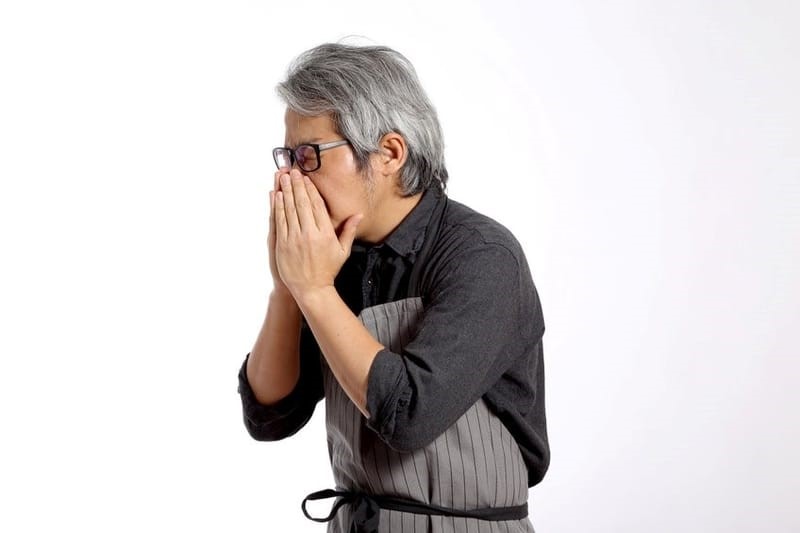
Uncharted Flue Season for MN food safety managers

Food safety managers in Minnesota and the rest of the world have had to take unprecedented precautions due to the COVID-19 pandemic and now are faced with balancing those precautions as well as monitoring employee health and hygiene as we approach the flu season. Due to the convergence of these two potentially debilitating illnesses, what can MN food safety managers do to protect their staff and their guests?

What can MN food safety managers do to protect their staff and their guests from the convergence of COVID19 and Influenza?
Image credit: Sorin Ciprian Suciu via 123rf

How MN Food Safety Managers can Prepare for Flu Season

While there is some speculation that COVID-19 precautions may help keep flu numbers low, it’s still very important to educate your employees on workplace food safety protocols surrounding influenza. The good news is that there is a great deal of overlap when it comes to influenza prevention and Coronavirus prevention. Food safety managers should remind employees of a few health and hygiene practices:

  • Wash hands often
  • Never work when sick
  • Return home for work if symptoms begin on the job
  • Wait at least 24 hours after symptoms vanish before returning to work

These should be standard practices in any food production business, no matter what the circumstance. MN food safety managers should not just assume that their staff will follow these rules, they should monitor the health and hygiene practices of their staff. Make sure that you post proper handwashing posters at all handwashing stations and monitor these stations often to make sure they are fully stocked with soap and paper towels. You should also take the time to verify that each handwashing station is supplying hot water.

Employees should be reminded that they should never work with symptoms of illness, flu or otherwise. Fevers, headaches, coughs, runny nose and other symptoms are red flags when it comes to influenza. Remind them to be extremely cautious and call in sick should they be displaying symptoms, no matter how mild. If symptoms begin while at work, food safety managers should make sure the potentially ill employee is sent home.

Finally, it’s important to wait at least 24 hours after recovering from flu symptoms before returning to work. Just because an employee wakes up feeling better than they did the night before, it doesn’t mean that they are no longer contagious. Considering the potential for a public health crisis involving both influenza and COVID-19, food safety managers may wish to extend this period to 48 hours before allowing an ill employee to come back to work.

Have you taken the time to remind your staff of good health and hygiene procedures as we roll into the flu season?