
A Tremendous Certified Food Manager Guide To Food Waste Control

Food Waste Control and Solutions for the MN Certified Food Manager

In any food production facility, whether it be a restaurant, industrial production factory or institutional facility, waste is always an issue of concern. A certified Food Manager know that food waste can eat into company profits, take away from other budgeted expenses and increase waste disposal costs. A recent article entitled “Reducing Food Waste Can Improve the Bottom Line and the Environment.” brings up some interesting points concerning this issue.
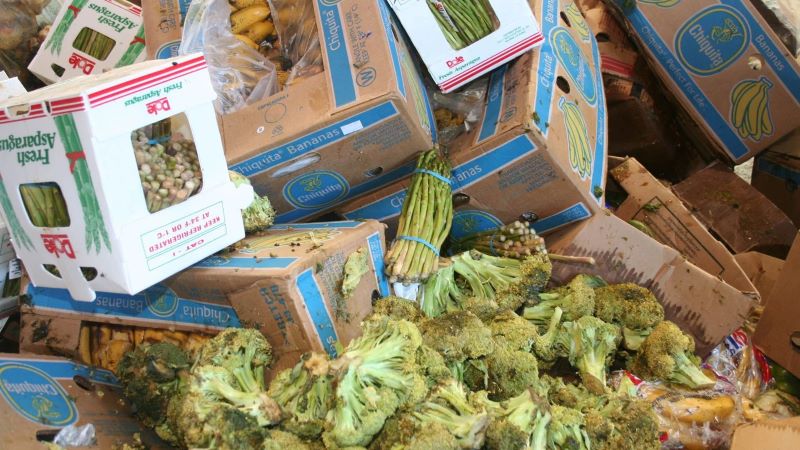
Certified food manager guide showing a pile of food waste

Image credit: friendsoftheearth.uk

Where Food Waste Comes From

It is usually not difficult to realize that you are wasting food product. You may notice fuller garbage cans and increased food spoilage in storage areas. It is important to discover exactly where your waste is coming from. Here are a few common causes of food waste.

  • Over production of prepared foods
  • Ordering more product than is needed
  • Preparation mistakes
  • Lack of controlled preparation methods

As a MN certified food manager, keeping close tabs of how much food product is order and what you need to prepare will go a long way towards reducing waste. Another key in keeping food waste in check is to have strict standards and procedures when it comes to production. Employees who are unsure of what ingredients need to be assembled, how much of any given food product they need and how to put them all together will generate waste of extra ingredients and over-produced product. A controlled set of procedures will ensure that everything that is produced is consistent and waste free.

What Should We Do With Our Waste?

Even under strict control, waste in the food industry is inevitable. The article we referenced earlier has some creative and useful ways to deal with waste.

  • Donate excess prepared product to charities that feed the needy in your community
  • Reach out to farmers who purchase food waste for animal feed and natural compost
  • Sell used grease and oil to producers of bio-fuels

The last place we want our waste to end up is in a land fill. With some careful planning and creative thinking we can not only reduce our waste, but in some cases generate income from it.
6 Important Tips For ServSafe Managers Using Local Growers

ServSafe Managers Should Consider When Using Local Farmers

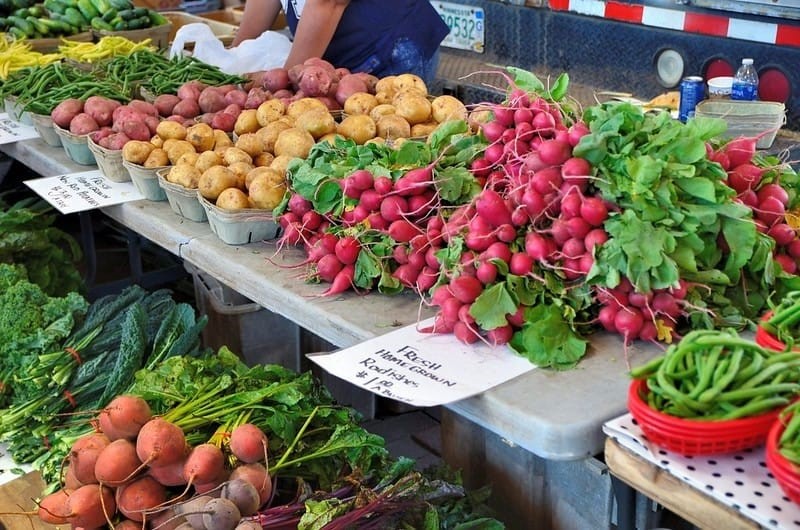
According to the Minnesota Department of Health, the use of local produce at MN food facilities has risen considerably in the last decade. While buying locally requires extra work and extra attention, the results are usually well worth the time. Local produce is fresher. Buying local food supports the community and the environment. There is growing consumer demand for local food. Using local produce can substantially increase a food establishment’s popularity. We created a list that ServSafe Managers should consider when sourcing produce from local growers.

6 Important Tips For ServSafe Managers Using Local Growers

Six Things for Restaurant Managers and ServSafe Managers To Consider When Using Local Farmers

This information is helpful for ServSafe Managers certification in MN.

  • Take Small Steps – It is easy to add a few items to existing menus.  For example, it’s possible to extend a salad bar to include local tomatoes and specialty greens in season. Local fruits and vegetables can replace the standard fare from a national distributor. Local varieties of root vegetables can substitute for more generic produce. Start small, and adjustments are easier to make.
  • Buy in Season – The great advantage of local produce is that it does not travel far. It is harvested at its peak of flavor and ripeness. It is consumed closer to the time of its harvest. Buying in season saves money and generally guarantees freshness. By keeping track of what is available throughout the growing season, ServSafe managers optimize their use of items from local growers.
  • Work With Distributors – Many distributors have expanded to include the local produce markets, at least in part. Check with your existing distributors to make sure they include local produce. As demand for local produce grows, so do services to provide that food effectively. Local distributors will have email lists, websites, phone hotlines and other means of letting their customers know what is available week to week.
  • Visit the Farm – Buying local produce is an investment in the local community. Farms frequently have visiting days during the harvest season. Checking the care, cleanliness, and competence of farm production and personnel will build confidence and a good working relationship with local growers. Local growers should be aware of requirements for ServSafe managers certification.
  • Plan Effectively – Using local produce requires flexibility. Buy produce in season. Take advantage of weekly specials. If a local product is not available, the distributor may offer a substitute. Keep a close eye on spoilage, and rotate what’s been purchased. Use produce as close to purchase time as possible.
  • Keep Track – Take special care to check in orders for local produce, especially as there may be numerous small orders in each delivery. Always get a receipt, and save it. Document and analyze your purchases to determine if the use of local produce is cost-effective.

These are some of the challenges and benefits to food service and restaurant managers when using local produce. As a certified ServSafe Manager do you treat locally grown food differently then food from national suppliers?