New And Improved Health Department Inspection Tips For CFPMs

Health Department Inspection Tips For CFPMs

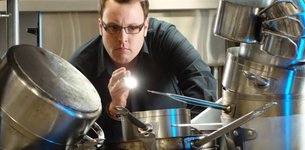
Even though it’s inevitable, a visit from the local health inspector tends to surprise local restaurants and food production facilities. Rather than panic upon their arrival, we have a few ideas for CFPMs that can help your health department inspection go smoothly.

Health Department Inspection Tips For CFPMs
Image credit: wavebreakmediamicro via 123rf

Certified Food Protection Manager Tips for a Smooth Visit from the Health Department Inspector

The following tips will help you feel more at ease during your next visit from the health inspector:

  • Have all personnel’s food training certifications readily accessible
  • Ensure that your designated Person in Charge is available
  • Prepare to ask questions about your inspection report.

Often, the first item on an inspector’s checklist is to ensure that your Minnesota food manager certification and permits are up to date. Digging through files to locate the necessary permits can elevate your stress level and delay the inspection process. This delay can be easily avoided by readily displaying all necessary permits and certifications in a safe location, such as the managerial office.

Each health inspector’s routine varies. We have discovered through our conversations with them that most would like the on-duty manager to be close by to address their inquiries and guide them to the different areas of the facility that require inspection.

If you accompany the health inspector during their inspection, you can instantly access the information on the inspection report before they fill it out. The inspector will explain any possible violations in full and provide you with directions on how to resolve the issue. Take advantage of this time to have any concerns you have about your facility’s procedures and any rules you are unclear about explained to you. Once your inspector leaves, it’s often too late for clarification.

Dealing With Your Local Health Department

We have one final piece of advice when it comes to dealing with your local health department inspector. It’s important to understand they’re not there to punish your business. We see many CFPMs who feel that they’re being attacked or discriminated against. This simply isn’t the case. The Health Department has the same goals that you do. They want to see local businesses flourish, but they want to ensure that the food products being consumed are safe. While your business may be one of the cleanest in town, and you follow all regulations to the letter, it’s still important to partner with your inspector rather than immediately go on the defensive. This will lead to a long-term, friendly relationship that will benefit your business and the health of the local community.

Let us hear from you; any other suggestions or comments?… We’re listening.

A New Look At Delivery Drivers and Food Safety – Part 2

Food Safety Certification MN and Providing Delivery Services

Last month we investigated how food delivery apps work and whether or not they were monitored by your local health department. Following that article, we thought that it would be helpful to provide some food safety information and tips for restaurant outlets that provide their own delivery service to their loyal customers.

Food Safety Certification MN and Providing Delivery Services
Photo credit: www.flickr.com

Food Safety Hints For Providing Delivery Services

This biggest issue with food delivery is that there is a high risk that the food’s temperature will fall into the danger zone. If your product falls between 140 and 40 degrees during delivery, there is a risk of bacteria growth. Many chain restaurants employ the use of insulated containers to keep their food hot during delivery. We strongly urge you to talk to your local culinary supply store about obtaining several of these containers. Before you begin providing delivery to your customers. We also suggest that you consider limiting your delivery range. A smaller delivery area means you can deliver hot food product to your customers in a timely manner.

The rules for keeping cold foods safe for consumption after delivery is more straightforward than those for hot foods. Refrigerated items may go without refrigeration for up to two hours according to the Minnesota Health Code. This means that your salads and sandwiches and other cold items kept in sanitary containers should be safe for delivery. Be aware that raw animal protein items such as sushi are much more sensitive than other cold products. If you are planning on delivering any raw or undercooked proteins. You may wish to consult with your local health inspector.

Non-Food Safety Considerations for Delivery Services

There are other aspects besides food safety that you should plan for if you are considering offering delivery service. Keep in mind that you will need to have additional staff available to provide this service. Be sure to get the right balance of staff to handle the new service. You want to avoid a negative impact on your current services or long waits for delivery. Neither scenario is good for building a satisfied customer base or increasing employee morale on busy evenings. Having an extra hand available on weekends and during peak times will be a key element in helping you offer delivery services to your clientele.

Finally, make sure that your delivery drivers have received food safety training from a certified food protection manager. They are vital members of your team and will be essential in seeing that your product arrives to your customers in a safe-to-eat state.

Are you extending your food services to clients who wish to have their meals delivered? At Safe Food Training, we’d like to know your thoughts on how you plan to keep your meals safe during delivery.

Food Safety Training and Non-Continuous Cooking

Non-Continuous Cooking

In our research into upcoming MN food code changes, we’ve noted a new addition; non-continuous cooking. This means that as long as certain parameters are met, you can halt the cooking process for certain items and finish at a later time. Many risks exist when cooking is halted, so this week we’d like to discuss how to safely prepare food using this method.

Non-Continuous Cooking
Non-continuous Cooking Image Credit: Army.mil

A Non-Continuous Cooking Food Safety Training Guide

We must first point out that in order to prepare raw animal foods using a non-continuous cooking method, you must have a well-documented written procedure and obtain approval from your local health department. You should provide safe food training to your staff on this process and develop written instructions that include the following information:

  • Initial Cooking Time
  • Cooling Method
  • Storing Procedure
  • Reheating Method

If you do not plan on cooking raw animal product all the way to the appropriate temperature, you can only halt the process if the initial cooking time is under 60 minutes. After 60 minutes, you must continue the cooking process until an acceptable internal temperature has been reached.

Once you halt the cooking process, you must bring the internal temperature down to 41-degrees as soon as possible. This will prevent undercooked meat product from resting at temperatures known to speed up the growth of potentially dangerous bacteria. Once cooled, the par-cooked product must remain under proper refrigeration.

Finally, when it comes time to finish the cooking process, remember that your product must be fully cooked to the proper temperature.

It’s important to stress and repeat that if you plan on using this method for any raw animal product, you must have well-documented plan and regulatory approval.

Once this new MN food code rule goes into effect, we’ll monitor enforcement and provide more food safe training on this topic in the future. How do you feel about the allowance for non-continuous cooking?