
Bird Flu in 2025: What Every Certified Food Protection Manager Needs to Know

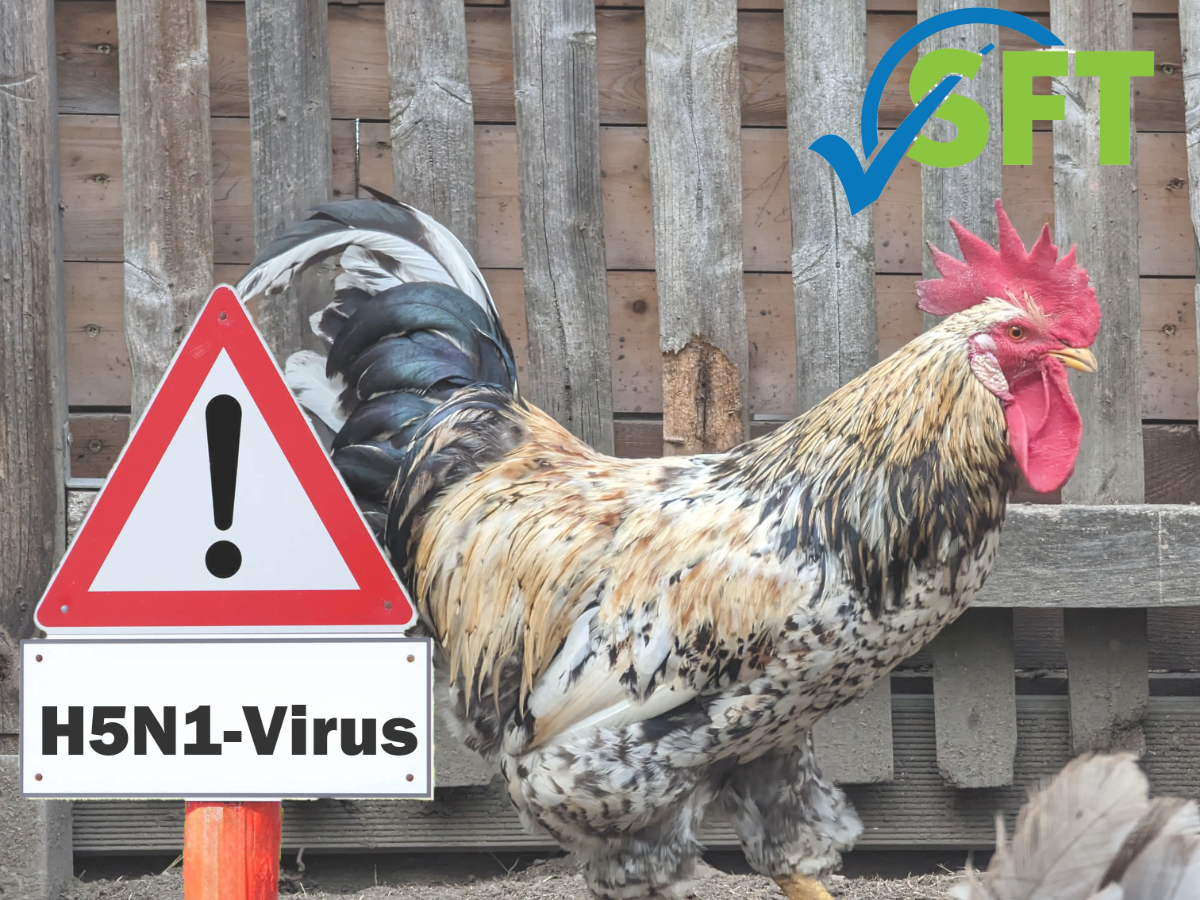
bird flu-h5n1-virus sign
Guy in protective gear examining a chicken.
Don’t worry about the bird flu. Just prepare food at safe temperatures!

As we progress through 2025, the ongoing avian influenza (H5N1) situation, commonly referred to as bird flu, continues to require the attention of food service professionals across Minnesota. For the certified food protection manager, understanding the risks and reinforcing safety protocols is fundamental to protecting public health. Your role in upholding Minnesota food safety standards is more critical than ever, despite the low public threat.

The good news is that established food safety practices are highly effective against the virus. Properly handling and cooking poultry to an internal temperature of 165°F kills the avian influenza virus, which means your standard procedures are your best defense.

Understanding the Current Situation

It’s essential to stay informed without becoming alarmed. The CDC’s risk assessment for the H5N1 virus has stated that the risk to the general U.S. population is low. However, vigilance in a professional setting is key. 

The situation remains dynamic, with the user-provided draft noting 70 confirmed human cases and one death in the U.S. as of late June 2025. This highlights the need for stringent professional standards.

  • Impact on Supply: The poultry industry has been significantly affected, with millions of birds impacted by Highly Pathogenic Avian Influenza (HPAI). This can impact supply chains and underscore the importance of diligence in sourcing products.

  • Low Transmission from Food: Health authorities have consistently emphasized that properly handled and cooked poultry and eggs are safe to consume. The system of inspection and safe handling protocols helps ensure affected products do not enter the food supply.

  • Focus on Prevention: For the certified food protection manager, the focus is not on the field-level outbreak itself, but on preventing cross-contamination and ensuring all poultry products reach a safe cooking temperature.

Key Minnesota Food Safety Protocols for Avian Flu Prevention

Your leadership in implementing and enforcing food safety measures is the most powerful defense. Re-emphasize these core principles with your team to address any concerns related to avian flu and other foodborne pathogens.

  • Verify Your Sources: Now is an excellent time to communicate with your suppliers. Ensure they are following rigorous biosecurity and testing measures for their poultry products. This is especially important for farm-to-table establishments that source directly from local Minnesota producers.

  • Enforce Strict Temperature Control: This is a non-negotiable kill step. Cook all poultry, including whole birds, pieces, and ground products, to a minimum internal temperature of 165°F (74 °C). Use a calibrated food thermometer to verify the temperature in the thickest part of the product.

  • Heighten Sanitation and Prevent Cross-Contamination: Raw poultry and its juices can contain various pathogens. Reinforce cleaning and sanitation protocols for all surfaces, cutting boards, and equipment that come into contact with raw chicken. Emphasize the importance of frequent and thorough handwashing for all staff after handling raw poultry.

Training Your Team for Heightened Awareness

baby chick
Certified food protection managers don’t have to worry about the bird flu if they follow proper cooking protocols!

An informed team is a safe team. As a certified food protection manager, it’s your responsibility to ensure every staff member understands their role in protecting your customers and your establishment’s reputation.

  • Communicate Clearly: Hold brief pre-shift meetings to discuss the importance of your establishment’s poultry handling and cooking procedures. Use this as an opportunity to answer questions and dispel any misinformation.
  • Focus on the “Why”: Don’t just tell your team to cook chicken to 165°F; explain that this temperature effectively destroys viruses like H5N1 and bacteria like Salmonella. A well-understood protocol is more likely to be followed.
  • Invest in Ongoing Education: The food safety landscape is always evolving. Regular training and continuing education are essential for maintaining your team’s skills and keeping them up-to-date on emerging challenges. This is a core component of maintaining a robust Minnesota food safety culture.

By staying informed and doubling down on the foundational principles of food safety, you can confidently navigate the current avian flu situation. Your expertise as a certified food protection manager is the cornerstone of a safe dining experience for all Minnesotans.

Ready to enhance your team’s knowledge or get your required certification? Safe Food Training offers personalized, instructor-led options for your food safety certification in MN and continuing education needs. 

Book your continuing education training and ensure you and your team are prepared for any challenge.

Avian Flu Surge: Cases Soar and Poultry Crisis Hits Indiana

Avian Flu Outlook

The ongoing avian flu (H5N1) outbreak has raised significant concerns regarding public health and agriculture. As the virus continues to affect poultry populations, understanding its implications is crucial for food protection managers and stakeholders in the agricultural sector.

Human Avian Flu Case Update

Recently, two individuals in the United States were hospitalized with H5N1 infections, one in Wyoming and another in Ohio. Both cases involved exposure to infected birds. While the patients are currently recovering, these incidents underscore the rarity of human infections. Health officials emphasize that there has been no evidence of human-to-human transmission. This is a critical factor in managing public health responses.

More Egg Layers Culled

Image credit: alsavavia 123rf

The impact of H5N1 (avian flu) on the poultry industry has been severe, with significant outbreaks reported across commercial farms. In Ohio alone, over 3 million hens have been lost due to the virus. This has led to substantial economic consequences, including egg shortages and rising prices. To combat the spread of the virus, measures such as culling infected flocks and enhancing biosecurity protocols are being implemented across affected areas.

In Indiana, the situation has also become concerning, with recent detections of H5N1 in multiple poultry flocks. In the past week alone, eight new cases have been reported. Local farms and wildlife have been affected. The Indiana Department of Agriculture has responded by increasing monitoring efforts and issuing public advisories to keep the community informed about the risks associated with avian flu.

To mitigate the risks associated with H5N1, poultry farmers and bird owners are encouraged to adopt stringent biosecurity measures. This includes limiting access to poultry farms and maintaining proper sanitation practices. Ensuring that any sick or dead birds are reported to local authorities immediately is also critical. For the general public, it is essential to understand that properly cooked poultry and eggs remain safe to consume, thereby minimizing unnecessary panic.

In conclusion, the avian flu outbreak highlights the importance of vigilance. Adherence to health guidelines is crucial. Ongoing efforts by health and agricultural agencies are critical in managing and containing the outbreak. This ensures that both public health and the poultry industry are protected. By staying informed and proactive, food protection managers can play a vital role in safeguarding the food supply and public health during this challenging time.