Food Safety Training and the use of Hand Sanitizers

Food Safety Training Hand Sanitizes

The FDA recently issued a warning letter to the makers of Purell sanitizer asking them to stop claiming their sanitizer kills norovirus, Ebola, influenza and other viruses. If you read the report closely, you’ll find that the FDA never said that sanitizers don’t kill these viruses, there just isn’t the scientific study to back up Purell’s claims. In light of this warning, how should we adjust our food safety training to teach food service employees the proper use of hand sanitizers?
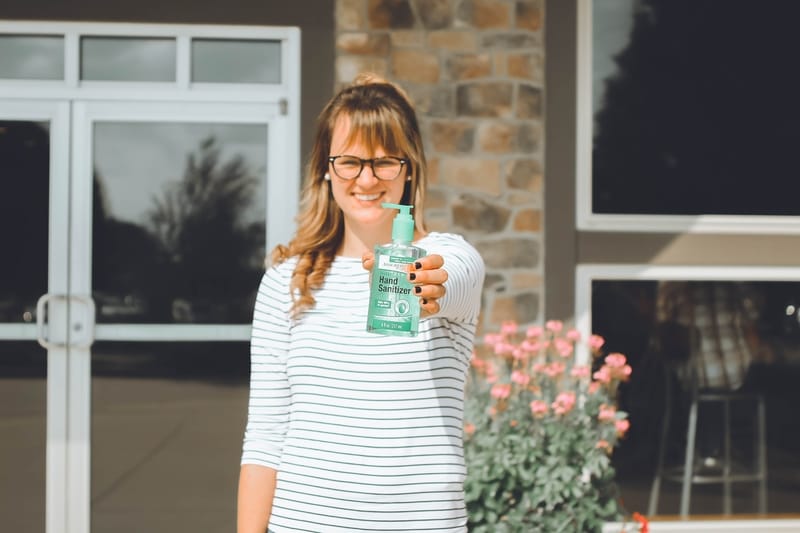
Food Safety Training Hand Sanitizes
Image credit: Anna Earl on Unsplash

Hand Sanitizers and Food Safety Training

When delving into this topic, it’s important to start off with one vital truth:

Hand sanitizers are not a substitute for handwashing.

When discussing food safety protocols with your staff, it’s important that they understand proper handwashing is the most effective way to kill germs and prevent the spread of foodborne, viral and bacterial illness. While hand sanitizers may advertise that they kill viruses and bacteria, they can never take the place of handwashing. So is there any instance where hand sanitizers or antiseptics are allowed in the kitchen?

While the Minnesota food code is adamant that sanitizers are not an effective replacement for handwashing, they do allow for the use of sanitizers in the kitchen.

Foodservice workers can use antiseptic gels or liquids after they have washed their hands properly. This can add an extra layer of protection, but only when used properly after a good handwashing. They should never be used before handwashing, or when timing makes the washing of hands inconvenient. Remember, handwashing should never be inconvenient, and paying close attention to handwashing habits will help prevent the spread of foodborne illness.

When it comes to the norovirus, the flu or Ebola, it’s always good practice to teach proper handwashing techniques that can be used at work or at home.

Certified Food Protection Managers and Farmer’s Markets

Certified Food Protection Managers and Farmers Market

One of the great things about living in our state is the unbelievable bounty of fresh produce available in the summer and fall at local farmer’s markets. Local restauranteurs and certified food protection managers love to source ingredients locally and many feel that advertising fresh ingredients grown by members of the farming community draws customers in, but can food purchased at the farmer’s market be used in commercial kitchens?

Certified Food Protection Managers and Farmers Market

Certified Food Protection Managers Guide for Farmers Market Ingredients

Fresh product, especially produce, is the key to making any dish great, and it doesn’t get much fresher than buying from a local producer at a farmer’s market. There are no regulations prohibiting the use of ingredients purchased at the farmer’s market, but certified food protection manager training tells us that we should take precautions and be prudent to make sure they purchase their product from safe sources. Here’s a few tips to making sure you’re purchasing quality ingredients that won’t sicken your customers:

  • Inspect product for traces of quality and freshness
  • Be smart about your sources
  • Only purchase wild mushrooms from licensed vendors

Of course chefs and Minnesota certified food protection managers are going to take a close look at the product they purchase, but the same inspection process should happen even when only purchasing a few items at the market. Take a close look for excess dirt or other contaminants as well as signs that a pest has been nibbling on the product somewhere between the farm and market. Most pesticides will be invisible, but if you notice an overly waxy texture or odd sheen to produce, there’s a chance it has been treated with something to resist insects or make it look more attractive.

Secondly, purchase products from farms and vendors you trust. Depending on the circumstances, vendors may or may not be required to obtain a license to set up a booth, but a license does not necessarily mean that all proper food safety protocols have been followed. We suggest you buy from booths that represent farms you know and avoid unaffiliated produce vendors.

Finally, only purchase mushrooms from certified vendors. The Minnesota Food Code requires wild mushroom harvesters to be registered as a mushroom expert to prevent bad mushrooms from sickening or even possibly killing anyone who consumes them.

Do you take advantage of local Minnesota farmers markets to bring freshness to your menu?