
Professional ServSafe Food Managers Can Immediately Improve Grease Trap Safety

Professional ServSafe Food Managers Can Immediately Improve Grease Trap Safety

Nearly every restaurant or food processing facility that prepares hot food deals with grease and other liquids that are a byproduct of creating their product. Most ServSafe managers ensure that the waste from this process goes into grease traps or some other receptacle rather than leaving it on preparation surfaces to contaminate food cooked later. This grease will often settle into traps, and if ServSafe food managers do not properly take care it could pose a food safety risk or even a fire hazard.

Professional ServSafe Food Managers Can Immediately Improve Grease Trap Safety
Image credit: davit85 via 123rf

The Importance of ServSafe Food Managers Cleaning Grease Traps in Kitchens

Grease traps are commonplace in nearly every kitchen, so make sure you inspect, empty and clean grease traps that are located:

  • Under good vents
  • In ovens
  • Under grills and fryers

Every employee who works in your kitchen should be aware of your grease trap locations and how to remove the drainage receptacle. Some, such as traps under grills and flat cooking surfaces, slide in an out like a drawer while others, like under hood vents, are pans held in place under drainage areas. ServSafe food managers should take the time to train their staff how to remove these grease traps safely without spilling their contents or burning themselves on hot oil.

In ServSafe food manager training when we talk about clean grease traps, we don’t simply mean empty ones. Grease traps should be emptied on a regular basis and cleaned thoroughly. If the trap is completely removable, take the time to clean and dry it before replacing it. It’s also important to clean the areas around the traps to ensure all grease and oil is removed. Leaving grease behind can attract insects or even large pests such as rats if ignored for long periods of time.

Finally, don’t pour grease down your sink drains. This can cause buildup in your pipes, become a breeding ground for insects and damage your plumbing system. Check with your local waste disposal company for options on recycling your leftover grease.

Has you taken the time to thoroughly clean your grease traps lately?
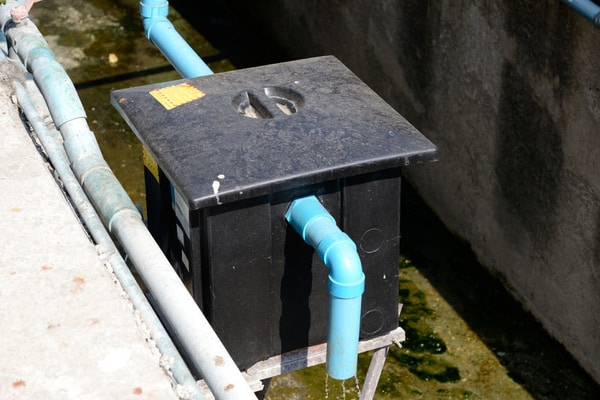
Online Food Safety Course Guide to Restaurant Grease Traps

Online Food Safety Course Guide to Restaurant Grease Traps

We learn in online food safety courses that grease causes health risks by attracting pests such as rodents, cockroaches and fruit flies, and greasy areas in your restaurant breed bacteria that potentially finds its way into prepared dishes. While wiping down counters and keeping grease traps empty in deep fryers and grills goes a long way towards reducing risk, there is an often overlooked part of grease control that must be taken care of.

Online Food Safety Course Guide to Restaurant Grease Traps
Copyright: nongpimmy / 123RF Stock Photo

Proper Maintenance of Restaurant Grease Traps

Many food production facilities have a grease trap located out of sight that prevents grease from entering the waste water system. It is important to make sure that it is properly cleaned and maintained. Ignoring this safety device can cause hazards such as:

  • Sewage backups
  • Slow drainage
  • Pest infestations

An improperly maintained grease trap eventually prevents wastewater from entering the sewage system. This causes your drain to run slowly, and could cause contaminated water to back up into your facility. A sewage backup digs into your profit margin as a plumber must be called in, product exposed to contaminated wastewater must be disposed of and you might be forced to close your doors while the problem is resolved.

Excess grease increases the risk that insects and other unsanitary pests find their way into your facility, and if your grease trap becomes clogged, fruit flies could propagate in your drainage system before you’re even aware of a problem.

We need to note that grease that collects in these traps must be disposed of properly. Many local sources offer grease collection services. They properly recycle collected grease for you, and some companies may even pay you for the grease you collect over time depending on the amount and quality of your grease.

Grease control is only one topic covered in an online food safety course. Are there any other topic that you’d like us to expand on in the future?