
Certified Food Safety Managers and Plastic Reduction

food safety managers plastic reduction

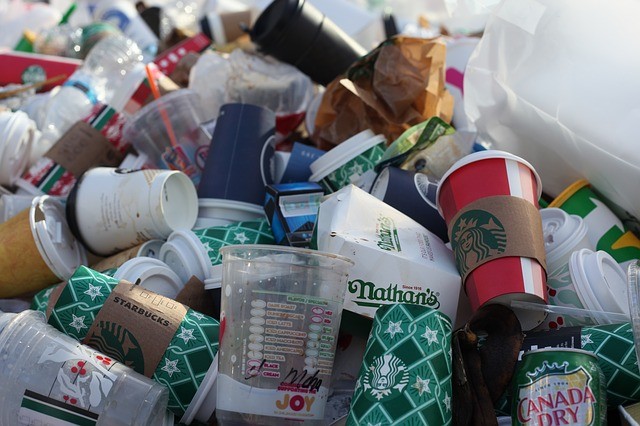
Over the past few years, some jurisdictions have sought to reduce the amount of plastic used in the foodservice industry, and while some businesses have been hesitant to make the change, many have embraced it. Eliminating plastic appeals to a wide selection of environmentally conscious consumers and can also potentially reduce the amount of waste your business produces. This week, we’ll cover a few plastic reduction alternatives certified food safety managers can utilize in their establishments.

food safety managers plastic reduction
Image credit: maxpixel.net -Coffeetogo

Plastic Reduction Alternatives for Certified Food Safety Managers

If you were to take a quick tour of any restaurant, you’d find a number of plastic items. To-go boxes, bags, straws, utensils and take-out serving dishes are all commonly made from plastic. Whether you’re voluntarily reducing your plastic usage or your local jurisdiction has passed codes and laws preventing plastic use, your certified food manager will have to find alternatives for these types of items. Here are a few solutions that you can employ to replace plastic necessities in your facility:

  • Paper and compostable boxes and bags
  • Reusable takeout containers
  • Biodegradable utensils and straws

In the past, plastic bags and Styrofoam to-go containers have been go-to packaging for guests looking for take-out or a way to bring leftovers home. With current trends, many different manufacturers have started producing paper bags and compostable boxes that are either easily recyclable or will break down over time rather than take up space in a landfill. These items may cost a little bit extra, but as more companies produce these products costs should begin to decline.

With the latest update to the Minnesota Food Code, the rules concerning reusable containers have been updated and more clearly outlined. Reusable containers not only reduce plastic waste, they give you the opportunity to sell or provide your guests with reusable take-out containers with your logo and branding on them. This can not only help to conform to local plastic reduction codes but provide a valuable marketing tool for certified food managers to draw repeat business from loyal guests.

Straws and utensils such as forks, spoons and knives present unique challenges since many consumers prefer a sturdy utensil that won’t break during use. The good news is that many companies are now producing durable wood alternatives and great advances have been made to produce robust biodegradable utensils that can easily replace plastic.

Are you making an effort to reduce plastic waste in your facility?

New Food Safety Training for Reusable Takeout Containers

Food Safety Training for Reusable Takeout Containers

Over the past few months, we’ve been covering upcoming changes to the Minnesota Food Code, and in the course of our research, we’ve come across a proposed rule that allows food outlets to utilize reusable takeout containers for food and beverages. Since these containers are not always stored on site, adapting to this new opportunity will take a quick food safety training for reusable takeout containers. A simple procedure adjustment that will assure your product can be delivered in reusable containers with minimized risk of spreading food-borne illness.

Food Safety Training for Reusable Takeout Containers
Image credit: webstaurantstore.com

A New Guide to Food Safety Training for Reusable Takeout Containers

A reusable take-home container prevents wasted paper products, and potentially reduces supply costs for food service providers. If you plan on supplying reusable takeout containers to your customers, you should follow these guidelines in the food code.

  • Use  only containers designed and constructed for reuse
  • Takeout containers must be initially provided by the food establishment
  • You must always clean, sanitize and inspect for food particles before refilling

Your local food service provider or restaurant supply store should have plenty of options for refillable containers that meet the health department’s criteria. It’s important to note that guests cannot bring a container from home and ask to have it filled with food. These containers must initially come from your facility. This provides two opportunities for business owners. First, it allows you to ensure that the container is safe for food. If you know where the container comes from it will be greatly reduce your risk. Secondly, marketing opportunities abound if you supply custom containers with your business’ logo and contact information. Having a refillable container that reminds customers of your establishment generates more revenue from return visits.

Always clean, sanitize and inspect  returned containers at your facility. Also note, a guest cannot fill a reusable food container. The code requires an employee of the establishment fill the take-home food receptacle.  Guests may fill beverage containers, however, if there is a contamination-free transfer process.

Considering the potential to reduce waste and packaging cost along with the branding/customer loyalty possibilities; will you provide your team with food safety training for reusable takeout containers and try this new takeout option once the rules take effect?