In one of our Certified Food Protection Manager training classes during our recent record breaking cold snap, a student asked “whether CFPMs use freezing or refreezing foods to kill bacteria in meat products and ready-to-eat foods? If we store our product outside in the snow at negative 30 degrees, it should be too cold for bacteria to survive, right?”
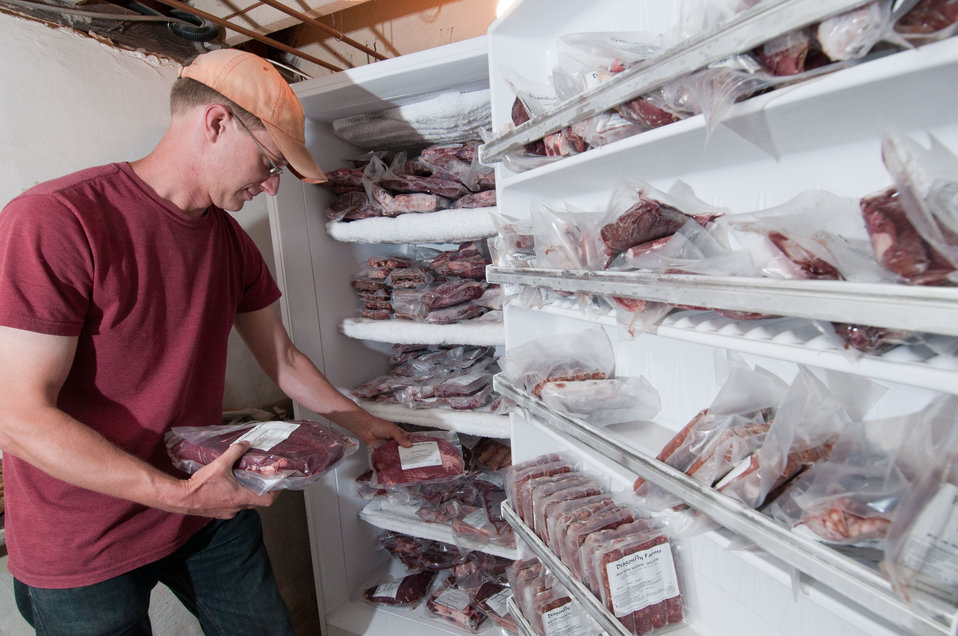
Freezing product properly does in fact promote food safety and reduce the risk of food-borne illness, but simply freezing everything potentially increases the risk of food-borne illness and gives a false sense of security as to how safe the food we serve really is.
CFPMs Use Freezing for Food Safety
Before we get into our discussion, it’s important to answer the question, “Does freezing proteins kill bacteria?”
There’s a lot of misinformation out there concerning how germs and bacteria react to sub-zero temperatures, but we learn in online Certified Food Protection Manager training, freezing food does not kill bacteria. Freezing food stops the growth of germs and bacteria, so effective use of your freezer to store product that isn’t intended for immediate use keeps bacteria at bay while preserving food for later use. Cooking meats, ready-to-eat foods and other products to the proper temperatures is the only way to actually kill bacteria. Freezing solidly for at least a week will kill parasites but not bacteria.
So, when can CFPMs use freezing to safely store product?
If you don’t plan on using incoming product soon, freeze it as soon as possible. This will add life to your product, and prevent the slow growth of bacteria. Letting your meats sit under refrigeration for a few days and then deciding you’re not going to use it can pose a bacteria risk, depending on what type of product it is. Fish and seafood have a limited shelf life, so while freezing it will slow the growth of contaminates, it will still contain those harmful bacteria when thawed.
Cooked foods need to be cooled properly before freezing them. Cooked product must be chilled in an ice bath or in small portions. For example, a large, warm pot of soup cannot be simply put into a freezer in a large bucket. Bacteria will grow as the soup sits in the danger zone while freezing and wake up when the soup is eventually thawed. The same goes for cooked roasts and large amounts of meat.
Finally, a caution against freezing thawed product. Product thawed in the microwave or under running water cannot be re-frozen. Food properly thawed under refrigeration may be re-frozen if done so in a reasonable time frame, but we recommend against this as thawing and re-freezing can cause quality issues with your product.
Do you have a regulated method to control freezing and thawing of your product?