
Food Safety Training and Salmonella Linked to MN Juice Bar

Last month, the Minnesota Department of Health announced they were investigating a salmonella outbreak linked to Nektar juice bar in Woodbury. At least nine people were sickened, but due to the nature of salmonella there’s a good chance that more patrons were afflicted. Symptoms of the bacteria can sometimes be either too mild to recognize as food poisoning or require medical attention. It should also be noted, that the nine customers stricken with salmonella symptoms reported ordering a variety of items including bowls, smoothies and juices. With such a variety of menu items attributed to this outbreak, the Department of Health has yet to determine the exact ingredient that spread the illness, What food safety training practices could have helped to prevent the recent salmonella outbreak?
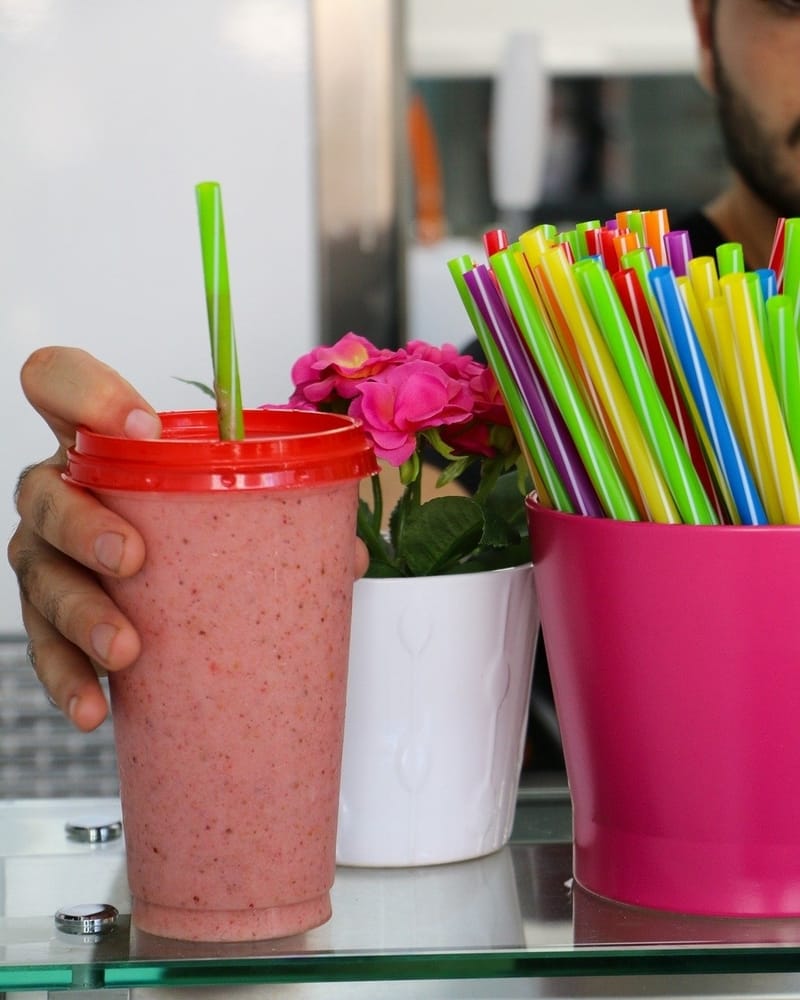
What food safety training practices could help prevent salmonella outbreaks?
Image credit: orentodoros via pixabay

Food Safety Training and Equipment Sanitation

While we’re not familiar with the specifics of the case, we do have a possible scenario that may have led to this outbreak which sickened at least nine and hospitalized two. A gap in food safety training when it comes to sanitizing equipment may have been a factor in this outbreak.

In juice bars, the same blender or preparation surface are often used for many different purposes, so there may have been a lack in sanitation in between serving customers. If an ingredient was unknowingly compromised with salmonella bacteria and this bacteria contaminated any piece of equipment or preparation surface then it could have easily spread to other items containing different ingredients. It’s not necessarily required to sanitize every surface that comes into contact with vegetable matter if that surface is going to be used immediately for another type of fruit or vegetable, but it may be a wise precaution. The same goes for equipment such as wand blenders and mixers. If a contaminated leafy green was prepared on a cutting board which was then immediately used to chop carrots, no food safety training principle was violated, but yet salmonella could have spread to an ingredient that was not previously contaminated.

So how do food safety managers prevent these kinds of contamination? Here’s a few brief tips:

  • Sanitize all surfaces after use
  • Invest in more equipment if certain preparation tools are used frequently
  • Take the time to sanitize equipment after every order

It’s important to note that Nektar Juice Bar did do the right thing after this incident came to light. As soon as the outbreak was traced back to their location, they restocked their ingredient supply and took the time to completely sanitize their establishment. Are you prepared to prevent foodborne illness due to equipment contamination?
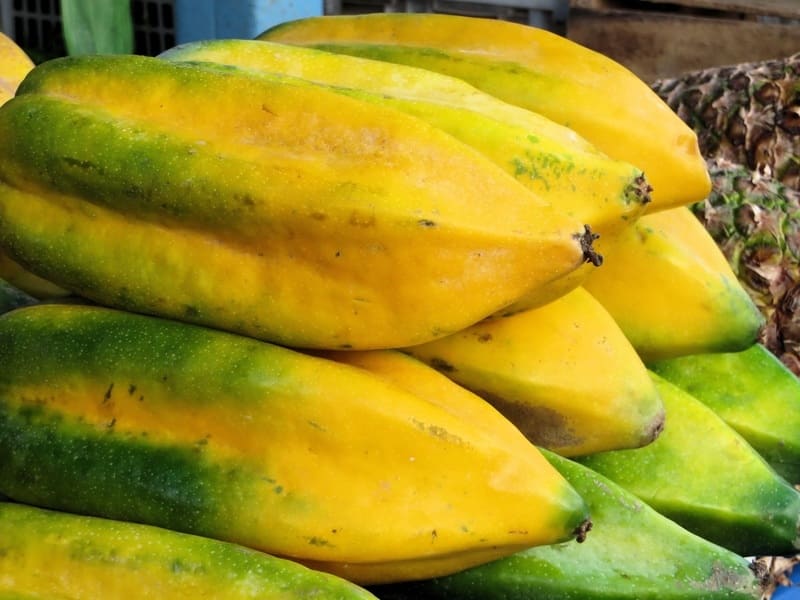
ServSafe and Salmonella on Papayas

ServSafe and Salmonella on Papayas

At Safe Food Training, we keep a close eye on food-borne illness outbreaks in the news and are finding more and more salmonella cases as a result of tainted produce. The most recent salmonella outbreak to hit the United States has come as a result of contaminated papayas imported from Mexico. While Salmonella is most commonly associated with undercooked eggs and poultry, ServSafe food managers should take extra care when handling produce like Papayas to avoid spreading illness such as Salmonella from unlikely sources.

ServSafe and Salmonella on Papayas
Image credit: PXhere

ServSafe Food Managers and Salmonella in Produce

According to the FDA’s statistics from this most recent Salmonella outbreak, tainted papaya sickened at least 62 consumers with 23 of those requiring hospitalization across eight different states. This recall did not result in a mandatory recall, but FDA recommendations included in this alert advise throwing away any papaya from tainted batches.

It does not appear, however, that Minnesota has been included in the list of states that have reported illnesses, but cases like this can serve as a lesson that just because an ingredient isn’t often associated with a specific food-borne illness there’s no guarantee that it avoided any type of contamination during packing or shipping.

So far in 2019, the FDA has identified five major salmonella outbreaks in the United States. One from ground turkey, a familiar source of salmonella, one from frozen tuna and three from non-animal product. Along with papayas, we’ve also seen outbreaks in cut melons and tahini sicken customers who consumed these items. So how can ServSafe food managers in Minnesota keep their guests safe when foodborne illness, like salmonella, can come from papayas or just about anywhere?

First, wash all produce before processing. Even if the fruit has a rind or peel that will not be served to guests, contaminated peels can transfer bacteria to cutting boards, countertops and knives. An uncontaminated knife can pick up bacteria on the skin of fruits and vegetables and then transfer it to the edible portion as it slides through the flesh of the product.

Finally, pay attention to the news and check the FDA recall list often. We realize that ServSafe food managers have a lot on their plate, but taking a few seconds to frequently check FDA recalls could prevent your guests from consuming a product known to be tainted.

What precautions do you take to prevent spreading Salmonella infections from unlikely sources?