
Suggestions Food Safety Managers Can Use To Make Takeouts Greener

Suggestions food safety managers can use to make takeouts Greener

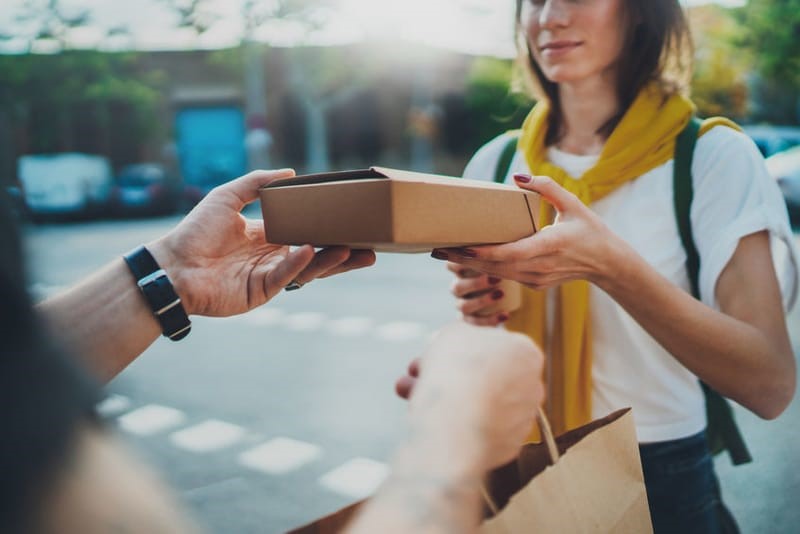
Takeout and delivery services have become very popular over the course of the past year, and with this increased demand, comes an increase in the amount of takeout-related materials on hand in every restaurant. With so many elements involved in takeout orders, food safety managers should take a few steps to reduce the amount of waste involved when packing takeouts and delivery orders.

Suggestions Food Safety Managers Can Use To Make Takeouts Greener
Image credit: kantver via 123rf

Waste Reduction Hints for Food Safety ManagersTo Improve Takeouts and Delivery

When you consider all the elements that go into to-go orders, there is a great potential for waste. Clamshell containers, individually packaged utensils, sauce packets and lids all have the potential to be wasted. Many customers prefer to use their own silverware at home, may have no need for the tiny packet of ketchup or simply toss excess containers in the trash. Sending these items with every takeout order eats into your food safety manager’s bottom line, creates waste and may have a negative impact on the environment.

In order to reduce waste, you may wish to ask customers who place a takeout order if they require silverware, sauces or other optional items. You may find that more of your customers are concerned about waste than you think.

Takeout and delivery don’t just create more waste, many to-go containers, utensils and sauce packets are cmposed of plastics that are harmful to the environment. Here are a few things food safety managers should consider when planning takeout service:

  • Stock biodegradable containers
  • Use small recyclable containers rather than prepackaged sauces
  • Consider compostable straws and utensils over plastic
  • Utilize reusable bags

Current innovations in recyclable and biodegradable restaurant supplies have made it possible to reduce your environmental impact without sacrificing the quality of your service. While paper-based takeout containers may not last forever, they’ll retain their integrity long enough for guests to enjoy their meals. The same goes for paper straws and biodegradable utensils. By making a few small changes food safety managers can go a long way in reducing waste and being environmentally focused with your delivery and takeout supplies.

Have you looked into how you can be more environmentally conscious with the way you provide delivery services?
Sensational ServSafe Food Training On Takeout Orders

ServSafe Food Training On Takeout Orders

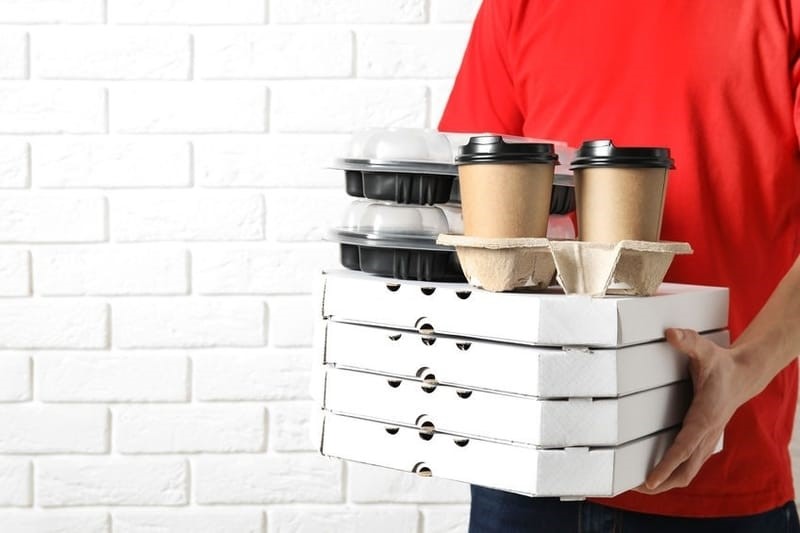
With the current limits on indoor dining, customers are more apt to order takeout instead of eating out. Takeout orders present different challenges to preserve quality and reduce foodborne illness risk, so it’s important to review ServSafe food training when it comes to these procedures.

ServSafe Food Training On Takeout Orders

ServSafe and Takeout Food Safety Training

With in-house dining, there aren’t as many variables as with takeout. Once your guest is seated in your dining room, they order their meal, food is prepared and served when ready. If your guest isn’t actually in the building at the time of their order, it adds a layer of complexity and can open up the possibility of foodborne illness risks.

The biggest window for foodborne illness risk and a reduction in quality occurs between the time the order is complete and the time the guest receives their order. In order to reduce this risk, it’s important to:

  • Keep food out of the danger zone
  • Reduce interval between the time food is prepared and handed to the customer

After bagging a takeout order, some restaurants are tempted to leave it near the hostess station or takeout counter so it’s on hand as soon as the guest arrives to pick it up. While that may meet minimum ServSafe food training requirements if left for a short period of time, as food cools into the danger zone the risk of bacteria growth increases. It also degrades the quality of the product a guest has ordered. Sauces can separate at room temperature and foods meant to be consumed cold just aren’t as appetizing when warm.

In times where takeout is a popular option, it’s important to devise a system that will keep foods at the appropriate temperature until guests arrive. Here are a ServSafe food training few tips:

  • Arrange specific pickup times
  • Utilize hot-hold storage and refrigerators to keep the product at the proper temperature
  • Assemble dishes involving both hot, cold and room temperature elements close to pick up time

If you take steps to ensure your product is in its best state when they arrive, you’ll give them the next best experience to enjoying their meal in your dining room.

Have you reviewed ServSafe food training procedures concerning takeout orders?