How ServSafe Food Managers Can Thaw Frozen Foods Safely and Preserve Quality
As the year wears on into winter, ServSafe food managers are often forced to bring in frozen product that is no longer freshly available, and considering the reduction of business due to COVID-19 restaurant restrictions, many restaurants are relying on frozen ingredients to keep costs down and reduce waste. If you’re finding yourself thawing more product than normal, it may be time for a quick review for ServSafe Food Managers on methods to thaw frozen foods properly to reduce foodborne-illness risks and preserve quality.
ServSafe Food Manager Guide to Thawing Foods
According to the Minnesota Food Code there are several ways to safely thaw frozen product:
- Under Refrigeration
- Submerged Under Running Water
- As Part of the Cooking Process
- In a Microwave
All four of these methods have their merits and drawbacks, so ServSafe food managers should consider the types of foods they are thawing before choosing a method in order to maintain food quality. No matter which method you choose, be aware that Minnesota food safety standards do not allow for product to be stored at over 41 degrees for more than four hours.
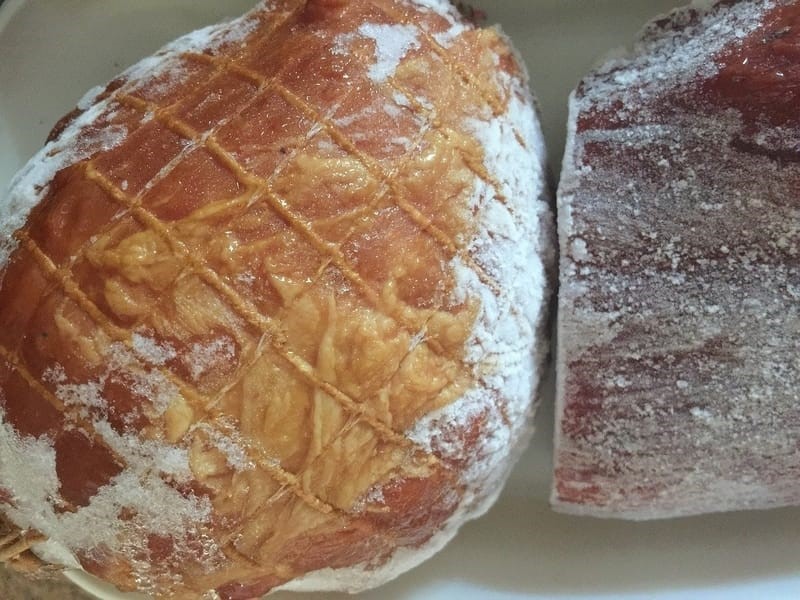
Thawing frozen product under refrigeration is probably the best way to thaw product safely and ensure that it will maintain its quality, especially when you’re thawing large items. Whole fish, roasts and other large items will take considerably time to thaw, and since your refrigeration units are kept below 41 degrees you don’t have to be concerned about the four hour window.
If you need product sooner, you can thaw under cold running water. If you choose this method, be sure to seal your frozen product in some way. A large water bath can spread pathogens and damage sensitive ingredients such as seafood. The last thing a guest will want to see is a jumbled pile of mush on their plate.
If you’ve frozen casseroles or soups, they can be cooked from frozen as long as they reach servable temperature in as short amount of time as possible.
While it’s acceptable from a food safety standpoint to use the digital chef to thaw product, a microwave really should be the last resort. With the exception of product designed to be cooked from frozen in the microwave, you’ll notice a steep decline in quality when thawing in the microwave versus other options. If you do thaw product in the microwave, it must be cooked immediately following the thawing process.
Are you a ServSafe food manager relying on frozen product during the winter months?
