
Really Simple Cold Weather Tips For Food Safety Managers

Tips for Food Safety Managers

Different seasons bring different food safety challenges, but many times, food safety managers concentrate on the unique of spring, summer and fall and neglect certain hazards that can occur when the weather turns bitterly cold. While winter may not be as challenging as other seasons, there are a few food safety hazards to be aware of. We have highlighted some cold weather tips for food safety managers.

Really Simple Cold Weather Tips For Food Safety Managers
Image credit: 123rf

Tips for Food Safety Managers can Prevent Cold Weather Foodborne Illness and Safety Hazards

Some of the cold weather hazards may be difficult for food safety managers to identify, but a few important ones to monitor include:

  • Water temperatures in faucets and dishwashing machines
  • Contaminates from heating systems
  • Winter weather elements in the kitchen

The temperature of the water coming out of your faucets may be colder when the tap is turned on in the wintertime, especially at the beginning of your daily operations. At the beginning of shift or after long periods of inactivity, food safety managers should run the hot water in their handwashing sinks and dishwashing areas until a high temperature is reached. If cold water is coming out of the faucet instead of hot water, hands may not be properly washed and dishes may not become clean. Periodically check to ensure your hot water lines are charged with hot water.

In the winter, your heating system will operate frequently/constantly. Another tip for food safety managers is, take the time to regularly clean heating elements and ducts to prevent dust from blowing around your establishment. It might also be a good idea to hire a professional duct cleaner to service your heating system and replace air filters at the start of the cold season.

Winter weather brings snow, and it’s much easier for snow to make its way into the kitchen than other weather elements. We always appreciate a good snowball fight, but that should be left to the outdoors. The friendly rivalry between the front and back of the house can often boil over in the wintertime when plenty of ammunition if freely available when snow begins to fall. Snow can be contaminated, and a thrown snowball may contain pathogens that could sicken guests. Save the snowball fights for breaks and after hours in the parking lot.

How do you prepare for winter weather in your establishment? Do you have other tips for your fellow food safety managers related to cold weather?
Minnesota Food Code Changes for Warewashing Water Temperature

warewashing water temperature

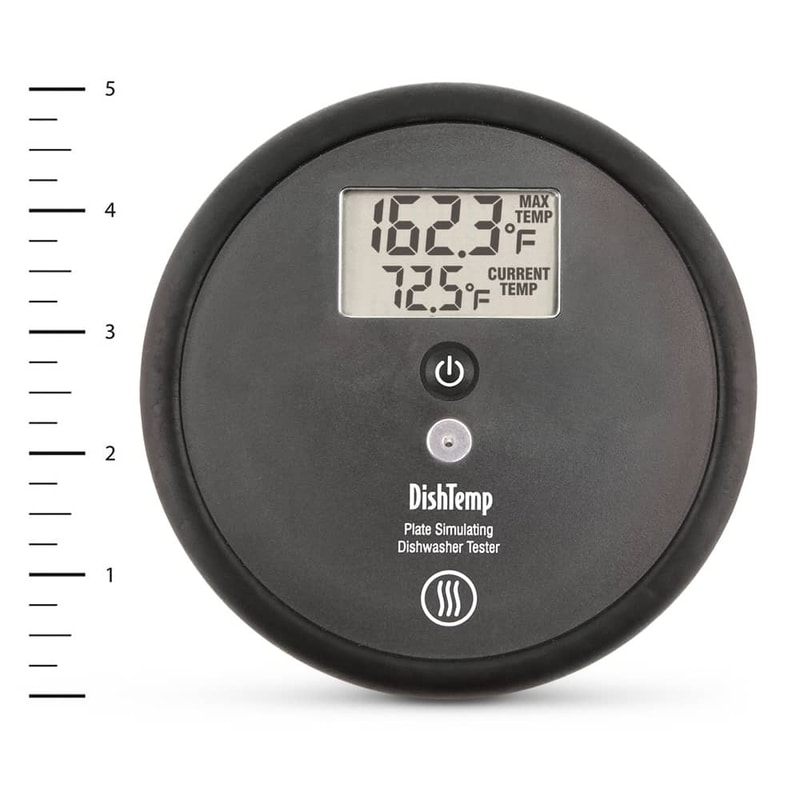
Dishwashing machines are a vital part of any food service operation, but they also present a potential food safety hazard if not maintained properly. One key part of any dishwashing machines ability to sanitize plateware, silverware and cooking utensils is having hot water available, and with new changes coming to the Minnesota food code, you’ll soon be required to take specific steps to monitor the warewashing water temperature in your dishwashing machine.

warewashing water temperature
Image Credit: ThermoWorks

Proposed Minnesota Food Code Compatible Warewashing Water Temperature Measuring Options

We learn in online ServSafe courses that the hot water temperature in your dishwashing machine must reach temperatures greater than 160 degrees for proper sanitation. Many types of devices exist that can ensure that food contact surfaces reach the proper temperature:

  • Single-Use Temperature-Sensitive Stickers
  • Temperature-Sensitive Labels and Test Strips
  • Reusable Waterproof Thermometers

Temperature-sensitive stickers and labels are color changing devices that can only be used one time. There are advantages and disadvantages to using stickers and labels. The cost of a box of these temperature-sensitive devices is much cheaper than a thermometer designed for measuring your dishwashing machine’s water temperature. Accuracy of these labels can be called into question as they do not give you a reading to the exact degree. While they do change color based on water temperature, they only give you a range of temperature rather than an exact reading. A word of warning about stickers and labels; they come in many different temperature ranges, so make sure you purchase a product that reads temperatures of at least 160 degrees.

We recommend a reusable Min-Max registering digital thermometer designed for warewashing. While the initial cost of these is much more expensive, over time you may find the long term cost of buying box after box after box of test strips might be more expensive. These thermometers can be accurate to the tenth or hundredth of a degree, and come in numerous styles, some that are even shaped like a small plate that will fit conveniently on your dishwashing rack. They are easy to read, easy to use and give you a much better idea of exactly how your dishwashing machine is performing.

Making sure that your warewashing temperature is high enough to kill pathogens will eliminate one sensitive area in your facility. We’d like to know which type of temperature monitoring device you find the most convenient.