

Bookmark Our Proper Produce Washing Guide For Easy Access
As a certified food manager in Minnesota, you understand that maintaining high standards is essential for both your business and your customers’ safety. When it comes to preventing foodborne illness, mastering the fundamentals is key, and that begins with proper produce washing. While it may seem basic, this critical step is your first line of defense against contaminants that can lead to serious health risks. Ensuring your entire team understands and follows the correct procedures is essential for food safety compliance and protecting the people you serve.
Fresh fruits and vegetables can carry a range of contaminants, including harmful bacteria such as E. coli and Listeria, as well as pesticide residues and physical soil contaminants. According to the CDC, germs cause nearly half of all foodborne illnesses on fresh produce. This highlights why a quick, careless rinse simply isn’t enough to mitigate the risks.
Understanding Key Washing Techniques
Not all produce is the same, and your washing method should adapt to the specific type of fruit or vegetable you are handling. Following best practices ensures that you effectively remove contaminants without damaging the product.
For Leafy Greens (Lettuce, Spinach)
Learn how proper produce washing can keep customers safe!
Greens like lettuce and spinach have a large surface area with many crevices where bacteria and dirt can hide.
- Discard the outer leaves first. These leaves have received the most handling and are, therefore, more likely to harbor dirt and microorganisms.
- Do not soak them. Instead, rinse leafy greens under cool, running water. Soaking can allow any bacteria present in the water to be absorbed into the leaves.
- Dry thoroughly. Use a clean salad spinner or pat dry with paper towels to remove excess moisture, which can promote bacterial growth.
For Firm Produce (Apples, Melons, Cucumbers)
Produce with tough skin requires a bit more friction to get clean.
- Gently rub the surface. While rinsing under cool running water, use your hands or a clean produce brush to scrub the exterior. This is especially important for items like cantaloupe, where bacteria on the rind can be transferred to the flesh when you cut it.
- Consider a vinegar rinse for added safety. For produce with a higher risk or for extra precaution, a solution of one part distilled white vinegar to three parts water can help reduce bacteria more effectively than water alone. Be sure to rinse with plain water afterward.
For Delicate Berries (Raspberries, Blueberries)
Soft-skinned berries can be easily damaged and must be handled gently.
- Wash just before you plan to use them. Washing berries too far in advance can introduce moisture that leads to mold and mushiness.
- Use a colander. Place the berries in a colander and rinse them under a gentle stream of cool water.
- Pat dry carefully. Gently pat them with a clean paper towel to absorb any lingering water before serving or storing.
Avoiding Critical Mistakes in Produce Handling
Knowing what not to do is just as important as knowing the right steps. Reinforce these rules with your kitchen staff to prevent common but dangerous errors in your food safety procedures. Foremost, never use soap, bleach, or commercial detergents to clean produce. These products are not for consumption and can be absorbed into the pores of fruits and vegetables.
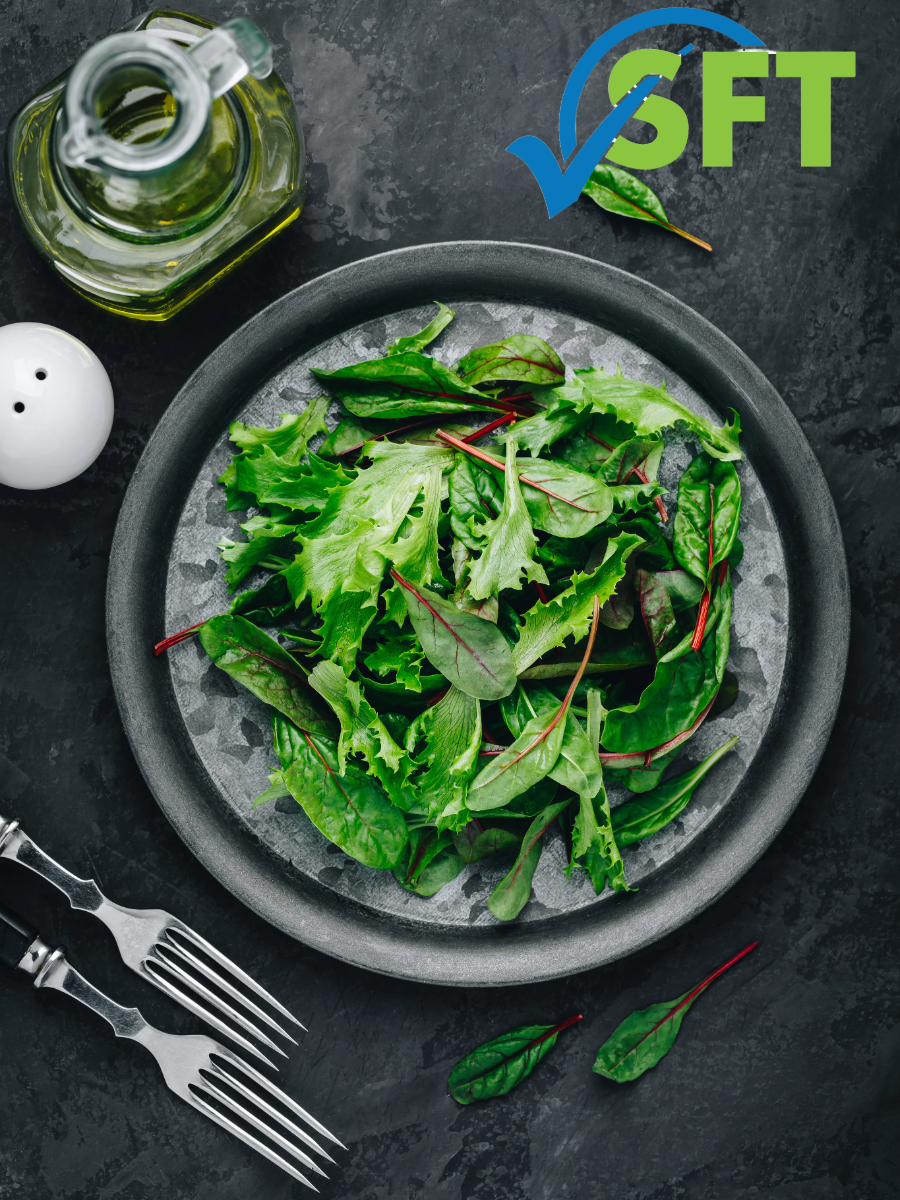
Start every delicious salad with proper produce washing!
Cross-contamination is another major risk. To prevent it:
- Always wash your hands with soap and warm water for at least 20 seconds before and after handling fresh produce.
- Use separate cutting boards and utensils for produce and raw meat, poultry, or seafood.
- Thoroughly clean and sanitize all food-contact surfaces, including countertops and sinks, before and after preparing produce.
By implementing these standards for proper produce washing, you are taking a vital step in maintaining a safe and reputable establishment. It’s this attention to detail that shows a commitment to excellence.
Ready to ensure your team is fully trained on all aspects of food safety, from produce handling to advanced food manager responsibilities? Safe Food Training offers personalized, instructor-led options for you and your team right here in Minnesota.
Book your initial certification or three-year renewal course today!
