If you manage a busy kitchen in Minnesota, you probably saw the news about the Salmonella outbreak tied to fresh jalapeños at state Chipotle locations. Dozens of people fell ill, proving how fast foodborne illness spreads. We’re tracking this situation so you have the facts needed to protect your customers.
The Details: What We Know Right Now
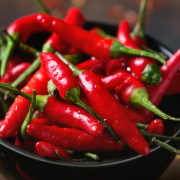
The Minnesota Department of Health (MDH) is investigating a cluster of Salmonella cases linked to eating fresh jalapeños at various Chipotle restaurants. While they pin down the specific supplier, this outbreak highlights the inherent risks of handling fresh produce.
Fresh produce easily becomes contaminated when grown close to the ground, and washing it isn’t always a foolproof solution. If the contamination makes its way inside the plant tissue, simply rinsing the surface won’t eliminate the risk.
Why Jalapeños Pose a Specific Risk
Jalapeños have a textured surface that easily harbors bacteria. Kitchens often serve them raw or lightly cooked, which means there isn’t a kill step, like applying high heat, to destroy potential pathogens. It’s up to your staff’s handling practices to keep things safe on the prep line.
Protecting Your Minnesota Kitchen
Get Safe food training in Minnesota.
What can you do today to minimize the risk in your own operation? It comes down to revisiting your core food safety protocols.
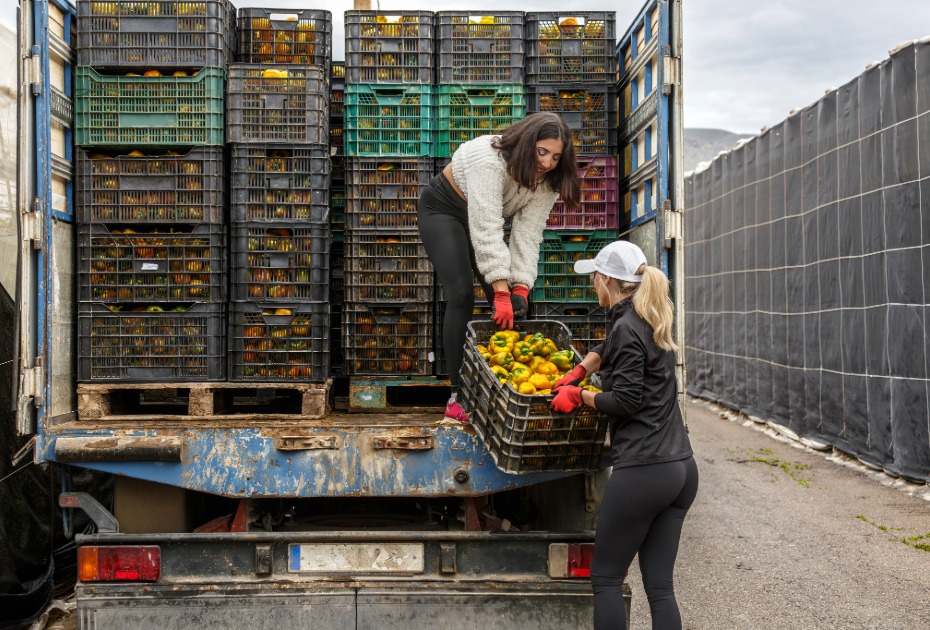
Supplier Verification: Know your suppliers. Confirm they adhere to Good Agricultural Practices (GAPs), which are voluntary audits verifying that farms pack and handle fruits and vegetables safely.
Receiving Procedures: Inspect all incoming produce carefully. Look for signs of spoilage or improper temperature control during transport. If it looks questionable, reject the delivery.
Cross-Contamination Prevention: Treat raw produce with the same caution you would raw chicken. Use separate cutting boards and prep areas for raw produce and ready-to-eat foods.
Temperature Control: Keep cut produce properly refrigerated. The danger zone (41°F – 135°F) allows bacteria to multiply rapidly.
Food safety goes far beyond produce prep. Take a second to share these quick refreshers with your staff this week to keep your whole operation compliant:
An outbreak like this is a sobering reminder that food safety requires constant education. As a ServSafe Instructor, a NEHA Registered Trainer, and an Always Food Safe Instructor & Proctor, I’ve seen firsthand how well-trained staff prevent minor slip-ups from becoming major health hazards.
If your staff needs training, remember to check their expiration dates. Minnesota professionals who take this Minnesota Department of Health-approved 4-hour refresher before their current 3-year certification expires get to skip the exam completely. Letting it lapse means they’re stuck retaking the entire 8-hour exam!
On November 17, the CDC announced a new multistate outbreak of Salmonella illnesses that has been linked to cantaloupes. Those who have studied ServSafe in MN know that incredible care must be taken with meats, dairy, and eggs in order to prevent food-borne illness, but potential issues with raw fruits and vegetables are frequently overlooked.
Image credit: smileus via 123rf
ServSafe Tips for Preventing Food-Borne Illness from Raw Fruits and Vegetables
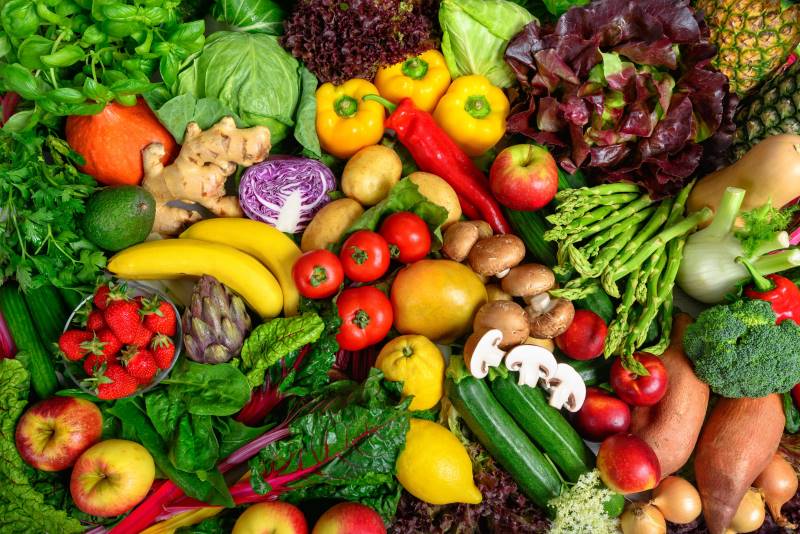
The first step in preventing the spread of foodborne illness is to wash raw produce. It may be easy to cut fruits and vegetables such as tomatoes, cucumbers, and oranges that appear to be ready for preparation, but just because something looks clean and ready to eat does not necessarily mean that it is. Invisible remnants of soil, fertilizer, or other contaminants may still exist on the surface.
There are certain fruits, such as melons and tree fruits, in which the rind is not eaten. Those should still be washed or peeled before serving. There have been cases where food-borne illness has spread from bacteria on the rinds of melons or citrus fruits. Bacteria can be spread by a lemon sliced and used as a garnish in a glass of water or from a slice of cantaloupe in which the knife used to slice it has picked up contaminates from an unwashed peel.
Common Raw Fruits and Vegetables that Cause Food-Borne Illness
While any raw fruit or vegetable can cause food-borne illness, and steps learned in ServSafe MN should be used to prevent tainted food from reaching customers, a few specific items should be given extra care.
Sprouts
Melons
Leafy greens
Root vegetables
Sprouts have become such a hazard for food-borne illnesses that many restaurants and stores have stopped selling them. Before serving uncooked sprouts, particular attention should be taken to ensure they have been thoroughly cleaned.
Melons, especially cantaloupe, have been a notorious hazard in recent years. The rugged rind of the cantaloupe can shelter bacteria from a quick wash.
Leafy greens and root vegetables grow in or near the soil. This means having more contact with dirt, natural and chemical fertilizers, and other contaminants. These items should be thoroughly washed, and root vegetables to be served raw, such as carrots, should be washed before peeling to prevent bacteria from contaminating preparation utensils.
https://minnesota.safefoodtraining.com/wp-content/uploads/2023/12/Special-ServSafe-Tips-For-Serving-Raw-Fruits-And-Vegetables.jpg534800Jeff Websterhttps://minnesota.safefoodtraining.com/wp-content/uploads/2025/06/Remove-background-project-1024x614.pngJeff Webster2023-12-04 15:56:442026-05-30 14:40:21Special ServSafe Tips For Serving Raw Fruits And Vegetables
As the chill of winter recedes, many restaurant managers rotate warm comfort foods off of their seasonal menus in pursuit of fresh ingredients. Rotating menus seasonally can be a great way to keep your loyal clientele returning to find new dishes available and bring out the best in your creative kitchen staff.
Seasonal Menu Food and Handling Course Guidelines
Image Credit: mayushka
Each season brings its own food safety challenges and the upswing in fresh ingredients spring offers creates some cause to take extra precautions. We’ve isolated a few issues you may want to consider as you bring in the ingredients for your fresh new menu:
Proper storage of fresh proteins
Proper washing of fresh fruits and vegetables
Review of holding procedures for new hot and cold items
Most food and handling course protein storage guidelines tell you to store your product on shelves in descending order of final cooking temperature. For example, whole raw pork would be stored above ground meats and poultry products must always be placed on the lowest shelf. Most seafood products will have the lowest cooking temperature, but we recommend you find a separate storage location for fish and shellfish that is not on a shelf over any other product. Some of your guests may suffer from seafood allergies, so taking precautions to prevent cross-contamination is a must.
Spring also brings an abundance of fresh produce. Remember to wash all produce that will be cooked or served raw, even if you bring in organic ingredients. Washing produce removes residue left from pesticides, fertilizers or dirt that remains on fruits and vegetables.
Finally, review hot and cold cooking and holding temperatures with your staff. Raw seafood items are particularly popular in the spring and summer when fresh ingredients can be purchased. If you serve sashimi, sushi or seafood tartare, spend some extra time reviewing cold holding and cross-contamination prevention.
Do you choose to rotate your menus with the seasons or do you have other ideas for keeping the food you serve fresh and relevant?
https://minnesota.safefoodtraining.com/wp-content/uploads/2018/03/Food-and-Handling-Course-for-Seasonal-Menus.jpg533800Christine Dantzhttps://minnesota.safefoodtraining.com/wp-content/uploads/2025/06/Remove-background-project-1024x614.pngChristine Dantz2018-03-19 01:50:342026-05-24 15:07:21Food and Handling Course for Seasonal Menus