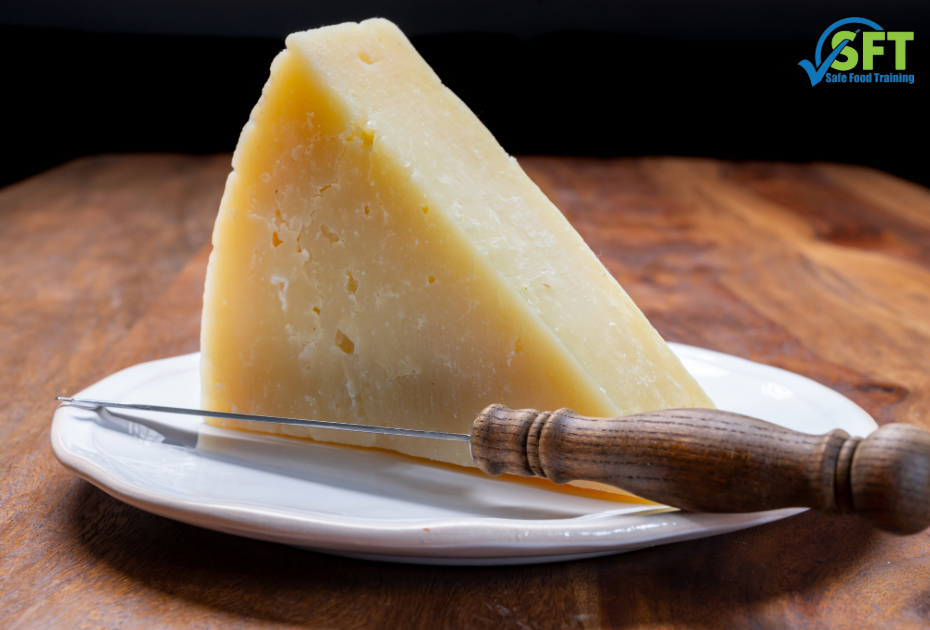
The Boar’s Head cheese recall involves specific lots of Pecorino Romano cheese (both grated and in wedges) because of potential contamination with Listeria monocytogenes. Even though there have been no confirmed illnesses, the FDA classified this as a Class I recall because there is a reasonable probability that using the product could cause serious health consequences. If you’re managing a kitchen in Minnesota, you must immediately check your inventory for the affected lot codes and review your traceability procedures.
It’s Not Just the Deli Meat
If you’re like most food managers in Minnesota, you probably remember the massive deli meat recall earlier this year. But this latest alert proves a critical point: contamination can happen anywhere in the supply chain.
This time, it isn’t the liverwurst. It’s the Pecorino Romano.


Specifically, the recall affects:
- Boar’s Head Grated Pecorino Romano (6 oz jars and foodservice bags)
- Boar’s Head Pecorino Romano Wedges (7 oz)
- Note: This recall also affects other brands produced by the same supplier, including Locatelli and Ambriola.
If you’ve got these in your cooler, don’t serve them. Check the UPCs and sell-by dates against the official FDA notice immediately.

The "Peaches" Connection: Why It Could Be Anything


You’re probably thinking, “We don’t use Boar’s Head cheese, so we’re safe.” That’s a dangerous mindset.
Remember the peaches?
In late 2025, Moonlight Companies recalled yellow and white peaches because of Listeria. Back in 2020, a similar situation with Wawona peaches sickened 23 Minnesotans with Salmonella.
The lesson is simple: Whether it’s a processed dairy product like grated cheese or raw agricultural commodities like fresh peaches, the risk is always present. You can’t inspect Listeria out of a cheese wedge with the naked eye—it can survive and grow at temperatures as low as 31.3°F. You can only defend against it with traceability.
Traceability: Your Only Real Defense
When a recall hits, there are two types of kitchens:
- The Panic Kitchen: They scramble through the walk-in for 3 to 4 hours, tossing anything that “looks like” the recalled item, wasting hundreds of dollars and potentially missing the actual contaminated batch.
- The Proactive Kitchen: They pull up their invoices and receiving logs. Within 5 minutes, they know exactly when the product arrived, which lot it was, and whether it’s still in the building.
Reactive vs. Proactive Safety Procedures
Feature | The Panic Kitchen (Reactive) | The Proactive Kitchen (Safe Food Training) |
Response Time | 4+ Hours (searching physically) | < 10 Minutes (checking records) |
Waste | High (tossing safe product “just in case”) | Low (only tossing affected lots) |
Inventory Method | Visual checks only | First-In, First-Out (FIFO) & Lot Logging |
Confidence | “I think we got it all.” | “I know we’re safe.” |
3 Steps to Take Today
If you haven’t updated your receiving procedures lately, do it now.
- Log Your Lots: When high-risk items (deli meats, soft cheeses, leafy greens) arrive, write the Lot ID on your receiving log.
- Keep Invoices Accessible: Don’t just bury them in the office. If a recall alert drops during the dinner rush, your chef needs to see those dates immediately.
- Train Your Team: Does your prep cook know what a “Julian Date” is? If not, it’s time for a refresher.
Building Trust Beyond Compliance
We know how hard you work to put great food on the table. Recalls are frustrating because they feel out of your control, but how you handle them is 100% in your control. When you can look a health inspector—or a customer—in the eye and say, “We checked our lots, and we’re clear,” that isn’t just following the rules. That’s building trust. And in Minnesota, trust is everything.
Frequently Asked Questions
Q: Will this course fulfill Minnesota's food license requirements?
A: Absolutely. Our 8-hour food licensing course specifically aligns with and meets Minnesota’s official food safety standards, including handling recalls and traceability.
Q: How often must I complete continuing education to maintain my food safety certification in Minnesota?
A: In Minnesota, you must renew your certified food protection manager license by completing continuing education every 3 years. Staying current helps you stay on top of new risks like these.
Q: How does Safe Food Training support clients beyond the initial course?
A: We’re committed to building and maintaining relationships. We provide ongoing support through renewal reminders and as a reliable resource during confusing recalls like this.
Q: What's the primary service that Safe Food Training offers?
A: We specialize in providing personalized, 8-hour certified food protection manager licensing courses tailored for food professionals across Minnesota. We teach you the systems to handle recalls effectively.
Q: Why is staying current with food safety standards so important?
A: Upholding Minnesota’s food safety standards is critical for protecting public health. As these recalls show, ensuring your business remains compliant is the only way to protect your reputation.
Secure Your Kitchen Today
Don’t leave your kitchen’s safety to chance.
Register for an upcoming course at https://www.safefoodtraining.com, complete your food safety certification, and learn how to build a defense system that works.