Entries by Jeff Webster

Chipotle Pulse: Minnesota Jalapeños Linked to Salmonella Outbreak ??
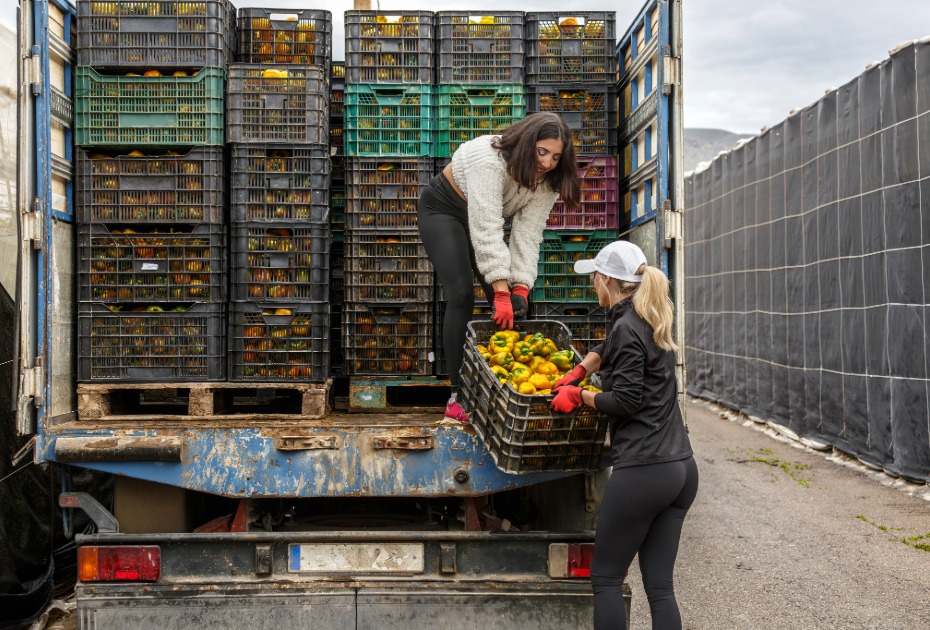
If you manage a busy kitchen in Minnesota, you probably saw the news about the Salmonella outbreak tied to fresh jalapeños at state Chipotle locations. Dozens of people fell ill, proving how fast foodborne illness spreads. We’re tracking this situation so you have the facts needed to protect your customers.

The Details: What We Know Right Now

The Minnesota Department of Health (MDH) is investigating a cluster of Salmonella cases linked to eating fresh jalapeños at various Chipotle restaurants. While they pin down the specific supplier, this outbreak highlights the inherent risks of handling fresh produce.

Fresh produce easily becomes contaminated when grown close to the ground, and washing it isn’t always a foolproof solution. If the contamination makes its way inside the plant tissue, simply rinsing the surface won’t eliminate the risk.

Why Jalapeños Pose a Specific Risk

Jalapeños have a textured surface that easily harbors bacteria. Kitchens often serve them raw or lightly cooked, which means there isn’t a kill step, like applying high heat, to destroy potential pathogens. It’s up to your staff’s handling practices to keep things safe on the prep line.

Protecting Your Minnesota Kitchen

Protecting your kitchen.

Get Safe food training in Minnesota.

What can you do today to minimize the risk in your own operation? It comes down to revisiting your core food safety protocols.

  • Supplier Verification: Know your suppliers. Confirm they adhere to Good Agricultural Practices (GAPs), which are voluntary audits verifying that farms pack and handle fruits and vegetables safely.
  • Receiving Procedures: Inspect all incoming produce carefully. Look for signs of spoilage or improper temperature control during transport. If it looks questionable, reject the delivery.
  • Cross-Contamination Prevention: Treat raw produce with the same caution you would raw chicken. Use separate cutting boards and prep areas for raw produce and ready-to-eat foods.
  • Temperature Control: Keep cut produce properly refrigerated. The danger zone (41°F – 135°F) allows bacteria to multiply rapidly.

Need to update your CFPM before it expires? Save $10 online now using SFT10!

More Minnesota Kitchen Resources

Food safety goes far beyond produce prep. Take a second to share these quick refreshers with your staff this week to keep your whole operation compliant:

The Importance of Ongoing Training

An outbreak like this is a sobering reminder that food safety requires constant education. As a ServSafe Instructor, a NEHA Registered Trainer, and an Always Food Safe Instructor & Proctor, I’ve seen firsthand how well-trained staff prevent minor slip-ups from becoming major health hazards.

If your staff needs training, remember to check their expiration dates. Minnesota professionals who take this Minnesota Department of Health-approved 4-hour refresher before their current 3-year certification expires get to skip the exam completely. Letting it lapse means they’re stuck retaking the entire 8-hour exam!

Cyclospora Outbreak: Protecting Your Minnesota Kitchen from Fast-Moving Produce Threats

A severe Cyclospora outbreak that started in Michigan has exploded, and just as we warned in our initial alert on this fast-moving threat, supply chains move incredibly fast. We are now looking at over 22,000 reported cases nationwide, and tragically, this wave has already resulted in two deaths. When you’re managing a busy kitchen, it’s easy to assume an out-of-state alert won’t affect your daily prep.

But contaminated greens can travel over 600 miles and reach a Minnesota prep table in under 48 hours. A bad batch of produce harvested on a Monday can easily sit in your St. Paul walk-in cooler by Wednesday morning. Kitchen managers must strictly verify their sourcing and enforce rigorous receiving protocols immediately to protect customers from these microscopic threats.

The Reality of Interconnected Supply Chains

Supply chains cross state lines overnight, transforming a localized issue into a national crisis involving tens of thousands of people. This microscopic parasite is notoriously difficult to wash off delicate leafy greens and fresh herbs. This makes cross-contamination a massive risk during a Friday rush.

As an experienced kitchen manager, I know how easily prep cooks can rush their washing routines when tickets are printing non-stop. You can’t let that happen. You must treat incoming produce with the exact same caution you apply to raw poultry. If a massive supplier experiences a contamination event hundreds of miles away, that ripple effect hits local distributors across the country within days.

Why Minnesota Consistently Stays Safe

There’s a very clear reason Minnesota consistently records one of the lowest levels of foodborne illness outbreaks in the country. We rarely see our local restaurants caught up in these massive, multi-state alerts. Even with 22,000 cases nationwide, our state remains highly protected and largely untouched by this specific wave.

Cyclospora outbreak

Help keep Minnesota safe!

That success isn’t an accident. It’s the direct result of our state’s rigorous certification standards and mandatory continuing education requirements. The hard work you put into training your staff actually works. As a NEHA Registered Trainer and an Always Food Safe Instructor & Proctor, I see firsthand how dedicated local managers are to keeping their dining rooms safe.

Keeping Your Certification Current

Professionals must complete continuous education to stay updated on specific, fast-moving threats. Don’t forget that Minnesota professionals who take our 4-hour recertification refresher before their current 3-year certification expires get to skip the exam completely. Letting your license lapse means you’re stuck retaking the entire 8-hour exam. Taking that short refresher is the absolute easiest way to keep your team informed. I teach Minnesota Department of Health-approved courses that tackle real-world issues exactly like this outbreak.

Frequently Asked Questions About Cyclospora

Here are a few common questions we’re hearing from local kitchen managers regarding safe produce handling right now.

What exactly is Cyclospora?

Cyclospora is a microscopic parasite that causes a severe intestinal infection called cyclosporiasis. People generally get sick by consuming food or water contaminated with infected feces, which often happens in agricultural fields where fresh produce grows.

Does washing produce remove the parasite?

Washing helps remove dirt and some surface contaminants, but it’s very hard to wash Cyclospora completely off leafy greens or berries. This is why purchasing from reputable, transparent suppliers and paying close attention to national alerts acts as your primary line of defense.

Can hand sanitizer kill Cyclospora on the prep line?

No, standard alcohol-based hand sanitizers do not effectively kill parasites like Cyclospora. Your staff must wash their hands thoroughly with soap and warm water after handling unwashed produce to prevent spreading the parasite to other ready-to-eat foods.

Protect Your Customers Today

You can’t control the national supply chain, but you can control how your team handles incoming produce. Give us a call at (952) 210-0195 or register to get your staff up to speed by visiting our upcoming course schedule. Register for your next class today to keep your kitchen compliant and your dining room safe.

News Sources & Outbreak Data: