Be prepared for Thanksgiving!
The first Thanksgiving dinner in 1621 leaned on venison and wild fowl, not the turkey-and-pie spread we know today. Serve those same foods in a Minnesota kitchen now, from a Duluth hotel ballroom to a Rochester catering line, and you’ll face strict sourcing and temperature rules. That makes the old harvest feast a handy food safety training lesson for any Certified Food Protection Manager (CFPM) heading into Thanksgiving week.
What Was Served at the First Thanksgiving?
According to colonist Edward Winslow, the feast centered on wild fowl and five deer. His December 1621 letter is the main eyewitness account of the three-day celebration.
Wild Fowl and Five Deer
Four colonists brought back enough fowl in one day to feed the settlement for nearly a week. The Wampanoag leader Massasoit arrived with about 90 men, and they killed five deer for the feast.
Seafood From the Shore
Cod, mussels, and eel were plentiful nearby. Pumpkin pie and bread stuffing came generations later.
Food Safety Training Lessons From the 1621 Menu
On a supper club line near Brainerd, that menu runs straight into the Minnesota Food Code.
Venison Has to Come From an Inspected Source
Five deer at the back door was a gift in 1621. In a licensed Minnesota restaurant, it’s a violation. Minnesota Rule 4626.0160 requires game to be slaughtered and processed under USDA or Minnesota Department of Agriculture inspection. Deer opener fills plenty of freezers, but a regular’s buck from a stand near Grand Rapids still can’t become your holiday special. It’s the same approved-source thinking we covered in sourcing wild mushrooms.
Shellfish Tags Stay on File for 90 Days
North Shore kitchens have Lake Superior herring, but Minnesota ships in every clam or mussel. These live shellfish, called shellstock, arrive with a harvest tag. Once the container is empty, write that date on the tag and keep it on file for 90 days. The Minnesota Department of Health covers the details in its molluscan shellfish fact sheet.
Today’s Turkey Needs a Thermometer
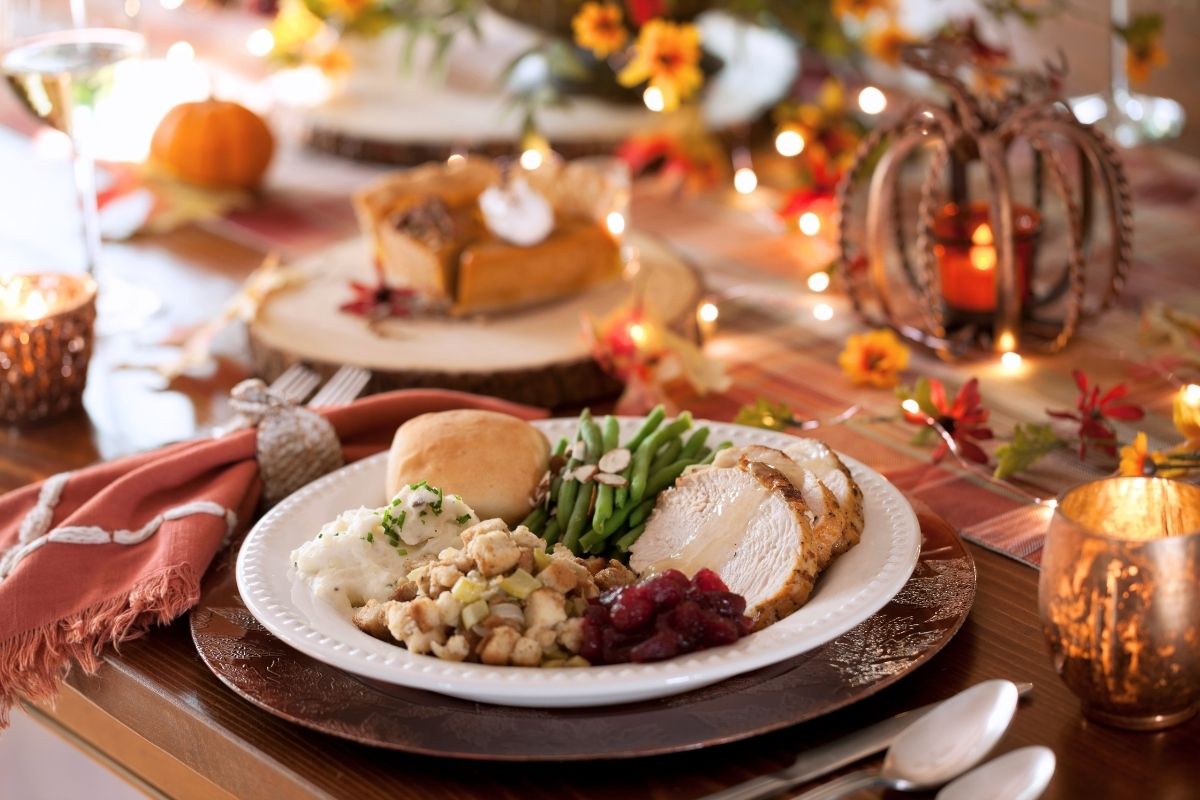
Minnesota raises more turkeys than any other state, so your holiday bird may well come from a farm near Willmar. Poultry must reach 165°F, and stuffing cooked inside the bird must reach that temperature too. Leftovers must cool from 135°F to 70°F within two hours, then reach 41°F within the next four. Partially cooking birds a day ahead for a St. Cloud banquet? Review the rules on non-continuous cooking first.
Pumpkin pie and wild rice stuffing count too. Both are time/temperature control for safety (TCS) foods, so they belong back in the cooler between services.
Check Your CFPM Before December Hits
Minnesota CFPMs renew every three years. Take the 4-hour refresher before your certificate expires to skip the exam. If you let it lapse, you’ll have to retake the full 8-hour course and exam.
Safe Food Training has trained food protection managers across Minnesota for over 30 years. As a ServSafe Instructor and NEHA Registered Trainer, I teach Minnesota Department of Health-approved food safety training online and in classrooms from Duluth to the Twin Cities.
Thanksgiving Food Safety Questions From Minnesota Kitchens
Here are the holiday questions Minnesota kitchen managers ask us most.
Did the Pilgrims eat turkey at the first Thanksgiving?
Maybe. Winslow’s letter mentions fowl without naming the bird, but Governor William Bradford later wrote that wild turkeys were plentiful that fall.
Can a Minnesota restaurant serve venison from a hunter?
No. A licensed Minnesota restaurant can only serve game processed under USDA or state inspection. Hunter-harvested deer can only go to registered charities.
How long do Minnesota restaurants keep shellstock tags?
Minnesota restaurants keep shellstock tags for 90 days after the last shellfish in the container is served, filed in date order.
What temperature should turkey reach in a restaurant?
Turkey must reach 165°F in a Minnesota restaurant, and any stuffing cooked inside the bird must reach the same temperature.
Do Minnesota food managers have to retake the CFPM exam to renew?
 No, not if they finish the 4-hour renewal course before their certificate expires. Otherwise, it’s the full 8-hour course and exam.
Get Your Kitchen Ready for the Holiday Rush
Whether your menu sticks with turkey and wild rice or borrows a page from 1621, a current CFPM keeps your kitchen on the right side of the code. Call me at (952) 210-0195 or email info@safefoodtraining.com, then reserve your seat at safefoodtraining.com.