
Take the CFPM and make sure you’re up to date on poultry safety!
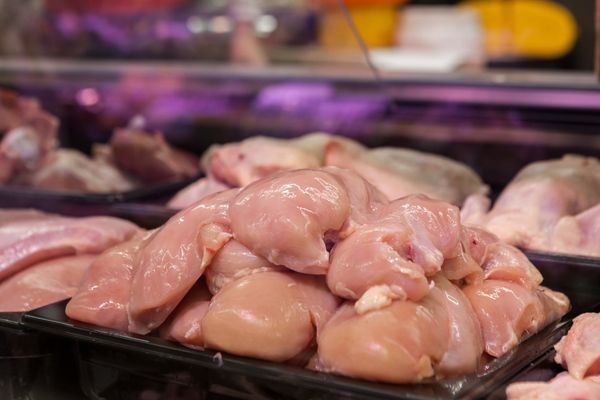
Campylobacter is the most commonly reported bacterial gut infection in Minnesota, according to the Minnesota Department of Health (MDH), and raw poultry is the most frequent source. The hidden danger is how normal it looks. Chicken carrying it smells and looks fine, and one careless cutting board can carry it straight to a customer’s plate.
Why Campylobacter Is a Business Risk in Minnesota
MDH counted 2,060 Campylobacter cases in 2024, and both outbreaks it identified that year were tied to restaurants. When illnesses trace back to a kitchen, MDH investigates.
What Makes It So Hard to Spot
Bacteria live in the intestines of healthy birds, so raw chicken can carry them to your back door. The CDC notes that a single drop of raw chicken juice can make someone sick.
-
It won’t multiply below about 86°F, but it survives in your walk-in.
-
Freezing slowly lowers its numbers without reliably killing it.
-
It hangs on longest in damp spots, like wet sponges and wiping cloths.
Where It Shows Up in Minnesota Kitchens
Wing nights and soup pots. Picture a Minneapolis sports bar on a Sunday during football season, with raw wings coming off the same prep table as the salad station. The chicken you pull for wild rice soup counts too, since raw juice left on a board can land right back on cooked meat.
Raw milk. Minnesota allows occasional raw milk purchases at the farm, but your kitchen dairy must be pasteurized and come from an approved source.
Water up north. Lots of lake resorts and supper clubs from Brainerd to the North Shore run on their own wells. Untreated water is a known source of Campylobacter, so act fast on any problem MDH flags in your water samples.
Three Controls for Your Prep Line
Each one blocks a different path from raw chicken to a plate.
Cook Poultry to 165°F
MDH calls for 165°F for 15 seconds. Check the thickest part with a calibrated probe thermometer.
Keep Raw Poultry Away From Ready-to-Eat Food
Cross-contamination happens when bacteria move from raw food to something that won’t be cooked again, like salad greens. Store raw poultry on the bottom shelf and use color-coded cutting boards.
Wash Hands After Every Touch
Scrub for at least 20 seconds after handling raw poultry, even if you wore gloves.
Train Your Crew to Catch It
Most Minnesota food establishments must employ a Certified Food Protection Manager (CFPM) to oversee on-site food safety. If you run a HACCP plan (Hazard Analysis and Critical Control Point, a system of checkpoints to stop hazards), include poultry cooking temperatures.
Safe Food Training has trained food protection managers across Minnesota for over 30 years. As a ServSafe Instructor and NEHA Registered Trainer, I still see cross-contamination trip up experienced crews. Our in-person classes run across the Twin Cities and out to St. Cloud, Brainerd, and Duluth, with a 90%+ pass rate. Online training is self-paced, available in English and Spanish, and we also offer group training for multiple employees.
Campylobacter FAQs for Minnesota Kitchens
These come up in almost every class we teach.
How soon do Campylobacter symptoms start?
Usually two to five days after exposure, and most people feel better in about a week. In rare cases, it can trigger Guillain-Barré syndrome, a nerve disorder.
Should cooks rinse raw chicken before cooking it?
No. In a USDA study, 60% of people who rinsed raw poultry ended up with bacteria in their sink.
Can an employee with diarrhea finish their shift?
No. MDH requires the person in charge to send them home, and they can’t return until at least 24 hours after symptoms end.
Who do I call if a guest says they got sick?
Report it to MDH’s Foodborne and Waterborne Illness Hotline at 1-877-FOOD-ILL (1-877-366-3455), staffed weekdays during business hours.
Does CFPM training cover poultry safety?
Take the CFPM to stay up to date on poultry safety!
Yes. Cooking temperatures and cross-contamination are core topics in our Minnesota Department of Health-approved courses, both in person and online.
Protect Your Kitchen and Your Reputation
One sick table can undo years of clean inspections, so book your crew’s training at safefoodtraining.com. You can also reach me at (952) 210-0195 or info@safefoodtraining.com. If you’re renewing your CFPM, finish the 4-hour online recertification before it expires to skip the exam!

