Spotlight On Holiday Donation Resources For Food Safety Managers

Spotlight On Holiday Charitable Donation Resources For Food Safety Managers

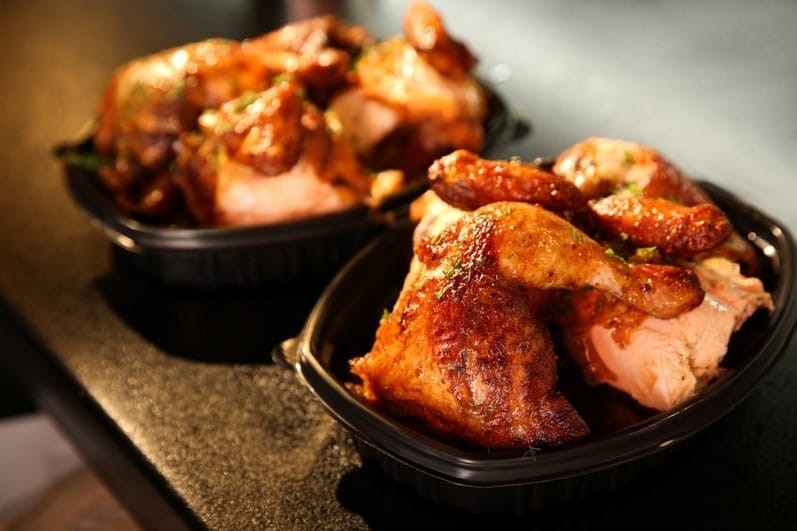
Nearly one in 11 Minnesotans struggle with hunger or are food insecure, and coming out of the COVID pandemic, many are still fighting poverty to feed their families. Over the hard times of the past two years, Minnesota food safety managers stepped up to help fill that void by donating surplus supplies, ingredients and meals to local food banks and charitable meal providers, but now that we’re entering the post-COVID holiday season we should be aware that the hunger problem hasn’t dissipated with the pandemic, and Minnesota food businesses can still play a vital role in helping struggling families enjoy the holiday season. We’ve assembled a list of donation resources for food safety managers who want to help local families in need.

Spotlight On Holiday Charitable Donation Resources For Food Safety Managers
Image credit: Second Harvest Heartland

Donation Resources For Food Safety Managers That Can Help Struggling Families Put Food On The Table During The Holidays

There are many reasons for food safety managers to consider donating surplus or ordering and preparing extra holiday dinners to donate during the holidays. Some include:

  • Tax deductions
  • Waste reduction
  • Business promotion
  • Becoming a vital part of the community

While charity doesn’t always include a business bonus, sometimes helping your community can help reduce your taxes. Food businesses that donate food are eligible for a tax deduction. A tax deduction up to twice the cost of purchasing the product donated can be written off come tax time. This includes surplus as well as food brought in with the intention of donation.

Donating surplus over the holidays will not only feed struggling members of your community, it will also reduce waste and help keep your food cost in check. Nearly one-third of product brought into food businesses is wasted, so donating excess can go to help your neighbors rather than the dumpster.

Finally, businesses can donate anonymously, but often times charities will give credit to donors. When your food business donates meals, ingredients or other items during the holidays, your community will inevitably hear about it. When your business is known for charity, you may attract customers who may have never frequented your business if they didn’t know you were a vital part of the community during the holiday season.

Here’s a brief list of donation resources on how food safety managers can donate during the holidays. Many local municipalities have organizations and charities focused on your local communities, so feel free to reach out to local charities not listed here:

Do you have plans to donate product to charity this holiday season? Do you know of other donation resources food safety managers can use to distribute food to the community?

How To Make Kitchen Staff Food Safety Training More Effective

Making kitchen staff training more effective

Certified food protection managers are responsible for keeping the food they serve safe through training, monitoring and evaluating the food safety procedures in their establishment. One important part of training is reinforcing food safety protocols, and the Minnesota Department of Health and the Department of Agriculture have supplied handy food code fact sheets and downloadable food safety posters to help certified food protection managers remind their staff of essential food safety procedures.

Making kitchen staff training more effective
Image credit: Minnesota Department of Health

Using Food Code Fact Sheets to Supplement Your Staff Food Safety Awareness

Just because your staff has been trained on the basics, it doesn’t mean that a review of these procedures wouldn’t be helpful. In fact, having frequent reminders of food safety basics will keep the food your serve safe and take some pressure off of the day-to-day duties of your certified food protection manager.

Printing and laminating food safety posters will provide constant visual reinforcement of the basics of food safety. Some key posters include:

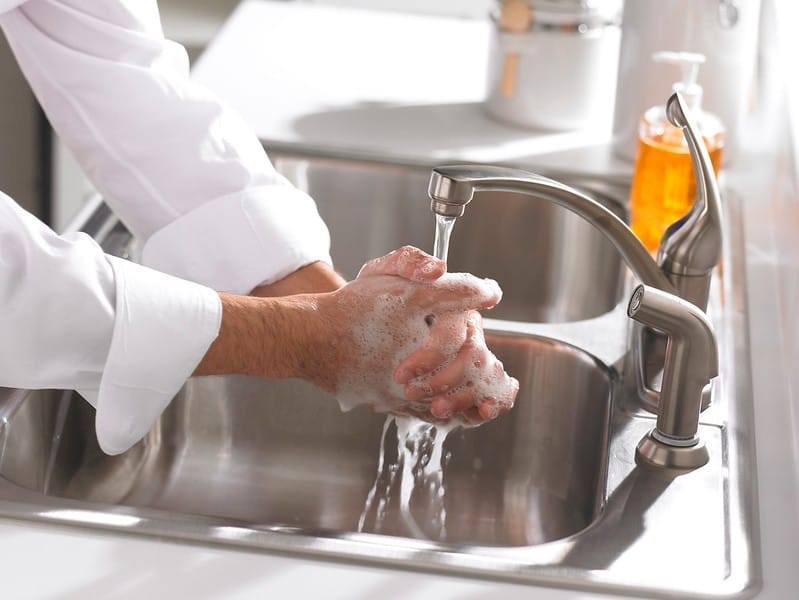
A handwashing poster over your handwashing station will be a constant reminder of the importance of washing your hands, and having temperature control and heating procedures posted where food is cooked will give your staff a quick guide when checking the temperature of the food they’ve just prepared.

The downloadable food safety posters on the Minnesota Department of Health’s website don’t stop at the basics of food safety, however. Schedule some time during your day to check out the options available, and you’ll be sure to find some that fit the unique nature of your business.

Do you use food code fact sheets to remind your employees about food safety basics?

A Lesson in Norovirus Control for Certified Food Protection Managers

Staying Home when Sick

The norovirus made the news in a big way in the month of September thanks to a massive outbreak at Georgetown University. While the investigation into the outbreak has yet to locate the initial source, norovirus outbreaks often begin in food service, so certified food protection managers take notice that this outbreak has sickened nearly 150 people and take precautions to prevent a similar incident from happening at their food business or facility.

A Lesson in Norovirus Control for Certified Food Protection Managers
Image credit:: belchonock via 123rf

Certified Food Protection Managers And Norovirus Defense in High-Volume Facilities

Many norovirus cases fall under the radar when only a few individuals are sickened, but the case at Georgetown University shows what can happen in when the pathogen infects a large population. Officially, there is no link to food service in this Norovirus case, but certified food protection managers at university cafeterias, local school, hospitals and other facilities that serve a large amount of people every day have a great impact on preventing an outbreak such as this from even getting started. By taking a few simple precautions norovirus outbreaks can be stopped before they even begin by:

These three very easy steps will greatly reduce the risk of spreading the norovirus whether you serve thousands of guests a day or under 10. In fact, these three tools not only prevent the spread of the norovirus, but can help stop many other common illness that begin in food service from spreading.

Have you taken the time to review these basic food safety techniques with your staff to reduce the chances of spreading the norovirus?

Food Safety Advice For Hosting Down Home Wild Game Dinners

Food Safety Advice For Hosting Down Home Wild Game Dinners

Hunting season is upon us for water fowl and will soon open for deer. Fall hunting is a great Minnesota tradition, and many food safety managers love to celebrate the season with hosting wild game dinners. When hosting an event where wild game is served, there are a few special procedures food safety managers need to pay attention to, so it’s important to review the special regulations for wild game dinners.

Food Safety Advice For Hosting Down Home Wild Game Dinners
Image credit: foodandmore via 123rf

Wild Game Dinners and Food Safety Protocols

If you’re planning on hosting a wild game dinner, it’s important to note that these types of dinners can only be held for charity and not at for profit events. This means that if you’re a certified food manager wanting to serve locally hunted or trapped game in your restaurant, you’ll have to find a source that’s been approved for sale for food service purposes. Fundraising events, however, can host wild game events as long as the donated game meets the proper criteria. Game served a wild game dinners must meet the following food safety standards:

  • Has been legally hunted or trapped
  • Is pure, unground animal meat
  • Was properly cleaned at a Minnesota Department of Agriculture licensed facility
  • Was eviscerated less than two hours after harvest

To be legally hunted, the animal must have been taken in season and in an area where hunting is allowed by licensed hunters. Any wild game animal, be it bird, deer or other game, taken illegally cannot be offered at these events. They also must be cleaned in a facility licensed by the MDA to ensure procedures have been followed to prevent cross contamination and that other food safety protocols have been followed. Game that was processed at a private residence or unlicensed facility cannot be served. It’s also important to make sure the animal is processed as soon as possible after it was caught. Hunters have a two-hour window to make sure remove the bowels of any animal intended for a wild game dinner.

On a final note, it’s also required that a full receipt be obtained by the organization accepting the wild game donation. This receipt must contain the name, address and license number of the donating party as well as the date the meat was obtained.

Do you host charitable fundraisers that include serving wild game? Were you aware of the special food safety regulations wild game dinners?