Tremendous Food Safety Manager Training Tips Focused On Autumn

Tremendous Food Safety Manager Training Tips Focused On Autumn

We focus a lot on food safety manager training in the kitchen, but did you realize that the fall season creates food safety risks outside of your building that may present a health threat? Just as the seasons change outdoors, food safety managers should make changes to their food safety training plan once the summer is over. This week we’ll highlight food safety manager training tips on potential outdoor food safety hazards that are especially prevalent in the fall.

Tremendous Food Safety Manager Training Tips Focused On Autumn
Image credit: viewapart via 123rf

Food Safety Manager Training Guide For Autumn

When the leaves begin to turn color and the geese prepare to fly south for the winter, Minnesotans also flock to the outdoors to enjoy the beauty of the fall season. This brings many potential guests to your establishment no matter what part of our great state you hail from, so you should be prepared to fight off food safety risks that may originate in outside of your business. Some common places fall food safety hazards begin include:

  • Dead leaves or decomposing vegetation in planters
  • Clogged storm drains or gutters
  • Dumpsters and recycling containers
  • Pest traps

The first three items on the list are common breeding grounds for gnats, flies and other insects that may infiltrate your food business. Potted plants, floral trees and other natural displays are quite attractive in the spring and summer, but once they begin to shed their leaves or die with the coming of the colder weather, they can host invasive insects, mice and rats. It’s important to maintain your plant fixtures and know when to remove them before they can attract pests that may enter your facility. Removing dead leaves and ensuring the perimeter of your building is free from decaying plant life will reduce the potential of pests from entering your establishment.

Insects also breed in areas of standing water. The fall rains may tax your gutters and outdoor drain systems. If your facility relies on these types of outdoor drainage systems, take steps to ensure that they aren’t clogged to prevent standing water. Your garbage and recycling containers also retain water if they are exposed to the rain. Try to make sure that they are covered in the fall or have proper drainage to prevent water buildup.

The final food safety manager training tip, pests seem to be more prevalent in the fall, so if you rely on fruit fly strips or other pest prevention traps, make sure they are checked and replaced frequently. A full trap will allow pests to go elsewhere, probably into your kitchen.

Do keep an eye on the exterior of your establishment during the fall season to prevent food safety hazards? Do you have other autumn tips for food safety manager training?

Practical Reasons For ServSafe Food Managers To Use Frozen Product

Practical reasons for ServSafe food managers to use frozen product

During the fall and winter, many fresh ingredients tend to become scarce or the quality of these ingredients begins to decline. Replacing fresh product with frozen product keeps these ingredients on hand, and may offer the opportunity to reduce waste through better product inventory control. This week, we’d like to examine some items that ServSafe food managers may want to considering ordering in frozen product rather than fresh during the offseason.

Practical Reasons For ServSafe Food Managers To Use Frozen Product
Image credit: fotofritz via 123rf

ServSafe Food Managers Can Reduce Waste and Improving Quality with Frozen Ingredients

Spring and summer bring a bounty of fresh ingredients, but besides ingredients used in traditional fall cuisine the quality and availability of these summertime ingredients becomes scarce or subpar. Some common ingredients that begin to disappear in the fall include:

  • Fresh Ocean Fish
  • Seasonal Vegetables
  • Berries

While there are many species of fish that are available fresh all year round, several popular types become uncommon or begin to deteriorate in quality. Fresh salmon, halibut and other cold water fish become scarce at the end of the season. Not only will the quality of many ocean fish be subpar, the fresh prices will skyrocket as demand outpaces supply. If you want to avoid potentially mushy, flavorless ocean fish, buying fish that was flash frozen at harvest could save on food costs and provide a better experience for your guests. You’ll also have better control over your product as you can thaw the amount of fish you need for daily service without the risk that comes from spoilage from larger quantities of fresh product. Using flash frozen ocean fish can save on food cost, improve quality and help ServSafe food managers reduce waste.

If you’ve ordered vegetables traditionally only available in the spring out of season, you’ve probably noticed a decline in quality from months earlier. This is due to produce coming from farther away or being grown in conditions that may not be optimal. While many ServSafe food managers opt to rotate to locally available vegetables, many chefs can be stubborn and tied down to ingredients on their signature dishes. If you’re not serving these items fresh, most seasonal vegetables will be available blanched and frozen.

If you use berries or other fruit for baking or desserts, bringing in frozen ingredients will help with waste control as prices rise in the offseason. However, frozen berries and fruit are best suited for cooking, dressings or compotes rather than to be served on their own.

Do the ServSafe Food Managers in your establishment switch to frozen product in the offseason?

Food Safety Management Steps for Starting a New Food Business

Food Safety Management Steps for Starting a New Food Business

Congratulations! You have your business plan formalized, gained funding and even have a location picked out for your new food business, but just having the finances and space isn’t enough to get started. There are several food safety management procedures you need to take in order to open your doors so the public can enjoy your goods and services. Navigating the new food business landscape can be daunting, so let’s breakdown the steps you’ll need to take to open your doors.

Food Safety Management Steps for Starting a New Food Business
Image credit: rawpixel via 123rf

Navigating Food Safety Management and Opening a New Food Business

There are numerous steps that must be followed in order to open a food business, and your banker should be able to help with the financial side, so let’s look at a quick rundown of what must be done on the food safety management side:

  • Plan on purchasing certified equipment for your establishment
  • Obtain the appropriate license for the Minnesota Department of Health or Department of Agriculture
  • Create a food risk assessment strategy
  • Hire a certified food protection manager
  • Consult frequently with your local health department

Food businesses must have properly certified equipment. Make sure your equipment has been classified for sanitation by an ANSI approved standard. Common standards include NSF, UL and Intertek. Approved equipment will have a valid standard stamp or sticker somewhere on the surface. When in doubt, your equipment supplier should have the appropriate paperwork for your new equipment.

Obtaining a license can be confusing since you may require a license from a specific agency depending on the location and type of food business you plan on opening. The State of Minnesota has a licensing wizard that will point you to the appropriate agency based on your answer to several questions about your food business’ target customer base and distribution methods.

Next it’s important to formulate a written food risk assessment plan. This plan should cover food safety during production, a Hazard Analysis Critical Control Point (HACCP) plan, allergen statements and recall plans. We don’t recommend formulating this on your own, but consulting with the health department that covers your establishment will help you create a detailed and acceptable plan for your new food business.

Before you open your doors or even begin any food preparation, you must employ a certified food protection manager. This can be your executive chef, kitchen manager, floor supervisor or even a hands-on owner. Certified food protection managers must pass an online or in-person certification class and exam, and they’re responsible for ensuring the safety of the food you produce.

Are you contemplating opening a new food business?

Valuable New Certified Food Protection Manager Cleaning Schedule Design

Valuable New Certified Food Protection Manager Cleaning Schedule Design

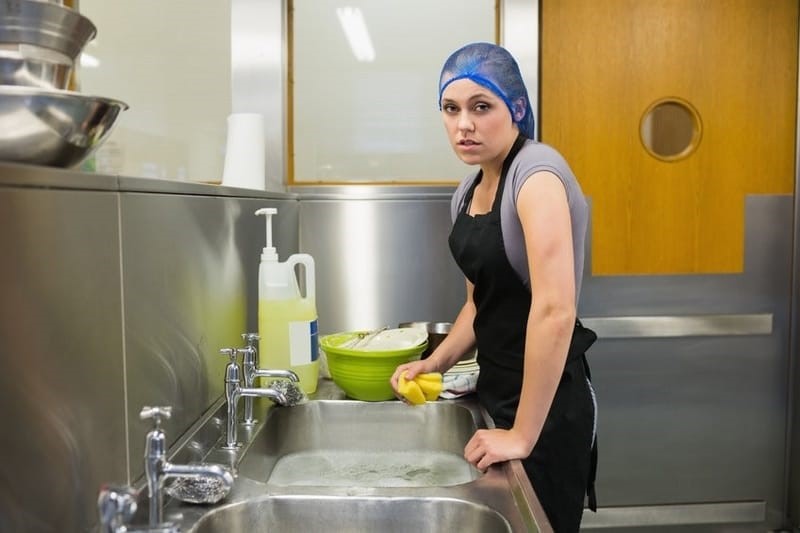
Certified food protection managers have a lot on their plate with the day-to-day operation of their food business, so it’s important to have systems in place to streamline their operation. Designing a facility cleaning and sanitation schedule can free up time for other managerial tasks while your staff knows how to maintain a safe environment for food production. While a plan will look different based on your operation, we can give every Minnesota certified food protection manager a head start designing a custom sanitation and cleaning schedule.

Image credit: lopolo via 123rf

Food Cleaning and Sanitation Schedule Template for Every Certified Food Protection Manager

A certified food protection manager who are creating a cleaning and sanitation schedule, you should break it into sections based on frequency. You should consider which cleaning tasks occur:

  • Frequently
  • Daily
  • Weekly
  • Monthly

Immediate cleaning tasks include sanitizing prep surfaces after use, washing soiled utensils and changing sanitation solutions. These tasks should be easy to identify and your staff should be trained to do them habitually, but it never hurts to have a written plan identifying frequent food safety sanitation jobs.

Daily tasks can include sanitizing backsplashes in the dishwashing area, mopping floors and washing kitchen mats. You may also want to include inspecting raw food storage areas and refrigeration units for containers that need cleaning or spilled product that must to be thrown away. Daily tasks also can become routine, and a written record of these jobs makes training easier and ensure nothing becomes overlooked or neglected.

Weekly and monthly cleaning jobs are the most ignored unless there’s a written plan for these large projects. Weekly tasks may include cleaning storage racks in walk-in refrigerators, mopping infrequently used areas and washing garbage cans. Monthly sanitation projects might be a little harder to identify, and could be very specific based on the type of food business you operate, but these could include inspecting outdoor areas for pests, cleaning behind equipment and thorough hoof vent cleaning.

Are you a certified food protection manager that utilizes a cleaning and sanitation schedule?