How Certified Food Managers Use Hands-Free Features to Reduce Utility Costs

How Certified Food Managers Use Hands-Free Features

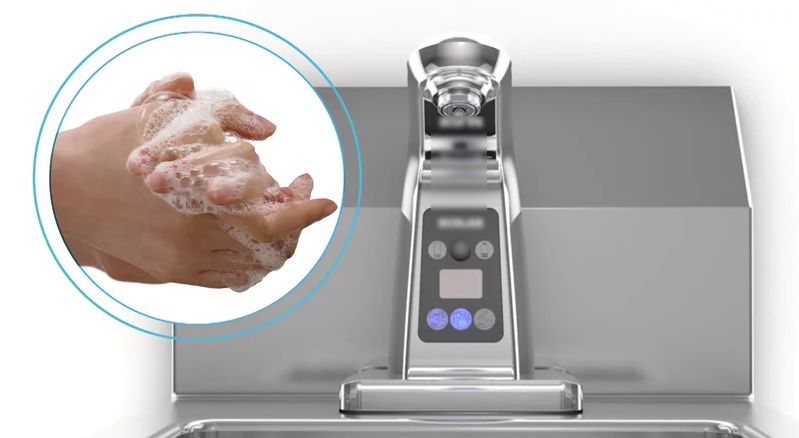
Many certified food managers utilize hands-free faucets and soap dispensers in their restaurant’s guest washrooms. These are attractive for many reasons. They keep utility costs down by only being on when someone is using them, and they generally keep guest washrooms cleaner. While restaurateurs take advantage of automated faucets in public places, there are numerous advantages to incorporating hands-free devices in the work areas of your kitchens.
How Certified Food Managers Use Hands-Free Features
Image Credit: EcoLab at NRA Show via Vimeo

How Hands-Free Options Can Lower Utility Bills

Faucets in food-service handwashing stations can be covered in countless bacteria. Soiled hands turn them on and leave contaminates from raw food and other sources on the handles. While proper handwashing technique requires faucets to be turned off with a paper towel, this does not completely eliminate bacteria on the surface. Installing a hands-free system will prevent dirty hands from spreading bacteria to faucets and reduce the risk of spreading pathogens by turning on and off the faucet.

Hand-free faucets also reduce waste. These systems only turn on when an employee is actively using the sink. This keeps the water from running while an employee dries their hands or forgets to turn it off completely. The back of the house uses more water than guest bathrooms, and reducing water waste in the kitchen can go a long way towards keeping utility costs in check.

Hand-free faucets are not the only energy saving solution for your kitchen. Installing motion-sensor light switches will keep lights off in rooms that are often empty such as janitorial closets, dry storage areas and employee break rooms. Rising electricity rates can eat into your bottom line, and making sure that unused areas are not needlessly lit can help your profit margin.

Hand-free faucets and motion-sensor light switches are only two ways certified food managers can control their utility costs. Do you use any other kinds of automation in your facility to your lower your monthly bills?


The Hidden Mental and Physical Costs of Being a Certified Food Manager

Costs of Being a Certified Food Manager

TV networks and reality shows tend to glamorize the life of the professional chef. One thing they don’t show is the toll that years of working in hot, stressful environments inflicts on hard-working professionals. We recently came across an article out of Canada that explores some of these issues, and we’d like to take a look at some of them this week.

Costs of Being a Certified Food Manager
Copyright: bruno135 / 123RF Stock Photo

The Toll the Industry Takes on Certified Food Managers

While talking to Certified Food Managers at busy and successful restaurants, we’ve heard kitchen service compared to any other job where deadlines exist, except that you only have 15 minutes to meet each deadline, you have a hundred of them in a single shift, it’s 103 degrees, you have hungover, foul-mouthed coworkers wielding scalding pans and razor sharp knives, and you have to repeat the process five or six days a week.

This scenario results in high levels of anxiety among food service professionals, and those levels tend to rise with responsibility. Executive chefs and food service supervisors are commonly known to put in more than sixty hours a week at their establishments. This can cause a mental breakdown when you combine shear exhaustion and the stress that comes from their position. As a certified food manager, it’s important to recognize the symptoms of stress and anxiety and take care of yourself before the environment leads to serious physical and mental health issues.

Another interesting issue brought up is that restaurant workers have easy access to alcohol, and the nature of their work puts them in an environment with other young adults who commonly seek a seat at the bar after hours. The author of this article goes on to suggest that with over half of restaurant workers being under the age of 35, many do not have the family commitments older professionals do, and the easy access to a few drinks after work can lead to alcohol and drug abuse problems.

While a chef is not a nanny or a parent to their staff, they can still do something to ease the stress and prevent problems from arising. The first thing is to recognize issues before they get out of hand. A food service manager should do their best to mentor the young people on their staff.

What are some of the unique issues that are important to you as a food industry professional?

The Horrors of Allergens and the MN Certified Food Manager

The Horrors of Allergens and the MN Certified Food Manager

The MN certified food manager’s biggest Halloween nightmare isn’t the monster under the bed or the boogieman hiding in the closet, it’s seeing a young guest sickened by contact with an allergen such as peanuts. On Halloween, many food-service outlets pass out treats to costumed children as trick-or-treating moves to popular business centers and local shops.

The Horrors of Allergens and the MN Certified Food Manager
Photo Credit: Josh Hallett via Flickr

Preventing Allergic Reaction to Peanuts During Halloween Events

If you plan on handing out candy, a couple of steps will prevent any possibility of serving peanuts to children with allergies. Do some research and find candies that come from facilities where no peanuts are processed. This may take a little time, but it will be worth it to prevent even one accidental allergy attack.

Peanuts are not the only issue to worry about. Many children cannot consume wheat, dairy or soy. Numerous candy manufacturers produce products without these ingredients. Having an alternate supply of candy for these children will result in happy super heroes, ghosts and princesses this October 31st.

Finally, make sure that all candy you pass out is factory sealed. We know you love the opportunity to show off what your restaurant can do, but many families will only take factory sealed candies and treats. Serving factory sealed treats prevents any possible cross contamination that can occur after costumed guests have collected their bounty from your establishment. If you’re looking for an opportunity to gain guests from this event, consider handing out coupons or menus with candy rather than attempt to entice families in with freshly prepared treats.

Do you do anything special for your guests and trick-or-treaters to celebrate the fall holidays?

Certified Food Manager Training For Multiple Employees

Benefits of More than One Certified Food Manager

Minnesota food code requires food service businesses to have at least one ServSafe manager on staff. If you own a restaurant or any other type of food preparation facility, you may wish to consider the benefits of having more than one supervisor or staff member undergo online certified food manager training.

Benefits of More than One with Certified Food Manager Training
Copyright: kurhan / 123RF Stock Photo

The Benefits of More than One Certified Food Manager

We see many positives when it comes to going beyond the minimum and having multiple ServSafe trained employees. Some of these positives include:

  • Greater food safety coverage
  • Scheduling flexibility
  • Trained staff available for promotions
  • Protection of your financial bottom line

Having extra employees with the knowledge that online Certified Food Manager training provides will go a long way towards keeping your guests safe from food-borne illness. The knowledge of how bacteria spreads and infects those who consume tainted food is key to stopping it from happening in the first place.

Hedging your bets with several certified food managers gives your business more flexibility when it comes to staffing. If your head chef or top supervisor takes an extended vacation, another team member can be ready to step up. This also makes it easier to fill any vacancies. If you encounter a situation where your manager has to vacate his position for any reason, you have key personnel ready to take their place without the need for training, certification or going through the long process of hiring a new supervisor from an outside source.

Finally, the more knowledgeable your staff the better they can protect your bottom line. Trained personnel will know how to prevent waste and how to store food properly. They will also make fewer food handling mistakes, preventing cross-contamination and the loss of food that has not been handled in a safe manner. When you’re serving food that is fresh and free of pathogens, you’re patrons will know the difference and you’ll gain more returning customers.

Does your food service business have enough coverage? If not, we gladly offer online ServSafe training and can create instructor led courses tailored to your needs.