Certified Food Managers and Touch Screen Devices

Certified Food Managers and Touch Screen Devices

With modern advances in technology, certified food managers and touch screen devices are becoming inseparable.Managers rely more and more on handheld and mobile devices for everything from scanning and checking in deliveries to giving servers the ability to place an order directly from a guest’s table. These devices make our jobs easier, but are they creating a new risk that could possibly spread food-borne illnesses?

Certified Food Managers and Touch Screen Devices
Image credit: 123rf – Tyler Olson

Sanitation, Certified Food ManagersĀ and Touch Screen Devices

While these touch screens may look clean, over the course of a workday, or even with one use, bacteria and other potential contaminates will transfer from the user’s fingers onto the surface. These contaminates can then be transferred to the hands of anyone else handling the device and make their way onto plates, serving utensils and prepared food.

Current trends show that these touch screens are not only utilized by front-of-the-house staff, they are becoming more popular in the back of the house as well. Some kitchens have replaced the receipt ticker with a screen where filled orders can be swiped away with the flick of the finger and tablets are being used for everything from inventory control to time clocks. The back of the house presents the greatest risk of cross contamination, so extra care must be taken when handling these devices in food preparation areas.

Handwashing and training will be key to keeping your food safe. Certified food managers need to remind every member of their staff that they must wash their hands after using one of these devices for any reason. It may not occur to them that a simple swipe with one finger could result in a contaminated product. It may also be wise to ask your janitorial or food service provider if they have a product that will safely sanitize your touch screens without damaging them.

Do you utilize touch screens in your operation? If so, let us know how in the comments section below.

Certified Food Managers and January Marketing Ideas

Certified Food Managers and January Marketing Ideas- Vegetarian

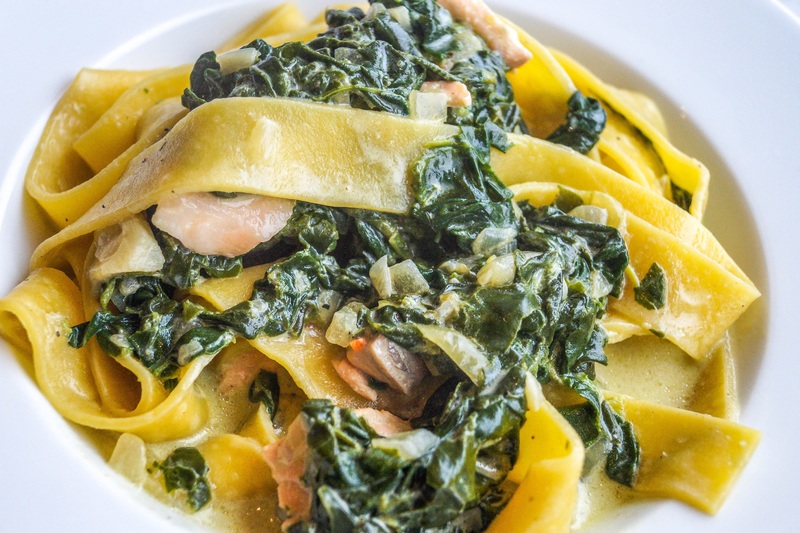
With the holiday rush over and the new year beginning, January can be one of the slowest months of the year for food service businesses, restaurants in particular. Many potential diners swear off eating out in favor of healthier options and others attempt to conserve their finances to make up for over spending on Christmas presents and December activities. While business declines, it does not necessarily halt completely and there are ways certified food managers can cater to guests looking to start a new diet or stick to a budget.

Certified Food Managers and January Marketing Ideas- Vegetarian
Image credit: 1283603-pxhere.com

How to Bring in Guests After the Christmas Season

When the clock strikes 12 on December 31st, many people resolve to eat healthier in the new year. Certified food managers can capitalize on these resolutions by providing new, healthier options on their menus or as rotating specials. Some popular diet choices include:

  • Gluten-free
  • Vegetarian
  • Zero sugar
  • Low-carb

Your creative kitchen staff should be able to come up with dishes that appeal to those seeking to lose weight via one of these popular diets, the only challenge is getting the word out that you have these items available. Social media is a great outlet to draw attention to your new menu choices. Posting pictures and highlighting the dietary benefits of these new dishes will grab the attention of your possible guests searching for healthy dining outlets.

Reaching people with a limited budget presents both a challenge and an opportunity. Restaurateurs need to go further than offering discounted menu item or distributing coupons. Offering visitors to your establishment something special at an affordable rate will appeal to a wider range of patrons than a simple coupon. Three course meals are a popular choice. You can offer guests smaller portions and give them a full meal experience that fits in their budget. Just make sure that you’re presenting them with a creative option rather than a scaled down version of regular menu items. Your creativity will be rewarded.

If you have any other tips for generating business during the January lull, please feel free to share them in the comments section below.

The Certified Food Manager and the Preparation of Large Roasts

The Certified Food Manager and the Preparation of Large Roasts

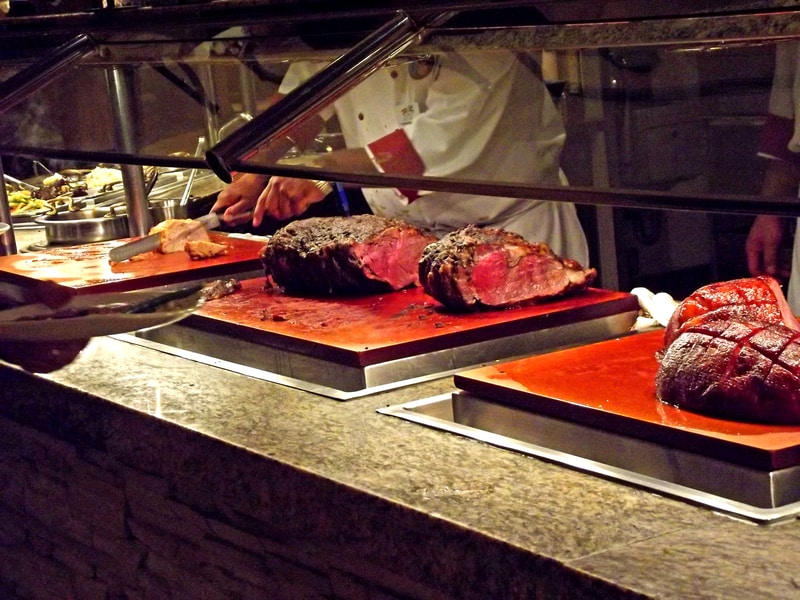
Roasts and turkeys are common items served on holiday buffets and catered parties. These items bring with them a unique food-borne illness potential, and certified food managers should take steps to ensure that their roasted meat is safe for their guests.

The Certified Food Manager and the Preparation of Large Roasts
Image credit: commons.wikimedia.org

How Certified Food Managers Can Prevent the Spread of C. perfringens

C. perfringens ranks as one of the most common food-borne illness culprits. This bacterium exists in raw meat and poultry, and it historically causes outbreaks in facilities such as nursing homes and schools and at catered events where large quantities of food consist of roasted meat. To reduce the risk of the spread of illness, it’s important that all poultry is cooked thoroughly and to and internal temperature of 165 degrees, and meat roasts must reach an internal temperature of 145.

Larger portions of meat pose a second hazard when it comes time to cool and refrigerate them. Big chunks of poultry, beef and pork cannot simply be placed in the refrigerator whole. The Minnesota Food Code outlines proper cooling procedures for this type of product.

  • All product must be cooled from 140 degrees to 70 degrees within two hours and to 41 degrees after reaching 70 within four hours
  • Large portions must be sliced or cut into smaller sections
  • Meat should be placed into shallow pans
  • If necessary, an ice bath should be used to bring cooling foods down to 41 degrees as soon as possible

While it’s important to be diligent throughout the rest of the year, the holiday season brings out many guests who may not often frequent your establishment, so proper cooking and cooling procedures are a must. If your outlet serves children, the elderly or other high-risk groups, make sure that your staff is fully trained on these procedures.

We’d like to know what your favorite holiday meals are. Leave your go-to dishes in the comments section below.

How Certified Food Managers Use Hands-Free Features to Reduce Utility Costs

How Certified Food Managers Use Hands-Free Features

Many certified food managers utilize hands-free faucets and soap dispensers in their restaurant’s guest washrooms. These are attractive for many reasons. They keep utility costs down by only being on when someone is using them, and they generally keep guest washrooms cleaner. While restaurateurs take advantage of automated faucets in public places, there are numerous advantages to incorporating hands-free devices in the work areas of your kitchens.

How Certified Food Managers Use Hands-Free Features
Image Credit: EcoLab at NRA Show via Vimeo

How Hands-Free Options Can Lower Utility Bills

Faucets in food-service handwashing stations can be covered in countless bacteria. Soiled hands turn them on and leave contaminates from raw food and other sources on the handles. While proper handwashing technique requires faucets to be turned off with a paper towel, this does not completely eliminate bacteria on the surface. Installing a hands-free system will prevent dirty hands from spreading bacteria to faucets and reduce the risk of spreading pathogens by turning on and off the faucet.

Hand-free faucets also reduce waste. These systems only turn on when an employee is actively using the sink. This keeps the water from running while an employee dries their hands or forgets to turn it off completely. The back of the house uses more water than guest bathrooms, and reducing water waste in the kitchen can go a long way towards keeping utility costs in check.

Hand-free faucets are not the only energy saving solution for your kitchen. Installing motion-sensor light switches will keep lights off in rooms that are often empty such as janitorial closets, dry storage areas and employee break rooms. Rising electricity rates can eat into your bottom line, and making sure that unused areas are not needlessly lit can help your profit margin.

Hand-free faucets and motion-sensor light switches are only two ways certified food managers can control their utility costs. Do you use any other kinds of automation in your facility to your lower your monthly bills?