Proposed Changes In The MN Food Code Will Effect Kitchen Equipment Requirements

Proposed Changes In The MN Food Code Will Effect Kitchen Equipment

In the coming months, the Minnesota Department of Health will be making some changes to the current food code. One of those changes deals with the types of certifications equipment in industrial kitchens must have. This week, we’ll take a look at how changes in the MN food code will effect kitchen equipment decisions and how it impacts certified food managers in Minnesota.

Proposed Changes In The MN Food Code Will Effect Kitchen Equipment
Image credit: American National Standards Institute

New Changes In The MN Food Code Will Effect Kitchen Equipment Choices

According to the new regulations, MN certified food managers will have much more freedom as to what equipment they use in their establishment. There will no longer be the requirement for all equipment to be NSF (National Sanitation Foundation) certified. This does not mean that anything goes when it comes to your equipment; certain equipment will still need to be certified for sanitation by an ANSI (American National Certification Institute) certification program. These 10 types of equipment still require sanitation certification:

  • Warewashing Sinks
  • Mechanical Warewashing Equipment
  • Mechanical Refrigeration Units
  • Walk-in Freezers
  • Hot-Holding Equipment
  • Cooking Equipment other than Microwaves and Toasters
  • Ice Machines
  • Mechanical Slicers
  • Mechanical Tenderizers and Grinders
  • Food Preparation Surfaces, including Prep Sinks

So, how does a certified food manager know whether or not their equipment is certified by the proper agency? Most industrial kitchen equipment will have a stamp, label or other markings indicating that it has been classified for sanitation. If you have a piece of equipment that is listed above without any visible markings, contacting the product manufacturer or your local health department’s office may help you find the necessary information.

With these upcoming changes to equipment sanitation classifications, now may be a good time for certified food managers to make a quick inspection of all of the equipment on the list to ensure they have the proper certification. We feel that widening the scope to any ANSI sanitation standard gives food production facilities more flexibility when it comes to equipment choices. How do you feel about changes in the MN food code will effect kitchen equipment? Will it mean more freedom or more burden?

Certified Food Managers and Air Curtain Use

Certified Food Managers and Air Curtain Use

Nearly every restaurant has a door propped open from time to time, whether it’s a backdoor to an alley with access to dumpsters or garbage storage, a delivery entrance or even a front door that remains open during hot summer months or periods of increased traffic during busy times. Leaving any door open in a food processing facility leads to the risk of contaminates entering the building via insects, fumes or dirt and dust. It also leads to an energy cost nightmare when heating and air-conditioning systems constantly kick on and off. If this is a problem in your facility, you may want to consider how certified food managers and air curtain use work together – click this air-curtain system link.

Certified Food Managers and Air Curtain Use
Image credit: Berner International

How Certified Food Managers and Air Curtain Use Keep Contaminates Out

Back doors and delivery entrances are especially susceptible to being left propped open. This can allow fumes from a delivery truck, flies, insects and other contaminates enter your kitchen. An air curtain can be effective in preventing these types of things from becoming a hazard.

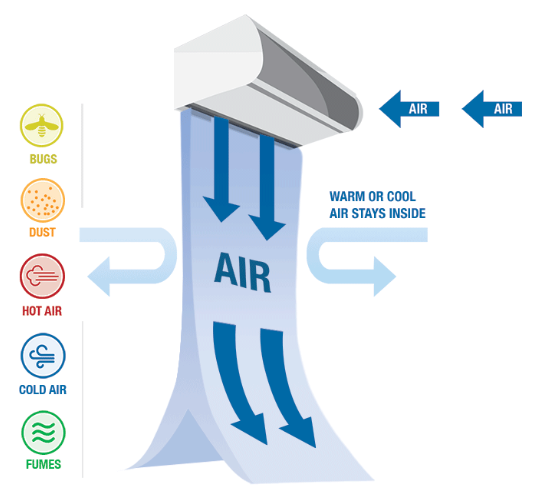
Air curtains work by collecting air in their fan housing and then forcing it from the unit at the top of door frames towards the floor. This creates a wall of air that cannot be penetrated by small insects, dust particles and fumes. It allows doors to be opened for extended periods of time while reducing the risk of outside contaminates from entering your facility. This barrier of air also keeps hot or cold air out, allowing you to better regulate the interior temperature of your establishment. Keeping your open doors protected gives certified food managers one less risk to worry about.

If you have a delivery door or a backdoor that is constantly open, we recommend looking into an air curtain to reduce the risk of pests and fumes from entering your kitchen. Do you utilize an air curtain in your facility? How do you feel about them? Leave us your thoughts on these certified food managers and air curtain use incites.

Certified Food Managers and Changes in their Title and Requirements

Certified Food Manager CFM to Certified Food Protection Manager(CFPM)

As we’ve discussed in previous articles, the Minnesota Department of Health has proposed the first major update to the food code in quite some time. One important aspect of these changes includes the altering of certain terms that are commonly used in the code. This week, we’ll break down the change in terminology as it relates to the title of Certified Food Managers.

Certified Food Manager CFM to Certified Food Protection Manager(CFPM)
Image credit: Chef Kev Ashadevia – Wikipedia Commons – Vgreen19

Upcoming Changes for Certified Food Managers in the MN Food Code

We notice right away that the title of certified food managers is changing. The new language in the code will refer to the Certified Food Protection Manager. This is a slight change, but something worth taking note of. The duties and training required for the Certified Food Protection Manager (CFPM) will remain similar to previous requirements with a few exceptions.

One reason for this change is to clarify that the requirement for outlets to have a CFPM are based on risk rather than the type of facility where food production occurs. Under the new proposed food code, there will no longer be an exemption for mobile food units, such as food trucks or carts, temporary or seasonal facilities. These types of food producers will now be required to have a full-time CFPM based on their risk category.

The changes in the way the code deals with the certified food protection manager also clears up a few issues regarding certification and renewals. The instructor providing training and renewal courses must be certified themselves in order to provide certifications for students.

Finally, the Minnesota Department of Health is also altering the grace period allowed for renewal of certification. Rather than a full year, managers now only have a grace period of six months to complete their renewal requirements.

What do you think of the changes to the certified food protection managers in the new code? Will it affect how you go about your duties?

The Certified Food Managers and Major Recalls

Certified Food Manager and Major Recalls

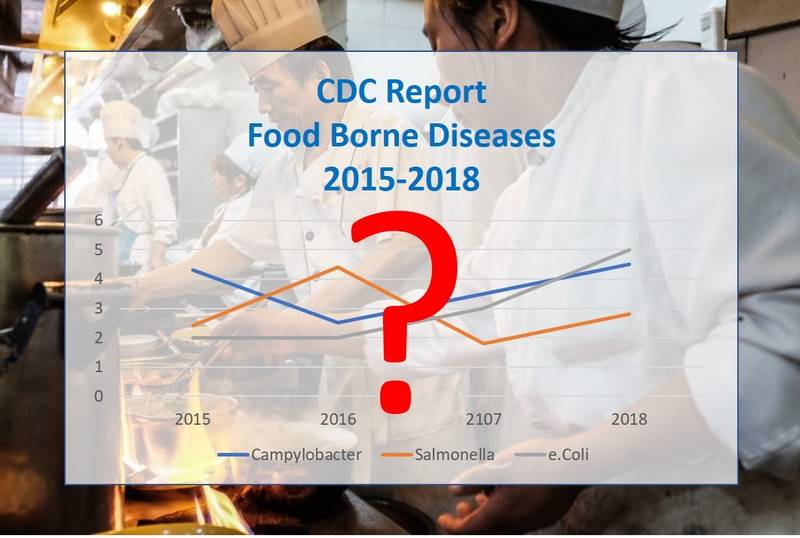
Last month, an outbreak of E.coli linked to romaine lettuce from Arizona left grocery store produce sections bare and certified food managers scrambling to find replacement ingredients for salads after a large amount of available product was pulled from the supply chain. When such an important ingredient suddenly becomes a potential food-borne illness risk, several steps must be taken.

Certified Food Manager and Major Recalls
Image Credit: JBSA Photo Gallery

Romaine Contamination and Certified Food Managers Reaction

The first step when news of a recall like this breaks must be to stop serving any potentially contaminated product. In this case, most romaine in restaurants and other food preparation outlets had to be thrown away. We must urge that you always take immediate and extreme action when something of this nature occurs. It would be better to err on the side of caution rather than contribute to an E.coli outbreak.

Due to the time of year, this recall affected much of the country. Cold spring weather in many states means suppliers need to rely on farmers in states such as Arizona where the weather is warm enough for this type of produce. Drastic action to recall lettuce was taken due to 98 potential cases in 22 states.

Once certified food managers remove product, they are left with a situation that compromises the availability of many items on their menu. So how does a kitchen manager adjust?

First, certified food managers should be up front and open with their guests. Placing a notice in the menu or in a visible location at a service counter, hostess station or cashier stand should be the first step. Your customers will understand if you let them know there has been a recall and, in the best interests of their health, you are unable to serve certain menu items for a short period of time.

Fortunately, with something such as romaine lettuce there are alternative ingredients. Green leaf or iceberg can serve as a temporary replacement if that is something that would be acceptable to your customers.

With the advances in technology and communication, many of these outbreaks have been contained before they become major disasters. How do you react when you have to pull product off of your shelves due to a recall?