Wonderful ServSafe Food Managers Guide To Chemical Storage

ServSafe Food Managers Guide To Chemical Storage

In order to keep kitchens and food businesses clean and operational, many types of cleaning chemicals are necessary. ServSafe food managers should take extra care with all chemical storage to prevent any kind of accidental contamination. How and where chemical supplies are stored can lead to poisoning of guests, if not done properly.

ServSafe Food Managers Guide To Chemical Storage
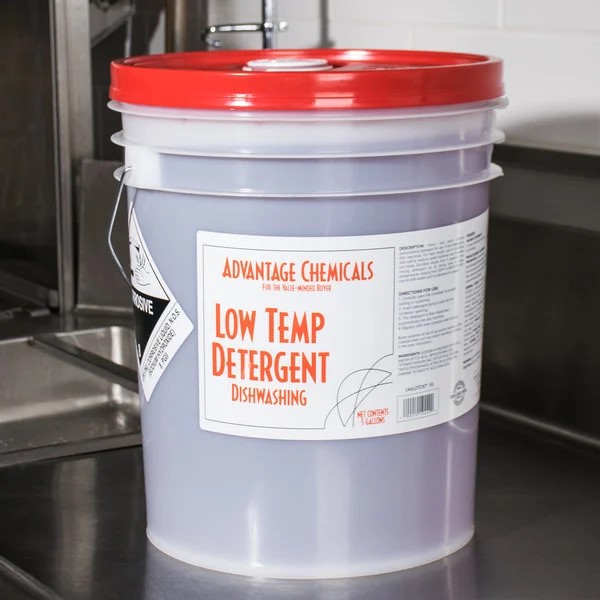
Image credit: webstaurantstore

How ServSafe Food Managers Should Store Chemical Cleaning Supplies

If cleaning chemicals end up in your food product it can cause stomach illness, potential liver and kidney damage and possibly death. It’s essential for ServSafe food managers to train their staff to be careful during use and storage of these types of items. ServSafe food managers should store cleaning and chemical products:

  • In Original Containers
  • Tightly Sealed
  • Separated from Food Product
  • At Ground Level if Possible

Keeping cleaning products in their original containers until they are ready to use will allow all staff to know exactly what is inside. Many chemicals, such as dish machine liquids, are usable in their original containers. It is necessary for some liquids such as glass cleaner to be transferred into a spray bottle or other container. Make sure these other containers are clearly labeled and never used for food product.

Keeping containers tightly sealed prevents leakage that may make its way onto employee’s hands, clothes or other parts of their body or uniform. When uniforms or hands are soiled or unwashed, they could make their way into food during preparation

The best practice ServSafe food managers can enforce with chemical storage is to keep them as far away from food storage areas as possible. In fact, keeping them in a separate area other than the kitchen is ideal. We know that this is not possible in many smaller facilities. But you should set aside space away from any food product in dry storage. Preferably as close to ground level to prevent spillage when handled.

Do you have a defined place for the storage of cleaning products in your kitchen?

Certified Food Protection Manager Training Made For Selected Learning Styles

certified food protection manager training styles

Education systems have been studied for ages, and one thing that has come to light in modern times is that not every student learns the same way. The same can be said about certified food manager candidates. That’s why we have a few different options for certified food manager training that can appeal to multiple learning styles. Let’s take a look at ways you can find the certified food protection manager training that is most effective for your learning style.

Approved Styles for Certified Food Protection Manager Training

There are three styles of ways candidates can take the certified food protection manager training:

  • In Person
  • Online
  • Private Group Training

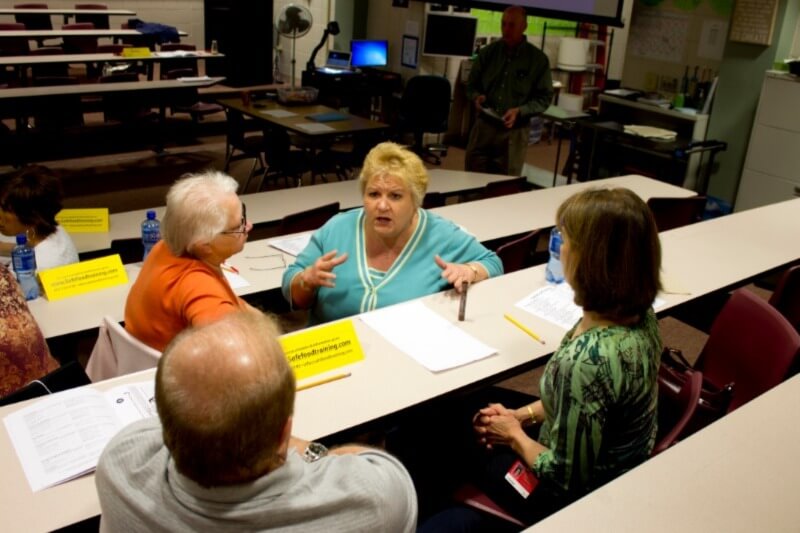
Many students crave interaction with a knowledgeable instructor. Some candidates love the experience of sitting in a room of their peers and having camaraderie with fellow food service managers, and these circumstances increase their chances of retaining knowledge. If you’re one of those types of learners, you may take a look at the schedule and find a class and a time near you to schedule your certification training.

Certified Food Protection Manager Training Made For Instructor Led Learning Styles

There are some students, however, that are self-driven or may become easily distracted in a large classroom environment. Their mind may wander to other topics while the instructor is talking, or they simply might have a tune stuck in their head preventing the absorption of knowledge. These folks often like to research topics they have questions on rather than engage in discussions, or study better with music in the background in a solitary setting. Online certified food protection manager training may be the best option in these cases.

Certified Food Protection Manager Training Made For Online Learning Styles
Image credit: Christina Morillo via pexels

The third option would require the support of your business, but private group training can offer a much better tailored certification training session since the instructor can focus on the food safety training needs of your unique facility. If you run a food business and would like to train multiple candidates, this choice will provide numerous benefits over leaving your staff on their own to find their certification training.

Finally, be aware that no matter which certified food manager course you choose, the exam must be taken in person in order to gain your certificate. These must be scheduled at announced times and be overseen by a food safety training instructor.

Do you find that your learning style relates better to online learning or in-person classes?

What Minnesota Food Managers Need to Know About Listeria

What Minnesota Food Managers Need to Know About Listeria

With recent national listeria outbreaks linked to soft cheeses and packaged deli meats, we’ve been asked what Minnesota food managers can do to prevent listeria from becoming an issue in their facility. To understand how to prevent a listeria outbreak, it’s important to take a look at how they get started.

What Minnesota Food Managers Need to Know About Listeria
Image credit: milkos via 123rf

How Minnesota Food Managers can Reduce Listeria Risks

The most common causes of listeria poisonings come from soft cheese, processed meats, ice cream and raw vegetables at the mass production level. Due to some of these items being prepared in large batches, the danger exists for ingredients to be held at temperatures conducive to listeria bacterial growth. This is why we tend to see widespread recalls rather than smaller outbreaks on local levels since many of these items are produced in large facilities.

Minnesota food managers at production facilities that generate mass quantities of any product need to take extra precautions to prevent listeria risks. Keep large batches of ingredients out of danger zone temperatures and ensure that your heating and cooling procedures are fast enough to reduce the risk of bacteria and other pathogens from growing as your product moves through the danger zone.

Most Minnesota food mangers work with food at smaller volumes in restaurants, cafeterias and other service industries rather than at the mass production level, so what can they do to reduce listeria risk? If you work with processed meats and soft cheese, make sure that they are always stored under 41 degrees Fahrenheit. This will prevent bacteria from forming during storage.

Secondly, pay close attention to CDC/FDA recalls and safety alerts. This is the best way to stay up to date on the latest recalls concerning potentially contaminated product.

Do you have a handle on storage for deli meats and soft cheeses to keep them safe?

New Certified Food Managers Fundamentals For Washing Large Kitchen Tools

New Certified Food Managers Fundamentals For Washing Large Kitchen Tools

Certified food managers know that washing and sanitizing utensils, tools and preparation surfaces keeps food safe, but some items in kitchens present a challenge when it comes to sanitation. Long cutting boards, giant mixers, slicers and other types of equipment are simply too large to run through your dishwashing machine or wash in a triple sink. Let’s take a close look at how certified food managers properly wash these large kitchen tools to keep them clean and sanitary for production.

New Certified Food Managers Fundamentals For Washing Large Kitchen Tools
Image credit: belchonock via 123 rf

How Certified Food Managers Can Wash Large Kitchen Tools Properly

We’ve all seen those long cutting boards that run the length of the production line or the giant mixers used to make dough in massive batches, and we all know the challenges in keeping these items sanitary. Certified food managers know that simply wiping large kitchen tools like these long cutting boards down with a properly mixed sanitizer may not cut it; more care needs to be taken in order to properly clean these them.

When dealing with long cutting boards or moveable preparation surfaces that cannot fit in your warewashing machine, it’s important that both top and bottom of these boards are cleaned and sanitized. You may not use the bottom of the board, but that doesn’t mean that contaminates haven’t made their way underneath and begun to breed foodborne illness hazards. We suggest removing these boards from your line and finding an appropriate area to scrub and sanitize both sides. We’ve heard that some certified food managers utilize the top of an empty triple sink in order to create enough space to clean large kitchen tools like these long cutting boards properly.

Large mixing bowls, giant storage containers and other awkward implements present another challenge. These aren’t necessarily the easiest to scrub and sanitize. Rather than simply wiping them out with a sanitizer solution, we suggest certified food managers move unwieldy kitchen tools into your dish washing area in order to have access to hot water and the necessary detergents to clean properly. After being scrubbed, make sure that these large containers are thoroughly rinsed, sanitized and allowed to air dry before their next use.

Do you have a plan for those awkward kitchen tools that don’t fit in a conventional warewashing machine?