Spotlight On Food Safety Training For Live Holiday Carving Stations

Food safety training for holiday carving stations

Christmas is upon us, so holiday parties keep catering companies and many restaurants busy with special events. Live chef-manned carving stations are in high demand at these holiday gatherings. However, with those stations come special food safety training procedures that are not typically covered in day-to-day training. Let’s look at how to put on a good show for guests at the carving station while prioritizing food safety training.

Spotlight On Food Safety Training For Live Holiday Carving Stations
Image credit: vichie81 via 123rf

Food Safety Training for Buffet Carving Stations

Temperature control and containing the mess that comes with carving stations are the two most significant food safety training issues. However, there are easy solutions to keeping food hot and safe for guests.

If you plan on doing these types of events often, you may wish to invest in a heat lamp that will keep food hot. Many styles of heat lamps and specialty cutting boards with heat lamps are attached. If you choose not to use a heat lamp, remember food needs to be kept out of the danger zone. Be sure to review time and temperature control rules.

Unless you plan on overcooking your roasts, hams, prime rib, or turkey breast to the point they are too dry for human consumption, there will be juices, fats, and other parts of cooked meat that can cause a mess at these stations. When setting up your carving station, you’ll want to ensure that your boards have some drainage or way to capture liquids during service. The last thing you’ll want guests to see is pools of fat and meat juice covering buffet tables. These can spread to other items and create a huge mess. While there are boards out there with built-in cavities to contain runoff. Many catering companies utilize a sheet pan or other receptacle underneath cutting boards to contain waste.

Make sure you clean and sanitize boards regularly, ideally when swapping one roast for another, removing soiled boards, and replacing them with clean ones when necessary.

Do you have food safety training procedures for live-station service?

ServSafe MN Tips For Keeping Pests Out Of Your Garbage

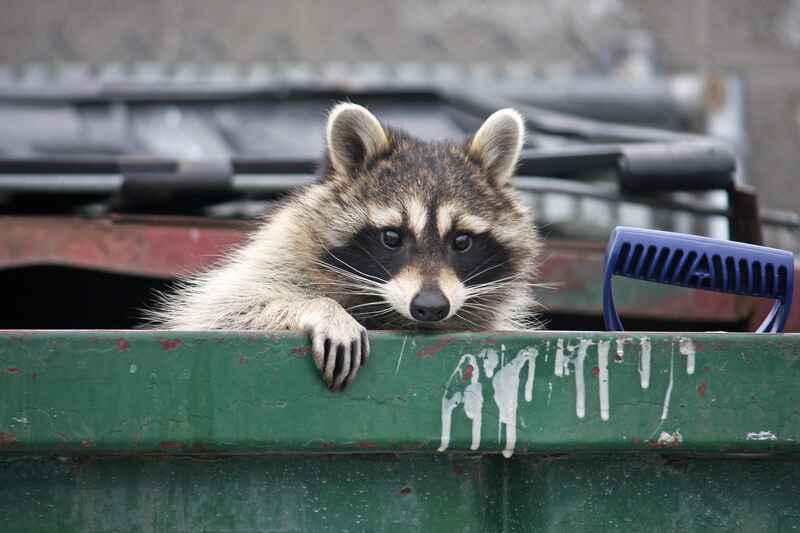
Most pest problems at food service facilities don’t begin inside the building but from the outside. Recycling bins, dumpsters, garbage cans, and food composting containers can attract insects, rodents, raccoons, and other invasive creatures that pose food safety risks and potentially eat into your business’ profits. We will provide ServSafe hints to help eliminate pest problems at your facility.

ServSafe MN Tips For Keeping Pests Out Of Your Garbage
Image credit: Dollarphoto

ServSafe MN Info for Keeping Pests from Getting into Your Facility

Reducing waste can help reduce your pest risks. However, there is no way to eliminate garbage, recyclable containers, and food scraps completely. Steps can be taken to prevent pests from inhabiting the areas where your garbage is stored until trash day.

  • Keep areas around trash bins clean
  • Bag all garbage
  • Rinse recyclables
  • Keep lids to trash receptacles closed
  • Seal and lock compost and food recycling containers

“To reduce the risk of rodents, it is essential to maintain cleanliness in your trash storage area. However, simply picking up spilled trash may not be sufficient to keep away odors. Servsafe managers know that certain pests, such as rodents, have a heightened sense of smell, so if you have a significant garbage spill, you may want to hose down the area to prevent odors from lingering. Bagging all garbage is also an effective way of reducing odors from attracting unwanted creatures. Rinsing bottles and cans will help keep pests, especially insects, away from your facility. If no food residue is left in your recyclables, there will be very little to attract pesky bugs. Once your trash and recyclables are in the appropriate receptacle, making sure the lids are closed is essential to keeping smaller animals from exploring what’s inside.

Secure Compost Containers

One current waste reduction trend is to compost the waste from vegetable products for gardening use around company property. If your facility composts, it’s essential to keep your composting bins sealed, and it may even be a good idea to keep them locked and away from the building. Purchasing plastic bins that are designed for this purpose will do the most to prevent attracting animals.

As with most food safety hazards, prevention, cleanliness, and diligence are the keys to keeping pests out of your outdoor trash storage areas. At Safe Food Training, we like to hear ideas from local food-certified managers. What ServSafe tricks do you use to keep pests out of your trash storage areas?

It’s Here: The Final CFPM Installment On Under Cooked Proteins

CFPM Installment On Under Cooked Proteins

In the final installment of our series on serving under cooked animal product, we will discuss the protein that is almost always ordered under cooked by CFPMs. Breakfast customers rarely order eggs well done. They are critical elements in many sauces and give custards rich textures. Looking at the Minnesota food code temperature rules, we can see that eggs cooked for hot holding must reach a temperature of 155 degrees for at least 15 seconds. How does this apply to over-easy eggs, Béarnaise sauce, and ice creams where the egg product never reaches 155 degrees?

CFPM Installment On Under Cooked Proteins
Image credit: J. Patrick Fischer via Wikipedia

CFPM and the Ubiquitous Under Cooked Protein- The Egg

If you work in a restaurant or institution that serves breakfast, you will receive numerous orders for eggs that are over-easy, sunny side up, or soft-boiled. These orders will leave the egg below the 145-degree temperature requirement stated in the food code for eggs prepared for immediate consumption. It is perfectly acceptable to cook and immediately serve an over-easy egg to a guest. The key is that they have to serve it immediately after cooking. Hence, you must include a warning if you serve undercooked eggs in your restaurant. “There may be a risk of foodborne illness when certain items are ordered undercooked.”

How do these rules apply to products like Hollandaise sauce, crème brulee, or ice cream? These items:

  • have eggs
  • have never reached 155 degrees
  • are not served immediately

The Minnesota food code insists that pasteurized eggs substitute raw eggs. Many chefs argue that liquid pasteurized eggs do not work for particular items. Thanks to modern advancements in sanitation and pasteurization, you can purchase whole, raw, pasteurized shell eggs. Although the liquid form of pasteurized eggs is the most common, your product supplier should have whole, raw pasteurized eggs available.
While discussing raw eggs, let’s take a brief moment to talk about homemade mayonnaise and aioli. These are two egg-based products that have never been cooked. If you serve house-made mayonnaise:

  • only use liquid pasteurized eggs
  • always store it below 41 degrees.

Remember, you should never hold undercooked eggs in a warmer or a steam tray for service.

Successful Food Safety Managers Deal With Frightening Allergen Trends

Food Safety Managers Deal With Frightening Allergen Trends

With increasing awareness concerning the effects of food allergens, businesses that sell, produce, and serve food products must try to step up their training regarding foods that can potentially cause allergic reactions in their patrons.

Successful Food Safety Managers Deal With Frightening Allergen Trends
Image credit:foodsafety.gov

Potential Allergens and Food Safety Certification MN

.

All food allergens fall into eight distinct groups:

  • Fish
  • Shellfish
  • Peanuts
  • Tree nuts
  • Soy
  • Milk and dairy
  • Eggs
  • Wheat and gluten

Easily recognizable in this list as potentially dangerous allergens: fish, shellfish, tree nuts, and peanuts. Handling these allergens with incredible care is vital to prevent them from coming into contact with other foods. People allergic to these can have severe and instant reactions to even the slightest contact.

Steps to Keep Food Product Safe from Allergens

Firstly, educating ourselves is crucial in dealing with potential allergens. Every employee with food safety certification in MN should know what potential allergens are and where they come from. Above all, a list of allergen categories and the foods in those categories must be easily accessible to those who work with food.

In addition to being aware of the significant allergen groups, food workers should know which allergens are in the foods they produce or serve. Awareness of products containing egg, milk, soy, or wheat ingredients is essential. Many of these ingredients can be known by different names that do not directly indicate they are derived from these allergens. Being familiar with the ingredients of pre-packaged sauces, spice mixes, and other food products that are brought in rather than made on-site is essential in preventing allergic reactions.

Finally, thoroughly clean any preparation tool that has come into contact with these potential allergens. Everyday items that come into contact with these foods are oven mitts, tongs, knives, slicers, and other production tools that frequently come into contact with food products.

With some training and diligence, it is possible to reduce the likelihood of accidental allergen contact significantly.