It’s Here: The Final CFPM Installment On Under Cooked Proteins

CFPM Installment On Under Cooked Proteins

In the final installment of our series on serving under cooked animal product, we will discuss the protein that is almost always ordered under cooked by CFPMs. Breakfast customers rarely order eggs well done. They are critical elements in many sauces and give custards rich textures. Looking at the Minnesota food code temperature rules, we can see that eggs cooked for hot holding must reach a temperature of 155 degrees for at least 15 seconds. How does this apply to over-easy eggs, Béarnaise sauce, and ice creams where the egg product never reaches 155 degrees?
CFPM Installment On Under Cooked Proteins
Image credit: J. Patrick Fischer via Wikipedia

CFPM and the Ubiquitous Under Cooked Protein- The Egg

If you work in a restaurant or institution that serves breakfast, you will receive numerous orders for eggs that are over-easy, sunny side up, or soft-boiled. These orders will leave the egg below the 145-degree temperature requirement stated in the food code for eggs prepared for immediate consumption. It is perfectly acceptable to cook and immediately serve an over-easy egg to a guest. The key is that they have to serve it immediately after cooking. Hence, you must include a warning if you serve undercooked eggs in your restaurant. “There may be a risk of foodborne illness when certain items are ordered undercooked.”

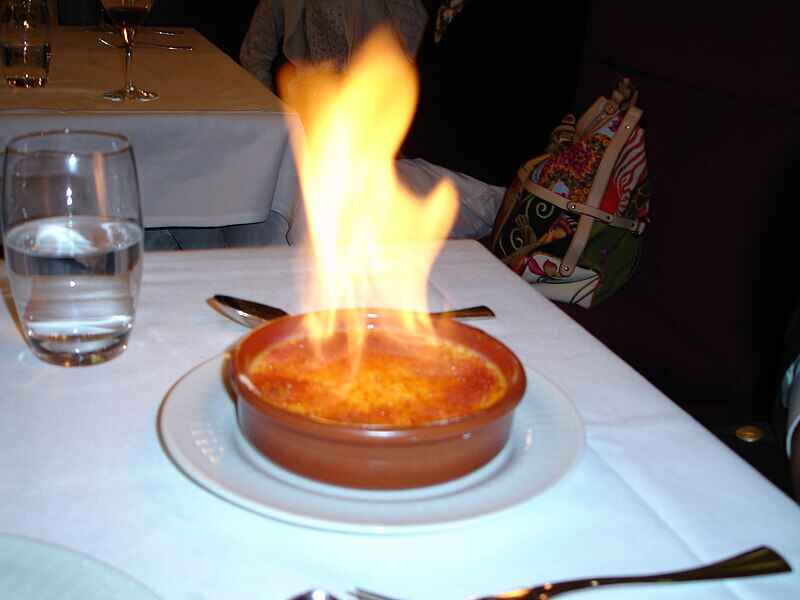
How do these rules apply to products like Hollandaise sauce, crème brulee, or ice cream? These items:

  • have eggs
  • have never reached 155 degrees
  • are not served immediately

The Minnesota food code insists that pasteurized eggs substitute raw eggs. Many chefs argue that liquid pasteurized eggs do not work for particular items. Thanks to modern advancements in sanitation and pasteurization, you can purchase whole, raw, pasteurized shell eggs. Although the liquid form of pasteurized eggs is the most common, your product supplier should have whole, raw pasteurized eggs available.
While discussing raw eggs, let’s take a brief moment to talk about homemade mayonnaise and aioli. These are two egg-based products that have never been cooked. If you serve house-made mayonnaise:

  • only use liquid pasteurized eggs
  • always store it below 41 degrees.

Remember, you should never hold undercooked eggs in a warmer or a steam tray for service.
Successful Food Safety Managers Deal With Frightening Allergen Trends

Food Safety Managers Deal With Frightening Allergen Trends

With increasing awareness concerning the effects of food allergens, businesses that sell, produce, and serve food products must try to step up their training regarding foods that can potentially cause allergic reactions in their patrons.

Successful Food Safety Managers Deal With Frightening Allergen Trends
Image credit:foodsafety.gov

Potential Allergens and Food Safety Certification MN

.

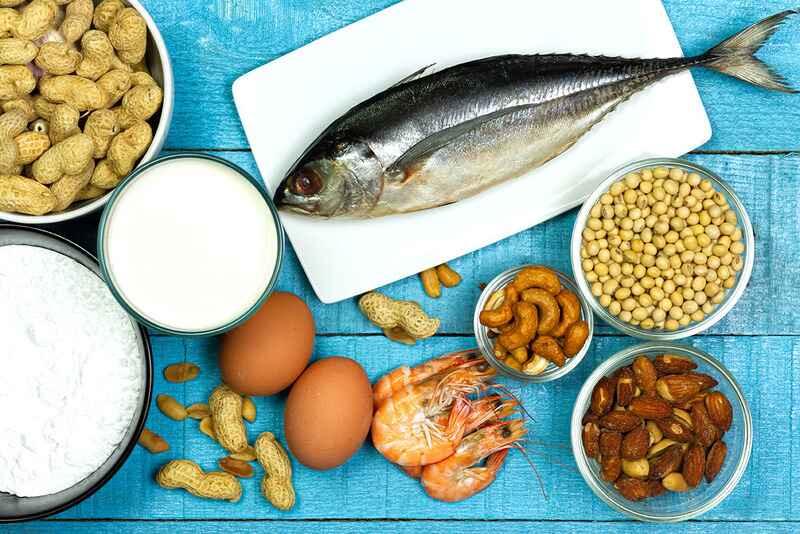
All food allergens fall into eight distinct groups:

  • Fish
  • Shellfish
  • Peanuts
  • Tree nuts
  • Soy
  • Milk and dairy
  • Eggs
  • Wheat and gluten

Easily recognizable in this list as potentially dangerous allergens: fish, shellfish, tree nuts, and peanuts. Handling these allergens with incredible care is vital to prevent them from coming into contact with other foods. People allergic to these can have severe and instant reactions to even the slightest contact.

Steps to Keep Food Product Safe from Allergens

Firstly, educating ourselves is crucial in dealing with potential allergens. Every employee with food safety certification in MN should know what potential allergens are and where they come from. Above all, a list of allergen categories and the foods in those categories must be easily accessible to those who work with food.

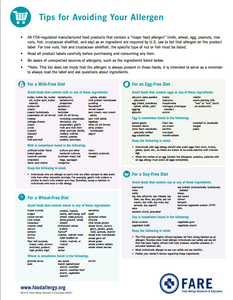
In addition to being aware of the significant allergen groups, food workers should know which allergens are in the foods they produce or serve. Awareness of products containing egg, milk, soy, or wheat ingredients is essential. Many of these ingredients can be known by different names that do not directly indicate they are derived from these allergens. Being familiar with the ingredients of pre-packaged sauces, spice mixes, and other food products that are brought in rather than made on-site is essential in preventing allergic reactions.

Finally, thoroughly clean any preparation tool that has come into contact with these potential allergens. Everyday items that come into contact with these foods are oven mitts, tongs, knives, slicers, and other production tools that frequently come into contact with food products.

With some training and diligence, it is possible to reduce the likelihood of accidental allergen contact significantly.

Expert Certified Food Manager Warning About Serving Raw Seafood

Expert Certified Food Manager Warning About Serving Raw Seafood

Earlier this month, we discussed the dangers of serving undercooked ground beef, even at customer request. This week, we’d like to look at a few issues that a certified food manager must know when they serve undercooked or raw seafood products.

Expert Certified Food Manager Warning About Serving Raw Seafood
Image credit: ralph via pixexid

Certified Food Manager Tips for Properly Handling Raw and Undercooked Seafood

Raw seafood can be a susceptible product. A food manager must be vigilant to keep it safe whether you plan to serve sushi or fully-cooked fish and chips. If your facility prepares or serves any seafood product, you must serve the freshest fish and shellfish possible. Once you have received your product, keep it out of the danger zone and as cold as possible. We recommend storing your raw seafood product under ice, even under refrigeration.

Suppose you plan on serving raw or raw-marinated seafood products such as sushi, ceviche, lox, or seafood tartare. In that case, you must follow specific guidelines in the Minnesota food code. Except for certain types of fresh tuna, you must freeze any seafood you plan to serve uncooked first. This will help eliminate parasites. If your product is kept at a low enough temperature for an extended period, common parasites in most seafood will be killed. Make sure that you freeze your product before preparation at:

  • -4 degrees Fahrenheit for 7 days in your freezer
  • -31 degrees Fahrenheit for 15 hours in a blast chiller

There is an exemption to the rule if a certified food manager is serving raw or raw marinated tuna. Despite this, we strongly suggest serving the freshest and coldest product possible.

As we discussed last week concerning burgers, some guests will request their seafood served undercooked. The seafood should be cooked to a temperature of 145 degrees and should be held at that temperature for 15 seconds. While you may still serve undercooked seafood at your customer’s request, we strongly advise you to adhere to the Minnesota food code when serving cooked seafood.

Menu Warning regarding Seafood

Finally, if a certified food protection manager plans to serve raw seafood, you must identify and inform your customers that your menu items are raw or undercooked. As with steaks and burgers, this can be quickly done by placing an asterisk next to the menu item, referring to a warning at the bottom of each menu page.

The Challenge Of Thermometer Cross-Contamination For CFPMs.

Challenge of thermometer cross-contamination for CFPMs

Certified food protection manager classes teach that using an internal probe thermometer is the best way to ensure food is cooked to the proper temperature. While a CFPM’s thermometer is one of the most essential tools in keeping your food safe, it poses an ominous cross-contamination risk that could lead to foodborne illness.

Challenge Of Thermometer Cross-Contamination For CFPMs.
Image credit: commons.wikimedia.org

Reducing the Risk of Cross-Contamination from a CFPM’s Probe Thermometer

Cross-contamination is a constant risk in any kitchen. We have three simple tips to ensure your probe thermometer is safe from this risk.

  • Sanitize your probe after each use
  • Always store your thermometer in its storage sleeve
  • Keep the storage sleeve clean

The probe thermometer is in constant contact with potential contaminants. It is used into every protein, ready-to-eat food, and chilled item. Whether someone inserts it into undercooked chicken, chilled soup for storage, or hot items in the cafeteria, sanitizing it after each use is vital. Remember, your thermometer is not clean just because it looks like it is.

Secondly, CFPMs should always store the probe monitor correctly. Never store your thermometer loosely on a countertop, in food, or in any location where potential contamination could occur. Finally, it is essential for CFPMs to keep your thermometer’s storage sleeve clean to minimize the cross-contamination threat. It is possible for bacteria to form in the sleeve and transfer onto the probe when it is not in use.

Remember to Calibrate Your Thermometer Regularly

While not necessarily a cross-contamination issue, we feel now would be a good time to remind all CFPMs to check and calibrate their thermometer often. To do this, set your thermometer to 32 and submerge the probe in a large glass of crushed ice and water, then give the thermometer time to calibrate

Thermometer cross-contamination is only one risk CFPMs must deal with. There are many small cross-contamination risks from utensils in every facility. At Safe Food Training, we want to provide tips on preventing even the slightest danger. What are the cross-contamination risks you feel are being overlooked in your facility?