A guest asks for a medium-rare cheeseburger during a packed dinner service, and the Minnesota Food Code does allow it in certain situations. But the answer involves more than a server asking whether the guest wants “a little pink.” Your menu, consumer advisory, cooking process, and staff training all play a part in handling that request correctly.
The Medium-Rare Cheeseburger Dilemma
A burger isn’t the same as a steak. Ground beef is considered comminuted meat, which means it has been ground or otherwise reduced in size. That matters because bacteria that started on the outside of the beef can mix throughout the patty.
Pink Is a Color, Not a Temperature
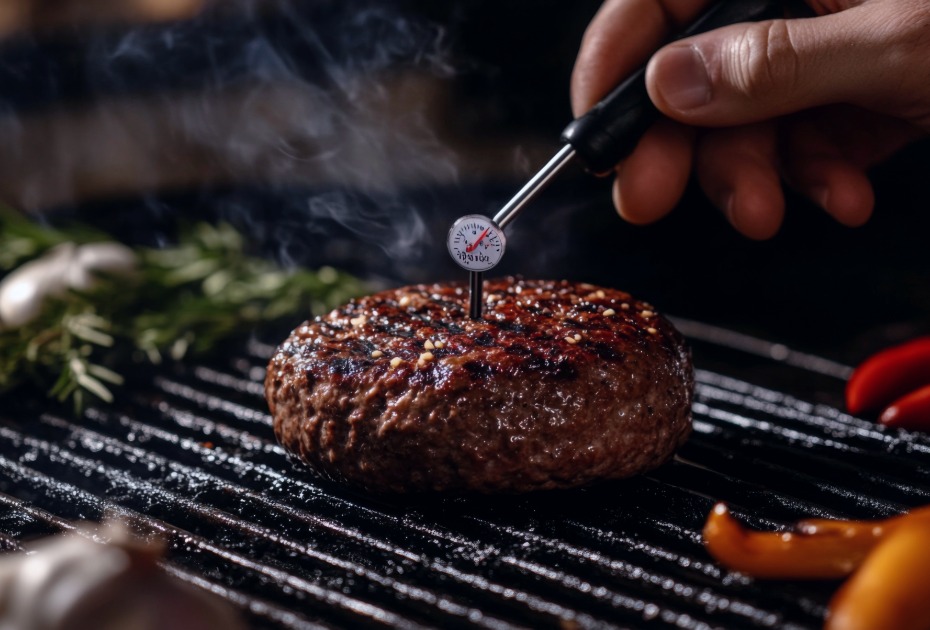
Is a medium rare cheeseburger safe for your customers?
A pink center doesn’t tell you whether a burger is undercooked. Some patties stay pink after reaching a safe temperature, while others brown before they’ve cooked enough. The meat itself, the grill, seasoning, and storage conditions can all affect color.
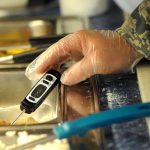
A probe thermometer gives the cook the answer that color can’t. Under Minnesota Food Code, standard cooking options for ground beef include 155°F for 15 seconds, 150°F for one minute, or 145°F for three minutes. If a cook is deciding doneness by appearance alone, they’re guessing.
For a practical refresher, read our guide to using probe thermometers.
When Can a Minnesota Restaurant Serve an Undercooked Burger?
Minnesota Food Code allows a restaurant to serve an undercooked burger when the guest requests or selects it and the required conditions are met. A food establishment serving a highly susceptible population can’t offer an undercooked burger, and an undercooked burger can’t be offered from a children’s menu.
The guest also needs a written consumer advisory. A verbal request at the table doesn’t take the place of that written notice.
If your operation serves young children, older adults, or people with weakened immune systems, review our Minnesota Food Code guide to serving highly susceptible groups.
What a Consumer Advisory Needs to Do
A consumer advisory, as outlined by the Minnesota Department of Health, has two jobs: it identifies the food as raw or undercooked, and it reminds the guest of the foodborne-illness risk.
Make the Menu Language Clear
Your menu can identify a burger as being cooked to order or use an asterisk beside the item. That asterisk should direct the guest to a visible footnote explaining that the item is served raw or undercooked, or may contain raw or undercooked ingredients.
The reminder should tell guests that consuming raw or undercooked meat may increase the risk of foodborne illness. Put it where guests can see it before they order, rather than relying on the server to explain it differently at every table.
See our guide to menu advisories for food safety managers for more examples.
Give Your Team One Consistent Policy
“Would you like a little pink or no pink?” sounds harmless, but it doesn’t give the guest much useful information or give your staff a consistent procedure to follow. “Cooked to order” is clearer, and the consumer advisory provides the required context.
The person in charge should make the restaurant’s policy clear during team training:
- Which burgers may be cooked to order
- Where the consumer advisory appears on the menu
- How servers should handle a guest’s request
- When cooks need to verify standard-cooked burgers with a thermometer
A restaurant can choose to cook every burger to the standard temperature. That’s a valid operational decision. What matters is that the policy stays consistent from the server’s greeting through the final plate check.
A Burger Request Is a Food Safety Decision
The details can move fast during service. A ticket comes in, a cook sees “medium rare,” and a server needs to know if it fits the restaurant’s menu policy.
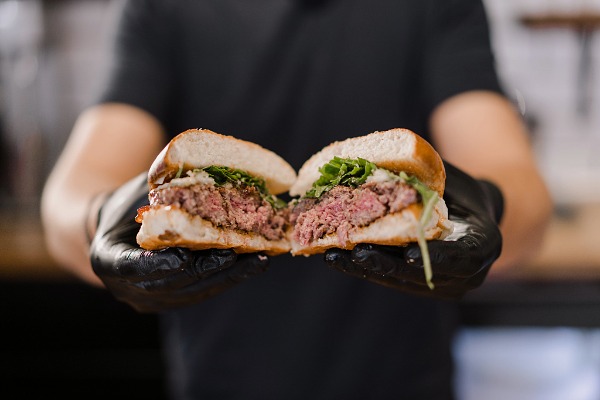
Do you know the rules for medium rare cheeseburgers in Minnesota?
That’s where Certified Food Protection Manager, or CFPM, training comes in. Our food safety certification in MN gives managers and kitchen teams practical knowledge to handle decisions around cooking temperatures, consumer advisories, employee training, and daily oversight.
Frequently Asked Questions
Here are a few quick answers your team can use when a question about medium-rare burgers comes up during service.
Can a customer request a medium-rare cheeseburger in Minnesota?
They can request one, but Minnesota Food Code requires a few conditions to be met first. The restaurant needs a written consumer advisory, and it can’t serve the dish to a highly susceptible population or include it on a children’s menu.
Does an asterisk on the menu count as a consumer advisory?
It can be part of one. The asterisk must direct the guest to a footnote that identifies the item as raw or undercooked and gives the required foodborne-illness reminder.
Can cooks judge burger doneness by color?
No. Use a clean, calibrated probe thermometer to verify temperature and time for burgers cooked to the standard requirement.
Keep Your Food Safety Certification Current
Food Code questions don’t always come from a textbook. They come from the grill, the menu, and the person in charge making real-time decisions. Call us at (952) 210-0195 or email info@safefoodtraining.com with renewal questions. If your certification is coming up for renewal, complete online recertification before it expires to skip the exam, and use code SFT10 for $10 off.