

Know the facts about Boba Balls before serving your customers!
Tapioca pearls are officially Time/Temperature Control for Safety (TCS) foods once you open the bag. Because they come from cassava root, leaving them out at room temperature invites the growth of dangerous bacteria. You must refrigerate cooked boba balls to protect your customers and pass your next health inspection.
The Hidden Risk on Your Prep Line
Picture managing a busy St. Paul drink shop during a summer afternoon rush. You prep a massive batch of boba and leave it ready on the counter. Many vendors treat these chewy additions as shelf-stable all day long, but they aren’t.
Tapioca comes from the cassava root. Cassava is a starchy vegetable. Once you introduce water and heat to cook the pearls, you create the perfect environment for rapid bacterial growth. The main threat here is a bug called Bacillus cereus. This is a spore-forming bacterium commonly associated with “fried rice syndrome.” It survives the boiling process and multiplies incredibly fast if the food sits in the temperature danger zone. The danger zone is any temperature between 41°F and 135°F.
As a ServSafe Instructor and NEHA Registered Trainer, I frequently encounter this specific misunderstanding in my certification classes. Shop owners simply don’t realize the vegetable base makes the pearls highly perishable.
Time and Temp Rules for Tapioca Pearls
You cannot leave cooked boba sitting out at room temperature indefinitely. If cooked tapioca pearls sit in the temperature danger zone for more than 4 hours, you have to throw them out.
Being an Always Food Safe Instructor & Proctor allows me to teach the exact science behind these foodborne illnesses so my students truly understand the risks. The spores from Bacillus cereus produce toxins that cooking won’t destroy.
Cooling your batches quickly and keeping them properly refrigerated is the only way to keep your drinks safe. Plus, teaching a Minnesota Department of Health-approved curriculum means you’re getting the exact safety benchmarks local health inspectors look for during a surprise visit.
Keep Your MN Certification Active
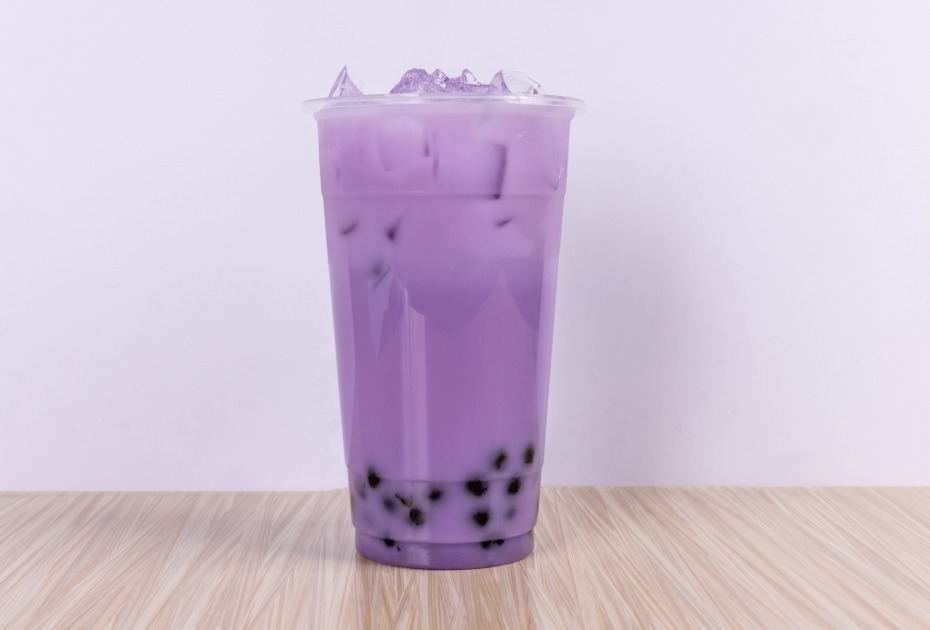
Are you aware of the dangers of boba balls?
Protecting your customers requires staying sharp on the latest food safety protocols. Keeping your training up to date is the easiest way to protect your business. Remember that Minnesota professionals who take this 4-hour refresher before their current 3-year certification expires get to skip the exam completely. Letting it lapse means they must retake the entire 8-hour exam. Don’t let a simple scheduling oversight force you back into a long testing session.
Frequently Asked Questions About Boba Safety
Let’s clear up some common confusion about how to handle these popular drink additions. Here are the top questions I get from local shop owners.
Can I leave uncooked boba balls at room temperature?
Yes, you can store unopened, dry tapioca pearls in a cool pantry. The danger starts once you open the packaging or expose them to heat and water for cooking.
What happens if someone drinks boba contaminated with Bacillus cereus?
Customers who consume these bacteria often experience severe nausea, vomiting, and abdominal cramps. The illness hits quickly, usually within a few hours of drinking the contaminated beverage.
How do I safely cool cooked tapioca pearls?
You should portion large batches into smaller, shallow containers to speed up cooling. Place those containers directly into the refrigerator so they drop below 41°F as quickly as possible.
Let’s Protect Your Customers
Keeping your menu safe doesn’t have to be complicated with the right training partner. Give me a call at (952) 210-0195 or email info@safefoodtraining.com to book your next class. Register today at safefoodtraining.com so we can keep Minnesota dining safe together.

