Fundamentals Of Bare Hand Contact Rules For A CFPM

Fundamentals Of Bare Hand Contact Rules For A CFPM

The current food code clearly states what is acceptable and what is not, but there are certain regulations where there may not be a clear definition of nuances. One such rule that a Certified Food Protection Manager- CFPM must be prepared to enforce is the no bare hand contact rule.

This rule came to the forefront of food safety news earlier this year when California restaurateurs fought to repeal the ban on bare hand contact with ready-to-eat foods. It is important to understand how to properly comply with this rule in our state.

Fundamentals Of Bare Hand Contact Rules For A CFPM

Image credit: Free Images on Pixabay

CFPMs Training for Bare Hand Contact Have Alternatives

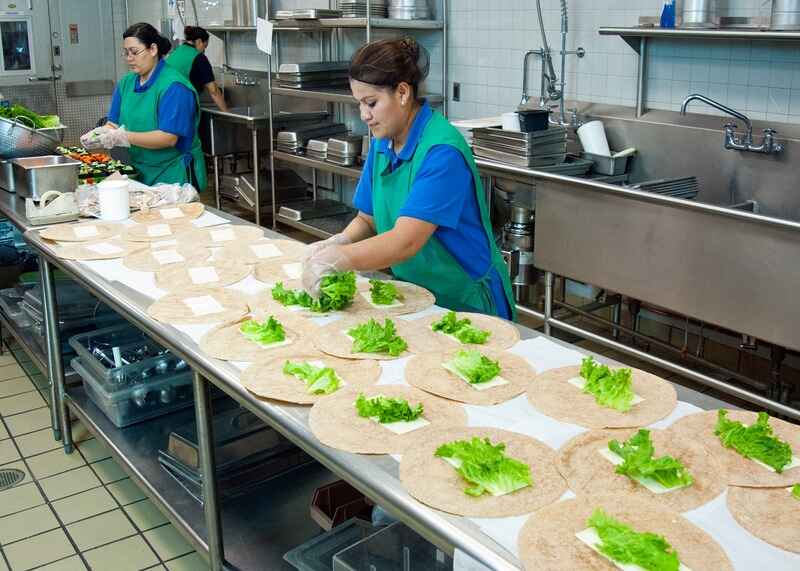
Certified food protection managers can teach several alternatives to handling ready-to-eat food with bare hands.

  • Gloves
  • Tongs
  • Deli tissue
  • Spoons and other utensils

The most common of these options is to require food handlers to use gloves. The most commonly used types of gloves currently used are either latex or vinyl. Due to potential allergies, 5 states have passed legislation to ban the use of latex products in food service and other industries. Expect this trend to continue as other states are sure to follow suit. At present both latex and vinyl gloves are acceptable in MN. However, it is likely that health department inspectors will recommend vinyl at the next visit.

While gloves are preferred, deli tissue can be used at service counters or in situations where constant glove changing would be necessary. Hot foods require the use of utensils.

Since the implementation of the no bare hands rule, the health department has noticed a downward trend in proper hand-washing procedures. A  CFPM needs to provide their employees with proper education concerning no bare hand contact and hand washing. Here are a few points that should be monitored.

  • You must use soap during handwashing
  • Hand washing should take at least 20 seconds
  • Gloves cannot simply change after handling food, employees must wash their hands between glove changes.

These are three simple things that certified food production managers may overlook as glove use increases. Along with the current trend to ban latex, another potential increase in bare hand contact regulations may be to require that gloves be worn at all times whether with ready-to-eat foods, raw foods, or utensils that may come in contact with food products.

A Tremendous Certified Food Manager Guide To Food Waste Control

Food Waste Control and Solutions for the MN Certified Food Manager

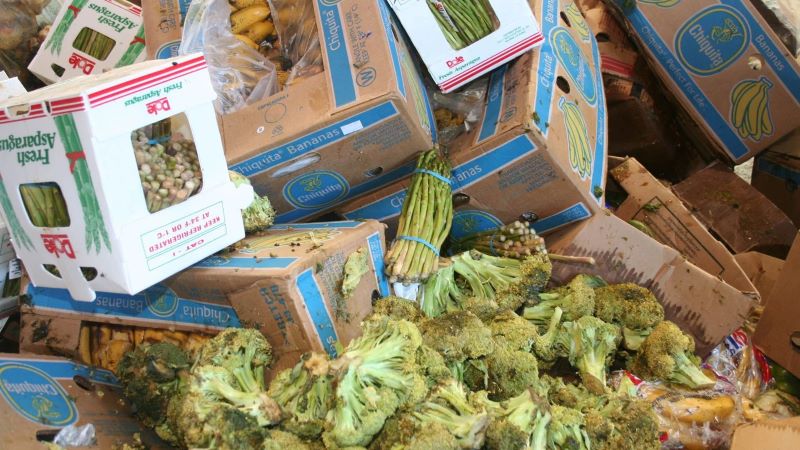
In any food production facility, whether it be a restaurant, industrial production factory or institutional facility, waste is always an issue of concern. A certified Food Manager know that food waste can eat into company profits, take away from other budgeted expenses and increase waste disposal costs. A recent article entitled “Reducing Food Waste Can Improve the Bottom Line and the Environment.” brings up some interesting points concerning this issue.

Certified food manager guide showing a pile of food waste

Image credit: friendsoftheearth.uk

Where Food Waste Comes From

It is usually not difficult to realize that you are wasting food product. You may notice fuller garbage cans and increased food spoilage in storage areas. It is important to discover exactly where your waste is coming from. Here are a few common causes of food waste.

  • Over production of prepared foods
  • Ordering more product than is needed
  • Preparation mistakes
  • Lack of controlled preparation methods

As a MN certified food manager, keeping close tabs of how much food product is order and what you need to prepare will go a long way towards reducing waste. Another key in keeping food waste in check is to have strict standards and procedures when it comes to production. Employees who are unsure of what ingredients need to be assembled, how much of any given food product they need and how to put them all together will generate waste of extra ingredients and over-produced product. A controlled set of procedures will ensure that everything that is produced is consistent and waste free.

What Should We Do With Our Waste?

Even under strict control, waste in the food industry is inevitable. The article we referenced earlier has some creative and useful ways to deal with waste.

  • Donate excess prepared product to charities that feed the needy in your community
  • Reach out to farmers who purchase food waste for animal feed and natural compost
  • Sell used grease and oil to producers of bio-fuels

The last place we want our waste to end up is in a land fill. With some careful planning and creative thinking we can not only reduce our waste, but in some cases generate income from it.

Special Conflict Management Best Practices For Certified Food Managers

Special Conflict Management Best Practices For Certified Food Managers

While you always strive for harmony in the workplace, every once in a while as a manager you will have to deal with employee conflict. This week we’d like to take a look at conflict management in the work place, and how certified food managers can deal with issues as they arise.

Special Conflict Management Best Practices For Certified Food Managers

Copyright: photosvit via 123rf

How a MN Certified Food Protection Manager Deals with Conflict

It’s impossible to completely eliminate employee conflict, especially in stressful environments such as the food industry, but with the right approach a certified food manager can build a staff that not only gets along but enjoys working together. Talking with human resource managers and food service supervisors, we’ve come up with a few common themes concerning conflict resolution.

  • Prevent conflict before it starts
  • Don’t let conflict fester
  • Involve your HR representative

Our first tip may be hard to do sometimes, but there are ways certified food managers can prevent conflicts from occurring. Many conflicts in the workplace arise from individuals’ dissatisfaction with their roles. If a role does not satisfy an employee, they may direct their frustrations towards their fellow employees. If you can identify individuals who are unhappy with their role, you may be able to give them an opportunity express their frustrations to you before they take it out on their coworkers.

The food industry is a stressful place by nature. Another way certified food managers can manage conflict is to keep morale high. This can vary from facility to facility, but there are ways to keep morale high under stressful circumstances. Some ways include social interactions, such as organizing company events that do not involve job duties, or making sure employees can take regular breaks.

Know When To Intervene

Even with the highest morale, it is inevitable that conflict will arise. These are times when a CFPM must decide whether to address the issue or let your employees work things out for themselves. It’s not necessary to intervene in every circumstance, but you must use your best discretion. If there is a conflict that you feel will be detrimental to your operation, you need to address it. Sometimes, letting your staff work things out for themselves will lead to further problems. If there are situations which you feel that you’re unable to handle, it may be necessary to bring in a representative from human resources that has been trained to resolve employee conflict.

We know that there is no cut and dry solution to resolving conflicts among your staff, so we’d like you to leave us a comment as to how you deal with these situations.

Practical Advice For The Newly Promoted Food Manager

Practical Advice For The Newly Promoted Food Manager

Congratulations! You’ve put in your time. You’ve worked your hardest. Now you’ve been rewarded by being promoted to supervisor at your establishment. Your first order of business is to get your MN food manager certification online. Then you’ll be officially ready to take over.

Tips for the Newly Promoted Food Manager

Once the excitement dies down from gaining your first food management position dies down, it will be inevitable that you’ll feel some anxiety during the transition. We have a few suggestions that may help you settle into your recently gained role and responsibilities.

Our first suggestion is to consider that, since this is your first management position. It may not be wise to implement changes right away. Hopefully, your company already has a system in place to assist your food production in continuing to run smoothly and effectively during the transition. It would be acceptable to make adjustments to certain procedures where you see room for improvement. However, completely overhauling the way things operate should not be one of your initial objectives.

Practical Advice For The Newly Promoted Food Manager

Image credit: bowie15 via 123rf

Once you begin your new food manager duties, it’s important to find a comfortable management style. Many newly promoted managers often make the mistake of attempting to run their facility with an authoritarian style. When you assume your new role, it’s important to remember that you can lead your staff by working with them rather than attempting to manage every aspect of their jobs. Most employees perform better when they feel that they are trusted. There are also dangers if you choose to be too lax once you take over your supervisory role. Allowing your staff too much freedom can lead to production problems and the neglect of proper procedure. Our advice is to work closely with your staff and assess who is trustworthy and who needs more supervision.

Mold Your Operation To Reflect Your Managerial Style

As we advised earlier, it may not be appropriate to make huge changes as soon as you assume your new food manager role. However, once you have fully learned the current procedures and regulations and have become a leader of your staff, the time may be right. You can begin molding your operation to reflect your managerial style. When making changes, we suggest you always consult with whoever you report to before proceeding. You may have earned their trust enough to gain your position. However, they may not be comfortable if you make major changes to the way their business works without their consent.

We hear many stories from experienced professionals about their first supervisor job. We’re wondering if any of those seasoned veterans want to share some advice for those who are just now beginning their careers as a certified food manager.